How to Edit Drone Footage: A Simple Workflow for Cinematic Travel Videos
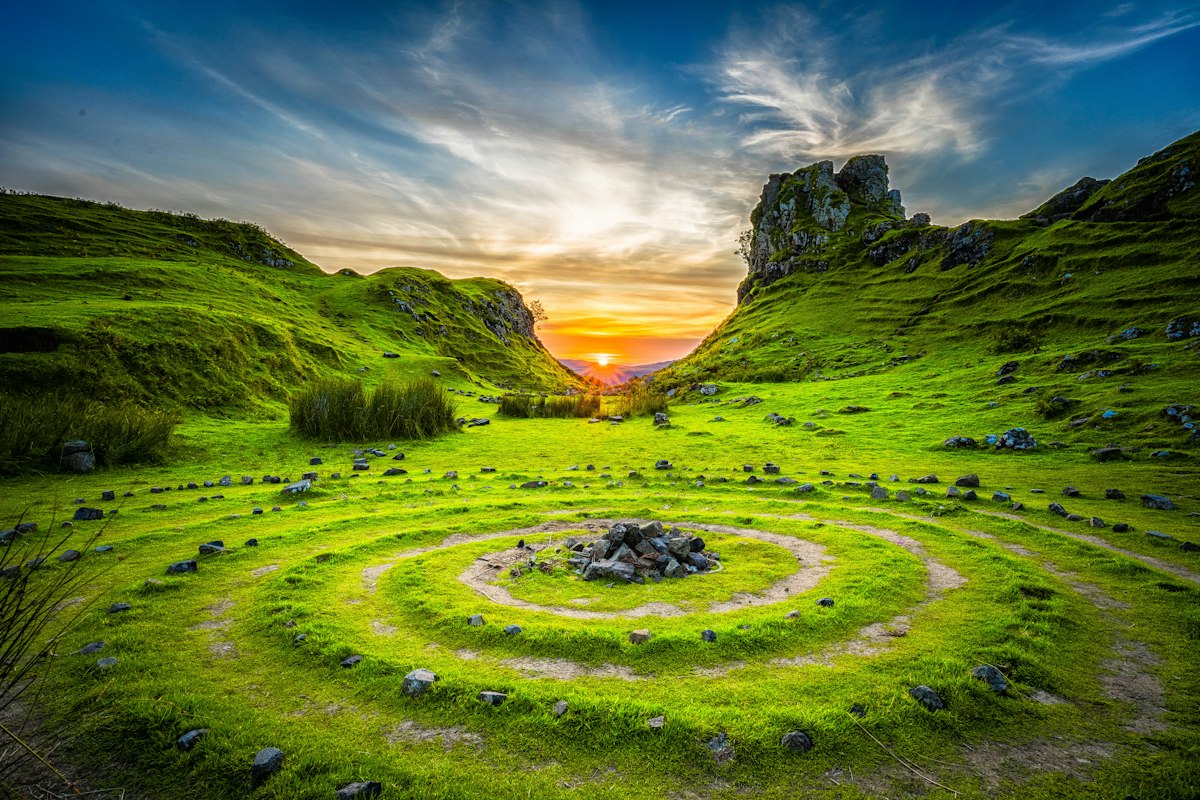
- Primary Signal: How to Edit Drone Footage: A Simple Workflow for Cinematic Travel Videos
- Overview: Great drone footage is made in the edit, not in the air. A simple five-stage workflow — select, structure, cut, colour, sound — turns raw clips into a video worth watching....
- Verification: Analyzed and compiled by FreeSky Aerial editorial monitoring desk.
Anyone can fly a drone and record four minutes of aerial video. Far fewer people can turn that footage into a two-minute video someone actually wants to watch. The difference is not the drone or the location; it is the edit. Raw drone footage is repetitive by nature — long, slow, similar-looking shots — and without structure it bores viewers in seconds. A simple five-stage workflow fixes that: select the best moments, structure them into a story, cut ruthlessly, grade the colour, and finish with sound. It works in any editor, from a phone app to professional software.
Stage One: Select Ruthlessly
Import everything, then watch it once at double speed and mark the moments that make you react — the reveal, the turn, the light breaking through cloud, the boat crossing the frame. Drone pilots typically keep ten to twenty percent of what they shoot, and that is not wasteful; it is the job. A shot that does not earn its place by being beautiful, surprising, or necessary to the story gets cut. Pay attention to the first and last seconds of each clip, because drone shots often start wobbly and end with the pilot repositioning — trim those edges before you judge the middle.
Organise the keepers into a simple structure before you start cutting: an opening shot that establishes the place, a middle that explores it, and a closing shot that ends the journey. A travel video is a short story, not a slideshow, and viewers stay when they sense a direction. If you cannot describe your video's structure in one sentence — we arrive at the coast, fly the cliffs, and end on the sunset — the structure needs work before the edit does.
Stage Two and Three: Cut for Pace, Then Colour
Cutting is where most drone videos fail, because pilots fall in love with long shots. A single aerial shot rarely needs more than five to eight seconds on screen, and a sequence of shots should change angle, altitude, or direction every few seconds — high to low, wide to close, moving left to moving right. That variety is what keeps the eye engaged. Cut on movement where possible: end one shot as the drone turns and start the next as it moves, so the video flows instead of jumping. And remove every second that does not add information or beauty, even if you loved flying it.
Colour grading comes next, and for drone footage it is mostly about consistency. Footage shot across a day will vary in warmth and exposure, so match the clips to each other before applying a look. If you shot in a flat or log profile, apply the manufacturer's correction first, then adjust exposure, contrast, and saturation gently — the goal is footage that looks like the place felt, not like a filter. Avoid the common beginner error of pushing saturation to the maximum; aerial footage already has strong colour, and restraint looks more professional than excess.
Stage Four and Five: Sound and Export
Sound is half the video, and drone footage has no usable audio of its own — just propeller noise. Music carries the emotion, so choose it before you finish cutting, not after: cut to the beat, let a swell in the music land on a reveal, and let a quiet passage sit under a slow shot. Add natural sound where you have it — waves, wind, a market — at low volume under the music, because it grounds the aerial view in a real place. Keep the audio levels consistent, and never let the music drown the moment.
Export at the highest quality your delivery platform supports, usually 4K if you shot it, with a sensible bitrate — over-compressing throws away the detail you flew to capture. Watch the export once all the way through on a different screen, ideally a phone, because that is how most people will see it. If anything bores you on the second viewing, cut it. The final test is simple: would you watch this video if someone else had made it? If the answer is yes, it is ready to share.
Frequently Asked Questions
Q: What is the best software for editing drone footage?
A: The best is the one you will actually learn. CapCut and DaVinci Resolve's free version cover most needs; professionals use Premiere Pro or Final Cut. Start free and upgrade when you hit a real limit.
Q: How long should a drone travel video be?
A: Two to three minutes is the sweet spot for most trips. Shorter feels thin, longer needs a real story to sustain it.
Q: Should I shoot drone video in log or normal colour?
A: Log gives more flexibility in grading but needs work in the edit. Normal colour is fine for quick social videos; log is worth it when the footage matters.
📖 Continue Reading the Full Story
Continue reading this article on FreeSky Aerial.
⚡ Access Full Content NowMore from FreeSky Aerial

 🤖 WinBar AI
Twitter Video Downloader: Save Videos and GIFs
Download Twitter/X videos and GIFs in MP4 format. Free, fast, no account needed — works on all devices....
 ☁️ FreeSky Cloud
Cloud Free Tier Changes in 2026: What AWS and Oracle Quietly Cut
Two of the biggest free tiers changed in 2026 without much noise: AWS replaced its twelve-month free tier with...
 🔭 FreeSky Cosmos
What Planets Are Visible Tonight in November 2026? A Simple Evening and Morning Guide
Saturn rules the evening sky while Venus, Jupiter and Mars greet early risers in November 2026 — here is exact...
 🗺️ FreeSky GeoData
What Is Remote Sensing? A Simple Guide for GIS Beginners
Remote sensing is how satellites and drones measure the Earth without touching it. This beginner guide explain...