Can You Fly a Drone in a National Park? The Rules, Explained

- Primary Signal: Can You Fly a Drone in a National Park? The Rules, Explained
- Overview: National parks have some of the most beautiful landscapes on Earth — and some of the strictest drone rules. Here is where you can and cannot fly, and the legal alternatives....
- Verification: Analyzed and compiled by FreeSky Aerial editorial monitoring desk.
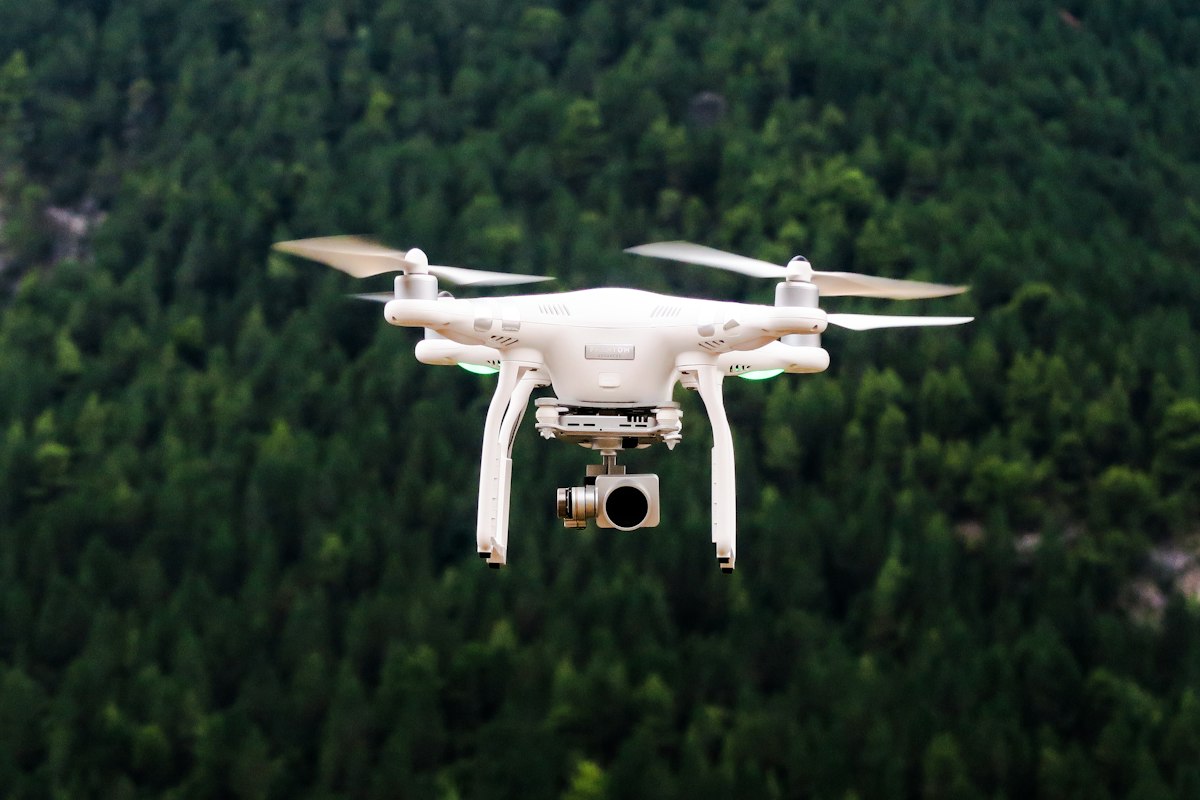
A drone pilot arriving at a national park faces a frustrating paradox: the landscapes that most deserve an aerial photo are the ones where flying is most restricted. Cliffs, waterfalls, wildlife, and vast open valleys all look extraordinary from the air, and all of them sit inside rules written to protect the park, its animals, and other visitors. The rules differ by country, and they are widely misunderstood — including by pilots who assume a small drone or a quick flight does not count. It does, and the penalties for getting it wrong can be serious.
The United States: A Near-Total Ban on Launching Inside Parks
In the United States, the National Park Service prohibits launching, landing, and operating drones within park boundaries, under a policy that has been in force since 2014. The ban covers all 400-plus park units, from Yellowstone to the smallest historic site, and it applies to recreational and commercial pilots alike. The reasoning is practical: drones disturb wildlife, annoy other visitors, and have crashed into sensitive features — including, famously, a drone that fell into a Yellowstone hot spring. Violations can bring fines and confiscation of the aircraft.
There is one widely misunderstood grey area: the ban covers launching and landing inside the park, and operating from within it. Flying over park land from a launch point outside the boundary is a different question, and the FAA, which controls the airspace, has not banned it outright. That does not make it a good idea — park rangers can still act if the flight disturbs wildlife or visitors, and many parks sit under additional airspace restrictions — but it explains why you sometimes see aerial footage of parks that was captured legally from outside. Check the specific park's rules and the airspace before assuming anything.
The UK, Europe and Australia
The UK position is simpler in form but similar in effect: the Civil Aviation Authority's drone rules apply everywhere, and individual park authorities and landowners control take-off and landing. Most national park authorities in the UK ask pilots not to fly, and many byelaws prohibit it, particularly where wildlife or livestock is concerned. In the EU, national parks are usually covered by additional nature protection rules, and several countries require a permit for any drone flight inside a protected area. Australia is the strictest of all in practice: most states ban drones in national parks outright, or require a permit that is rarely granted for recreational use.
The common thread across all of these is wildlife. Nesting birds, grazing animals, and marine life are all easily disturbed by a drone's noise and presence, and parks exist to protect them. A pilot who flies anyway, even briefly, can scatter a nesting colony or stampede animals — damage that lasts far longer than the flight. That is why rangers treat drone violations seriously, and why other visitors are quick to report them.
Legal Ways to Get the Shot
The first alternative is to fly from outside the boundary where the rules allow it, capturing the landscape from the edge rather than from above its heart. The second is to apply for a permit: parks do grant them for commercial filming, research, and conservation work, with conditions on timing, altitude, and wildlife avoidance. The application takes time and is rarely granted for casual photography, but for a genuine project it is the correct route. The third is to use the park's own imagery — many parks publish aerial photography and video, and some run licensed drone operators whose footage is available.
The simplest alternative is to put the drone away and enjoy the park the way it was designed to be enjoyed: on foot, at ground level, with a camera. Some of the best landscape photography in the world was made without a drone, and a park visit that ends with a good hike and a few strong ground-level photos is a better day than one that ends with a fine and a confiscated aircraft. Save the drone for the landscapes outside the boundary, where it is welcome.
Frequently Asked Questions
Q: Can I fly a sub-250g drone in a national park?
A: No, in most cases. The US National Park Service ban applies regardless of weight, and most other countries' park rules do too. Small size does not exempt you.
Q: What is the fine for flying a drone in a national park?
A: It varies by country and by the offence, but in the US, violations of park rules can bring fines running into thousands of dollars, plus confiscation of the drone.
Q: Can I get a permit to fly in a national park?
A: Sometimes, for commercial filming, research, or conservation work. Apply to the park authority well in advance and expect conditions on when and where you can fly.
📖 Continue Reading the Full Story
Continue reading this article on FreeSky Aerial.
⚡ Access Full Content NowMore from FreeSky Aerial

 ⚡ CyberTech 568
Step-by-Step Tutorial: Playback Speed Calculator — Video Time at Any Speed (Day 2 Guide)
How to accurately use the Playback Speed Calculator — Video Time at Any Speed on CyberTech 568. Discover essen...
🤖 WinBar AI
Step-by-Step Tutorial: YouTube Thumbnail Downloader & Grabber — 4K (Day 2 Guide)
How to accurately use the YouTube Thumbnail Downloader & Grabber — 4K on WinBar AI. Discover essential practic...
 ☁️ FreeSky Cloud
Homelab Starter Guide 2026: Build Your First Home Server for Under $300
You do not need a rack of enterprise hardware to start a homelab. A used mini PC, a few free services, and one...
 🔭 FreeSky Cosmos
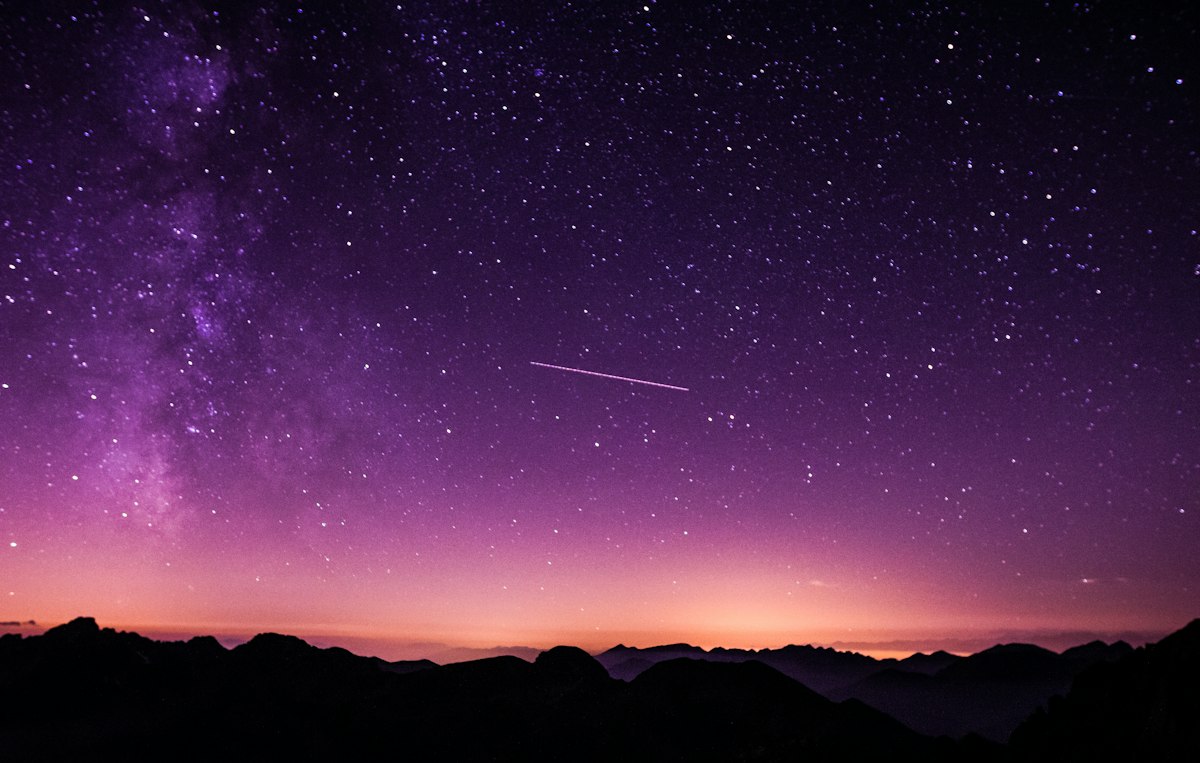
How to Find the Orion Nebula With Binoculars: A Beginner's Winter Guide
The Orion Nebula is the brightest nebula in the sky and one of the easiest deep-sky objects for a beginner. Al...