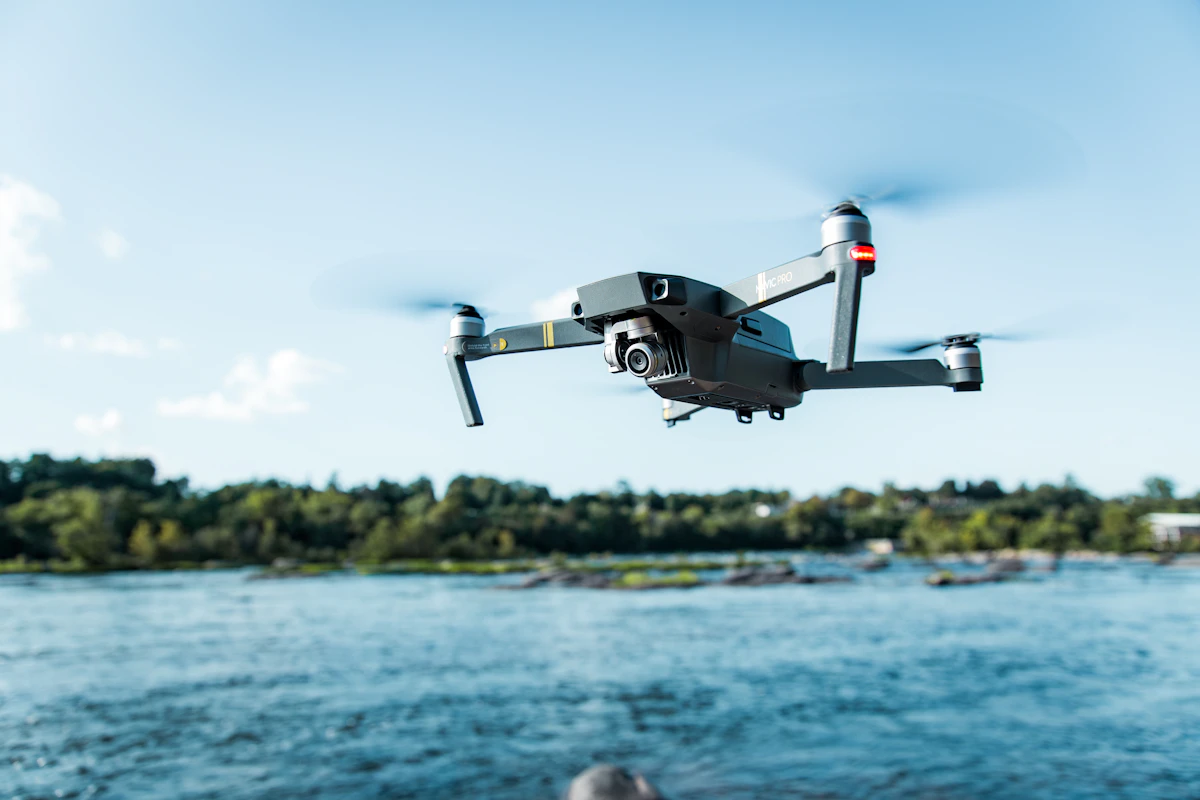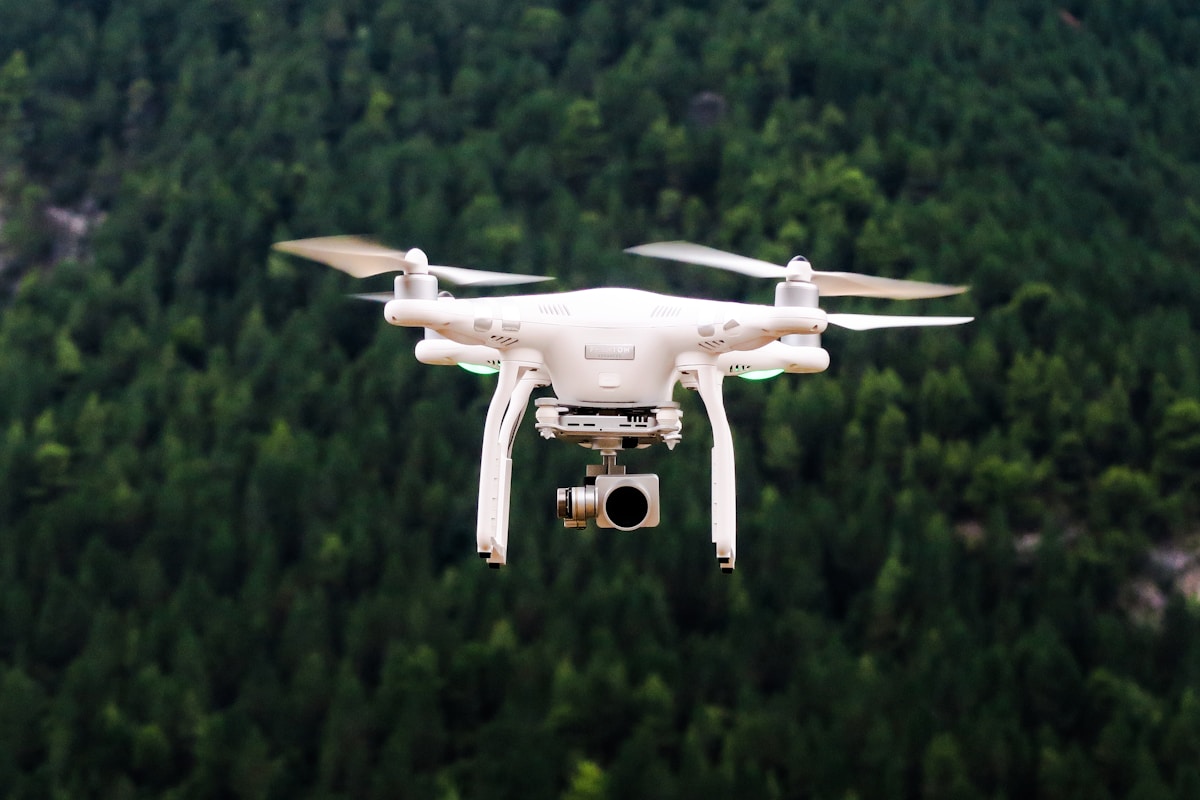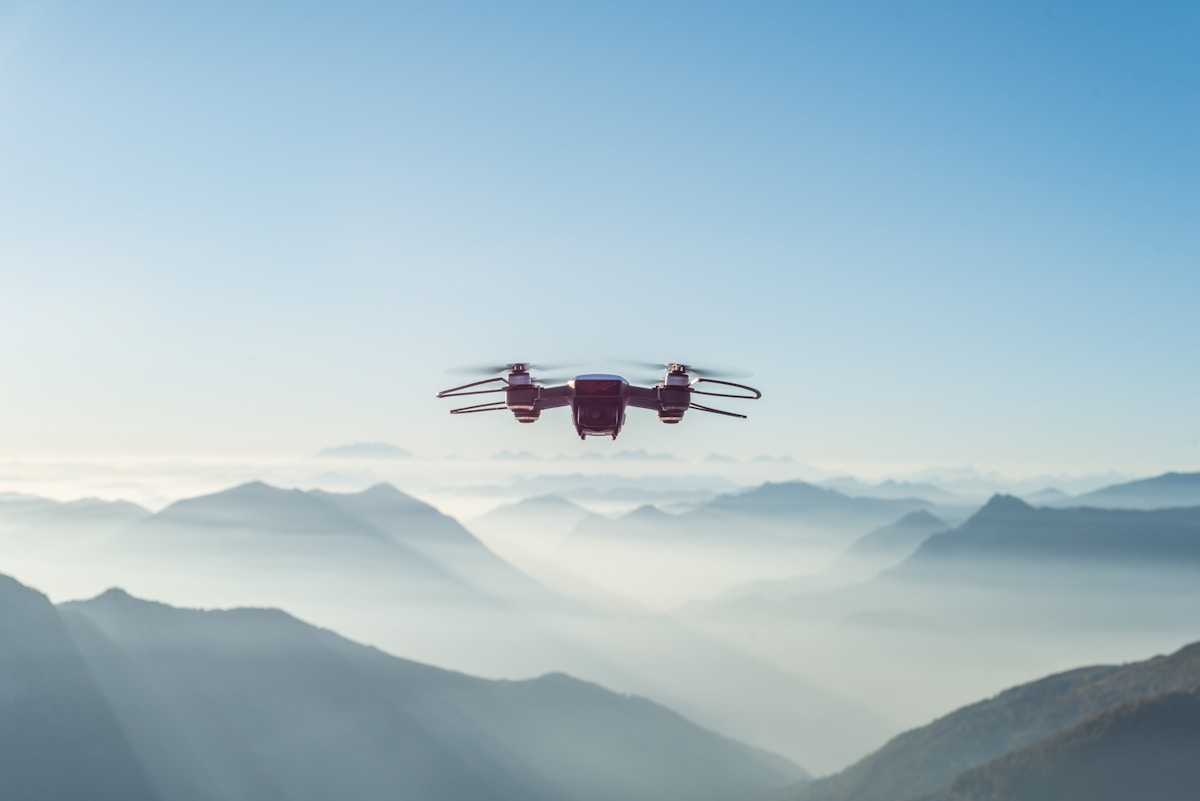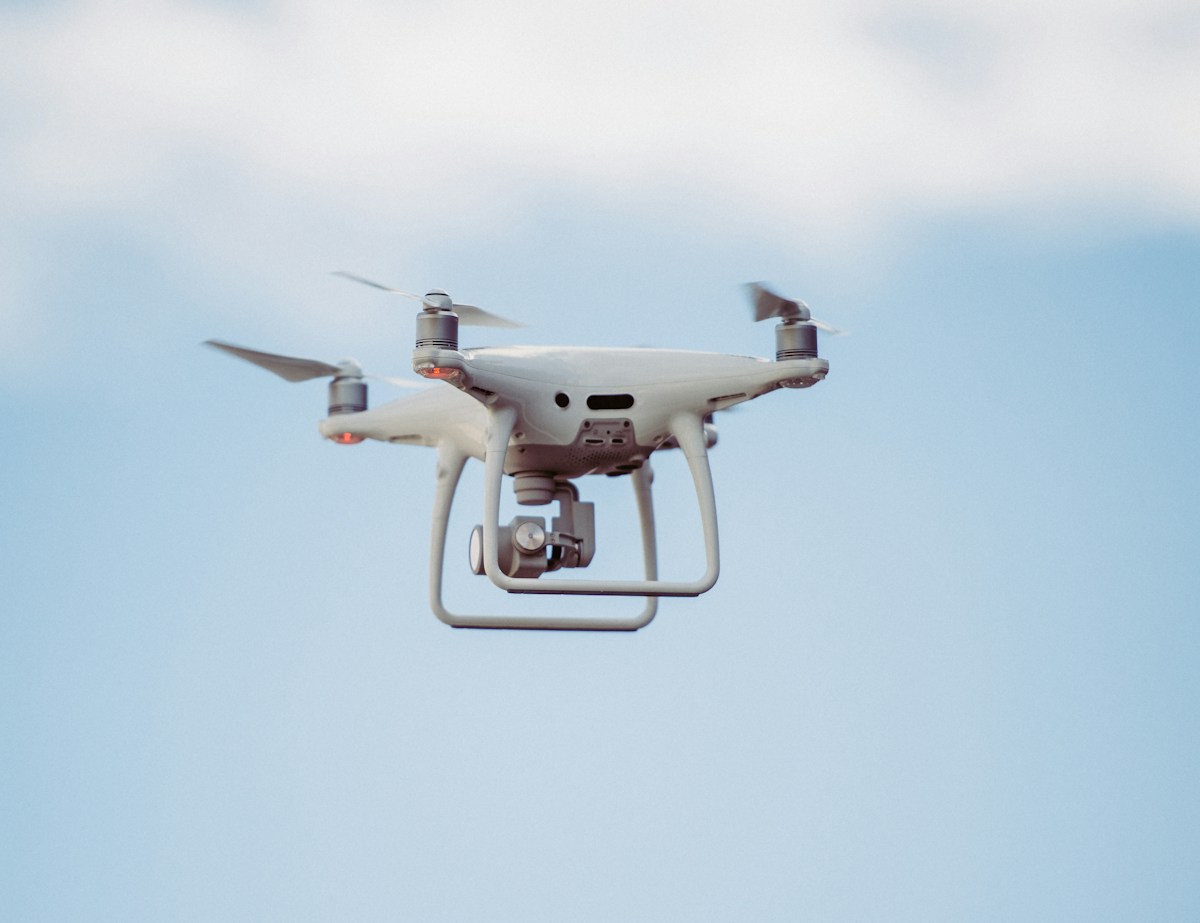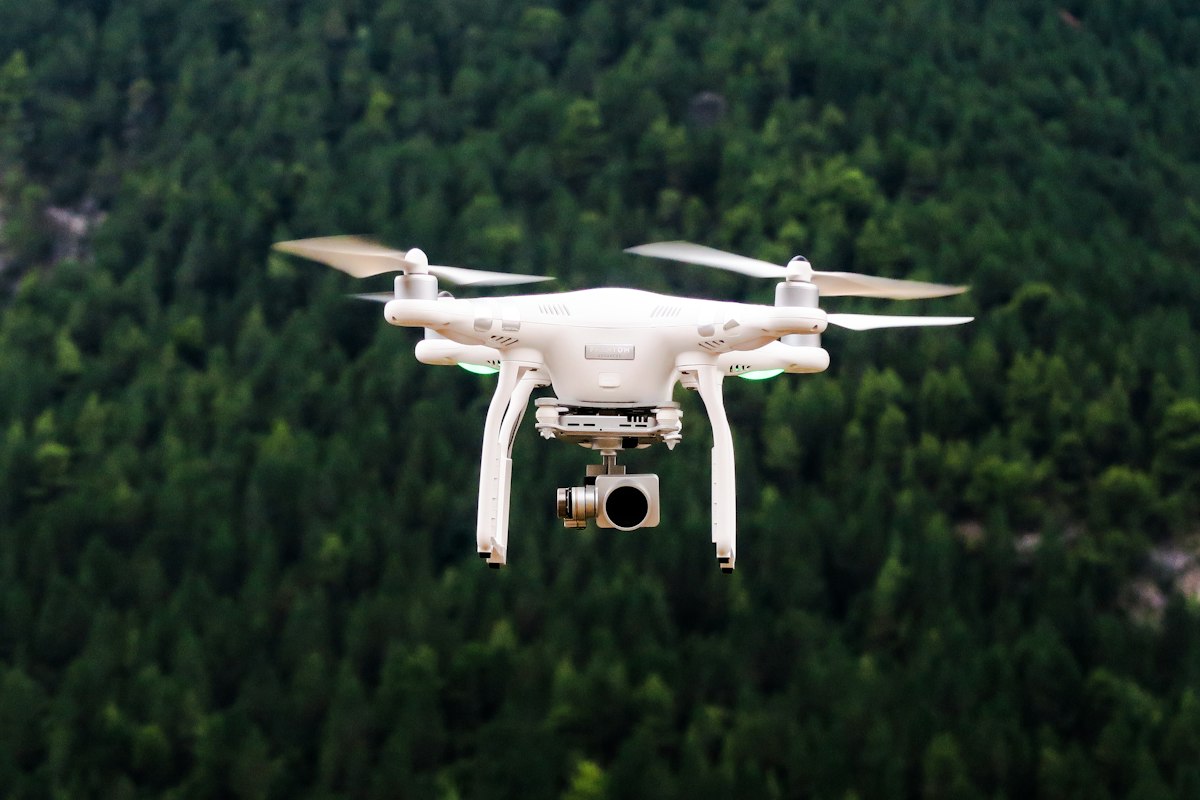
Your first drone flight should be boring, and that is a compliment. This step-by-step plan covers rules, checks, and a short practice routine that gets you airborne safely without a crash story.
Archive: 2026
284 stories published in 2026
It is not about mood or saving electricity. Dimming the cabin lights is a safety procedure that prepares your eyes for an emergency evacuation in the dark.
Jet lag is not tiredness from a long flight. It is your body clock disagreeing with the local clock, and recovery is faster when you work with that clock instead of fighting it.
Propeller guards protect people and propellers, but they also add weight and catch wind. Here is when to fly with them, when they hurt performance, and when to take them off.
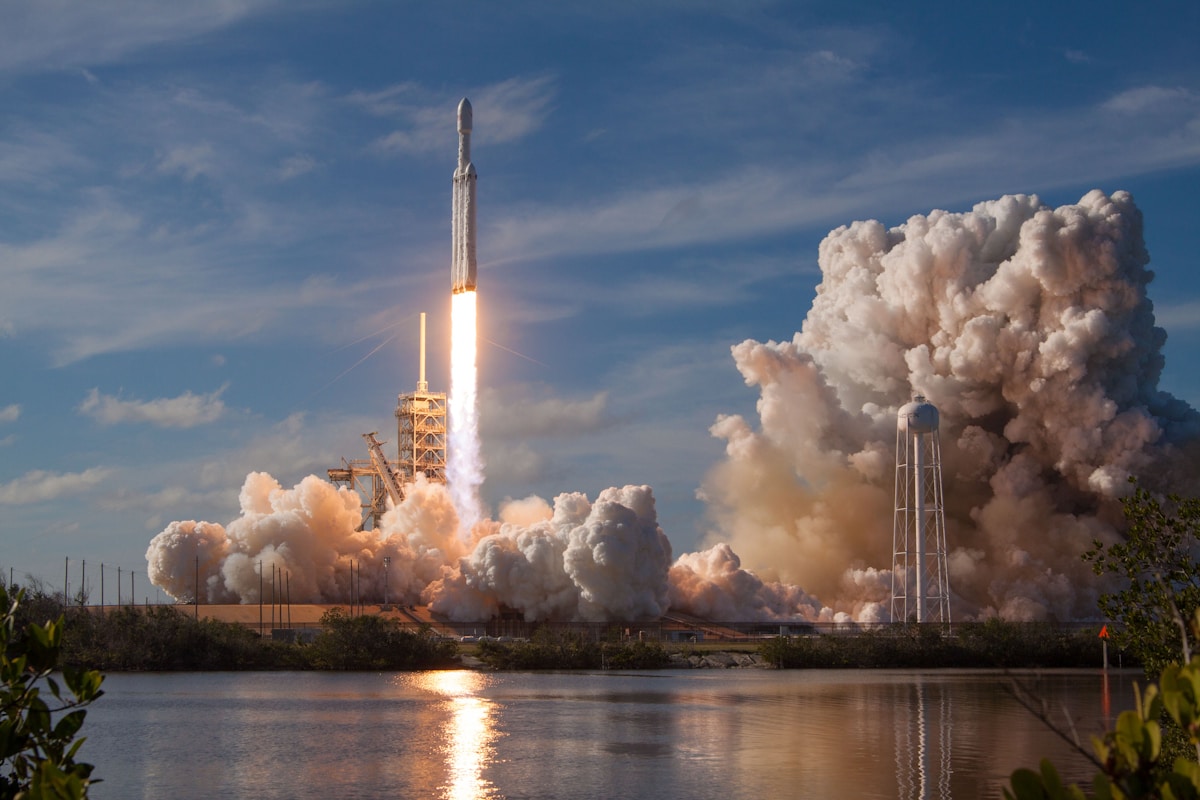
Launching near the equator gives a rocket a free push from Earth's rotation, up to hundreds of metres per second. That free speed is why the world's major spaceports hug low latitudes.
Yes, in most cases you can fly with a drone, but the batteries decide how. Here are the carry-on rules, battery limits, and packing steps that keep your drone and your trip safe.
Pilots do not land in fog by peering harder through the windscreen. They follow instrument procedures, use precision guidance, and hand over to autoland when visibility drops below strict limits.
Updating firmware at the field wastes flying time and risks a failed update with no Wi-Fi to fix it. Do it at home, test it, and arrive ready to fly.
Most lost luggage is not lost at all. It is delayed, misrouted, or sitting in a warehouse waiting for a barcode match. Here is how the recovery system actually works, and what to do when your bag goes missing.
Seat pitch is not an accident or a punishment. It is the result of airline economics, where a few extra rows per plane decide whether a route makes money at the fares passengers will actually pay.
Most consumer drones fly for about 25 to 35 minutes on one battery in advertised conditions, but a realistic plan should use about 22 minutes of usable flight from a 34-minute advertised battery after real-world losses and a landing reserve.
Flying a drone near an airport is legal only with the right authorization. This guide explains controlled airspace, LAANC approvals and the checks to run before every flight.
Sub-250g drones skip registration in many countries and fit in a jacket pocket. Here is how the leading travel drones compare on camera, wind handling and real-world usability.
Jet lag hits harder flying east than west, and the fix starts before takeoff. This guide gives a day-by-day plan for shifting your body clock, sleeping on the plane and recovering fast.
ND filters cut light so your drone can use cinematic shutter speeds in bright conditions. This guide explains ND numbers, when each strength fits, and the mistakes beginners make.
Turbulence feels alarming but rarely threatens the aircraft. This explainer covers clear-air, thermal and mountain-wave turbulence, and the tools pilots use to avoid it.
Packing a drone for a flight is about batteries first and cameras second. This guide covers lithium battery rules, carry-on packing, cases and the customs checks to expect.
Seeing a launch live is about location, timing and patience. This guide covers the best public viewing areas, scrub delays, sound delay and what to bring.
Cold weather can cut drone flight time sharply because lithium batteries lose performance in the cold. This guide explains pre-warming, storage and safe winter flying habits.
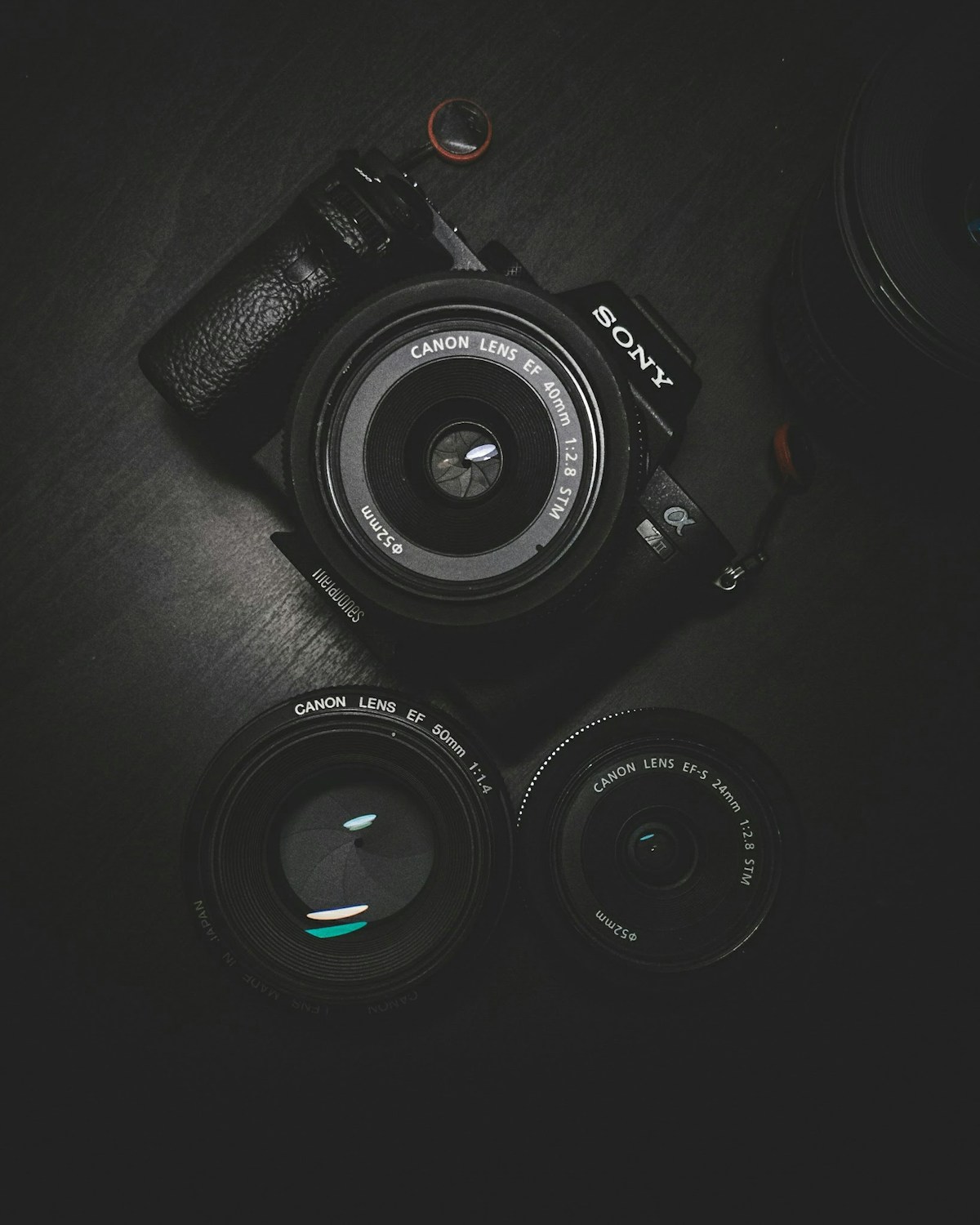
Camera gear is safest in the cabin, but cabin space is limited. This guide covers packing order, weight limits, lens protection and the security screening routine.
Error fares are airline pricing mistakes that sell $1,000 flights for $150. They vanish within hours, so catching one is about alerts and speed, not luck.
Three sub-250g drones dominate travel photography in 2026, from the $299 Mini 4K to the 1-inch-sensor Mini 5 Pro. Here is which one earns its place in your bag.
Your US drone rules do not travel with you. The UK, Australia, and Canada each have their own registration, distance, and airport rules, and the differences catch travellers out.
The 100ml rule is changing at some airports and not at others. Here is what the carry-on liquid rules actually are in 2026, airport by airport, and how to pack so you never lose a bottle.