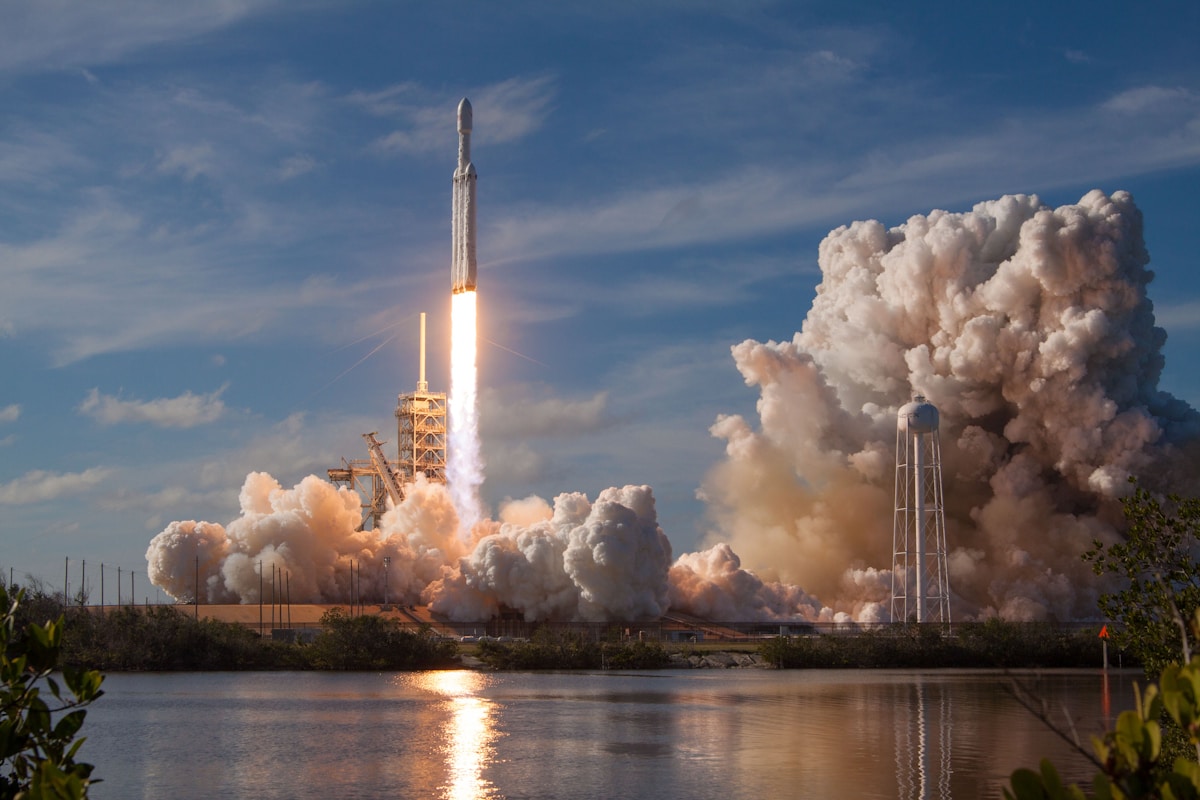
How Rocket Launch Stages Work: Why Rockets Drop Pieces on Purpose
Rockets shed parts as they climb — and that is the whole point. Learn how staging works, why it saves fuel, and how reusable boosters changed the game.
284 stories published in 2026
Rockets shed parts as they climb — and that is the whole point. Learn how staging works, why it saves fuel, and how reusable boosters changed the game.
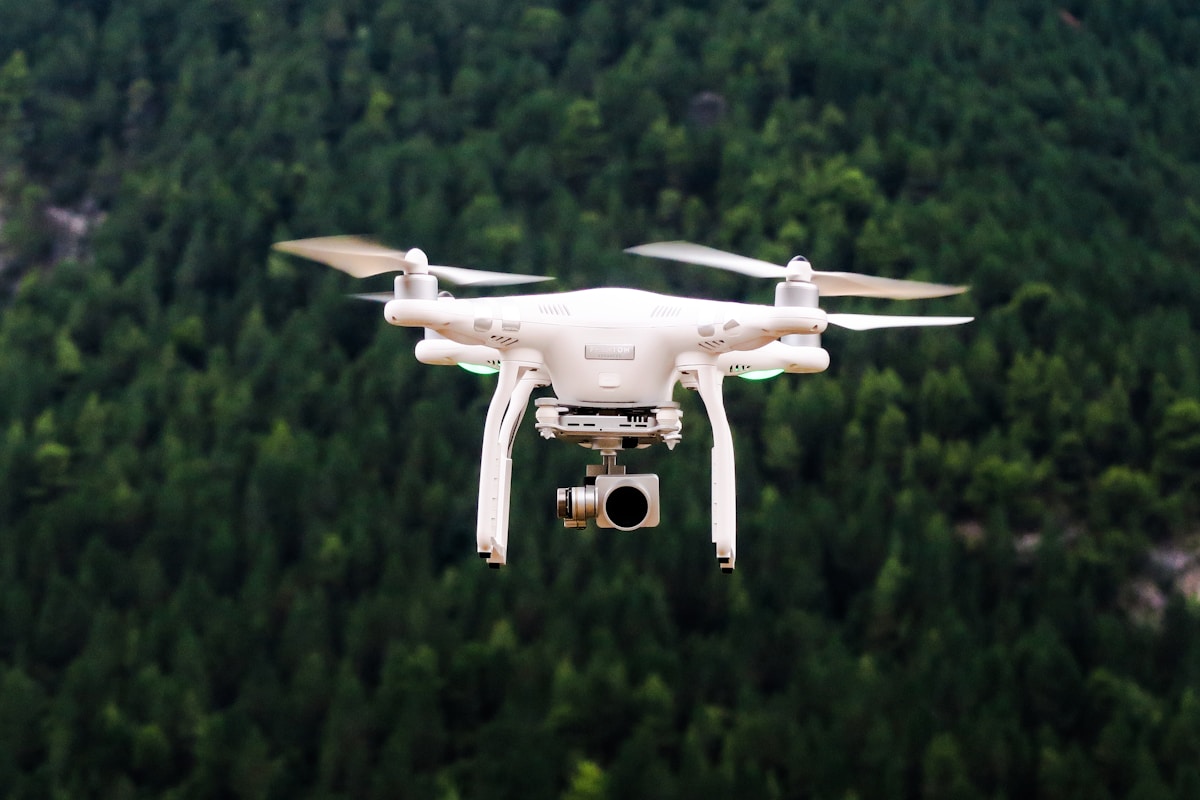
Shaky drone footage is usually a calibration problem, not a broken drone. Run through gimbal calibration, balance checks, and the settings that restore smooth video.

About $786M in stablecoins was swapped into ETH and TRX before issuer freezes, a first move the freezes could not reverse.
Rules vary by country, but the pattern is consistent: register if required, learn the basic limits, and fly where you are allowed. A short checklist before your first flight prevents fines, confiscation and awkward conversations with neighbours or officials.
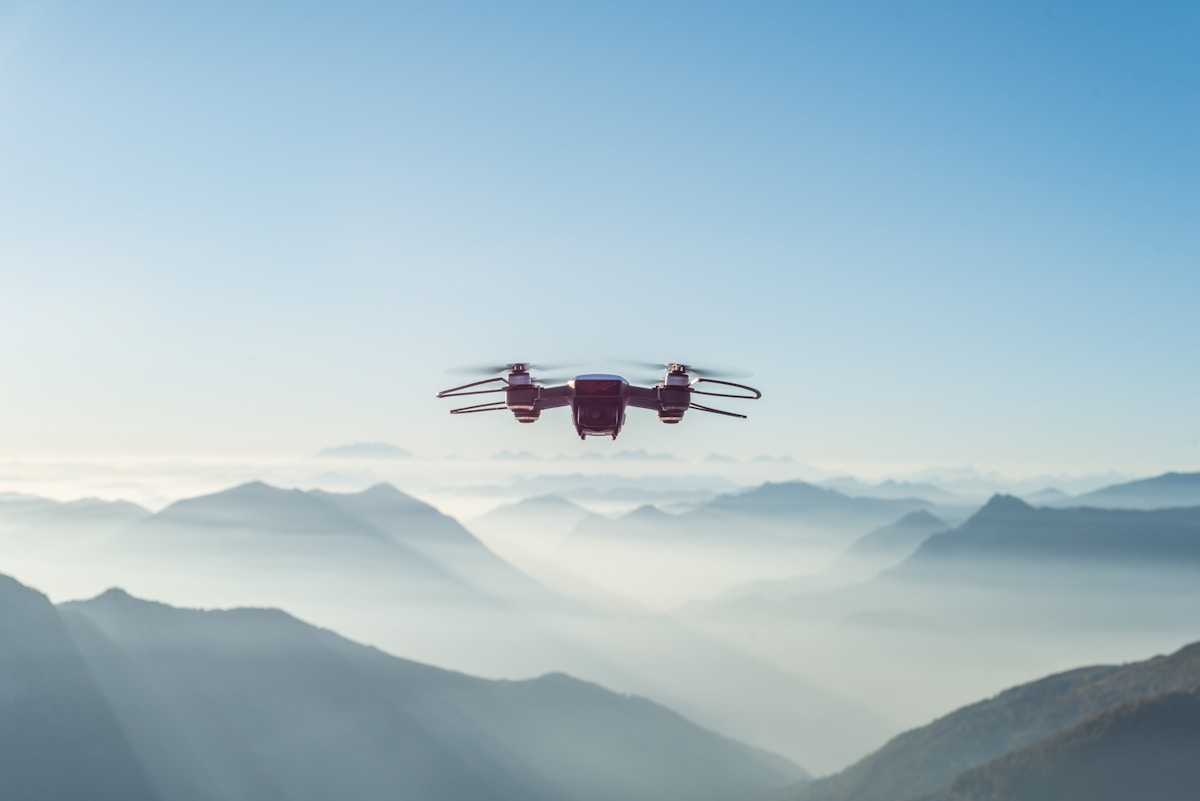
Neutral density filters are sunglasses for your drone camera. They cut light so you can keep a cinematic shutter speed on bright days, and choosing the right strength is mostly about matching the filter to the sunlight in front of you.
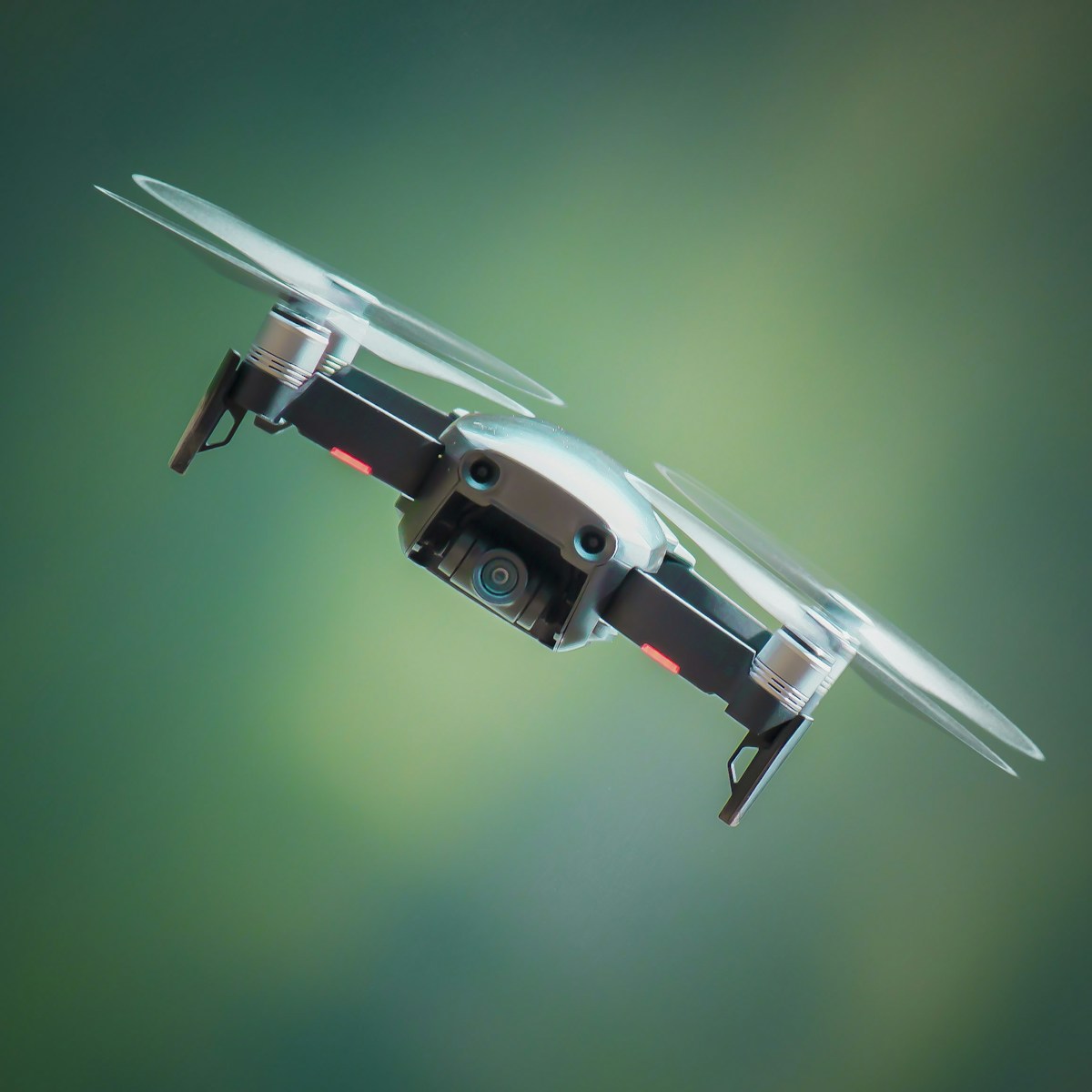
Cold batteries deliver less power and lose charge faster, which can shorten flights and trigger sudden warnings. Warming, planning and landing early turn winter flying from a risk into a routine you can manage with a little extra care.
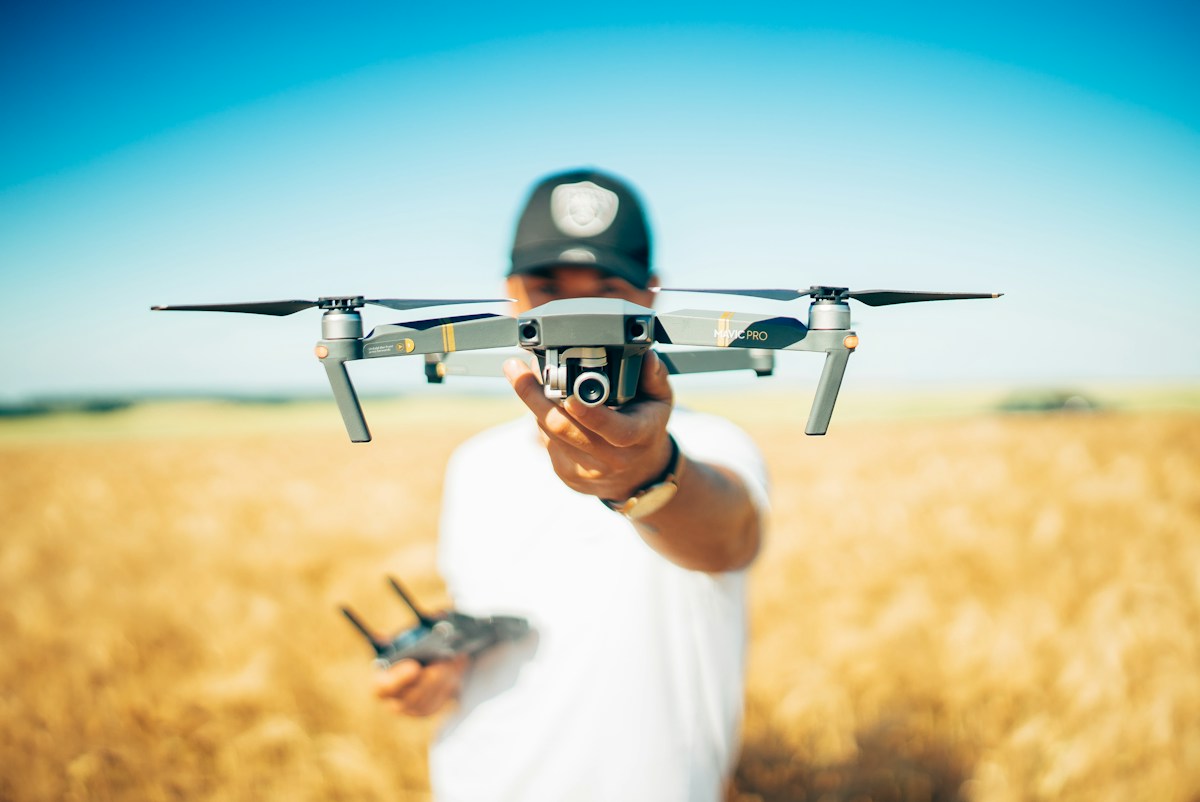
The best drone shots are planned, not discovered by luck in the air. Scouting on satellite maps lets you find viewpoints, check access and sunlight, and build a shot list so your limited battery time goes to flying, not searching.
Wind is the most underestimated drone risk because it feels calm on the ground and strong at altitude. Knowing your drone's rated limit, reading gusts not averages, and landing early keeps a breezy day from becoming a lost drone.

A rocket landing looks like science fiction until you break it into stages: separate, flip, slow down with engine burns, steer with fins, and touch down on legs. Each step is a controlled trade of speed for precision, rehearsed thousands of times in simulation.

Traditional satellite internet used a few satellites very far away, which meant noticeable delay. Modern constellations use thousands of satellites much closer to Earth, handing your connection from one satellite to the next as they pass overhead.
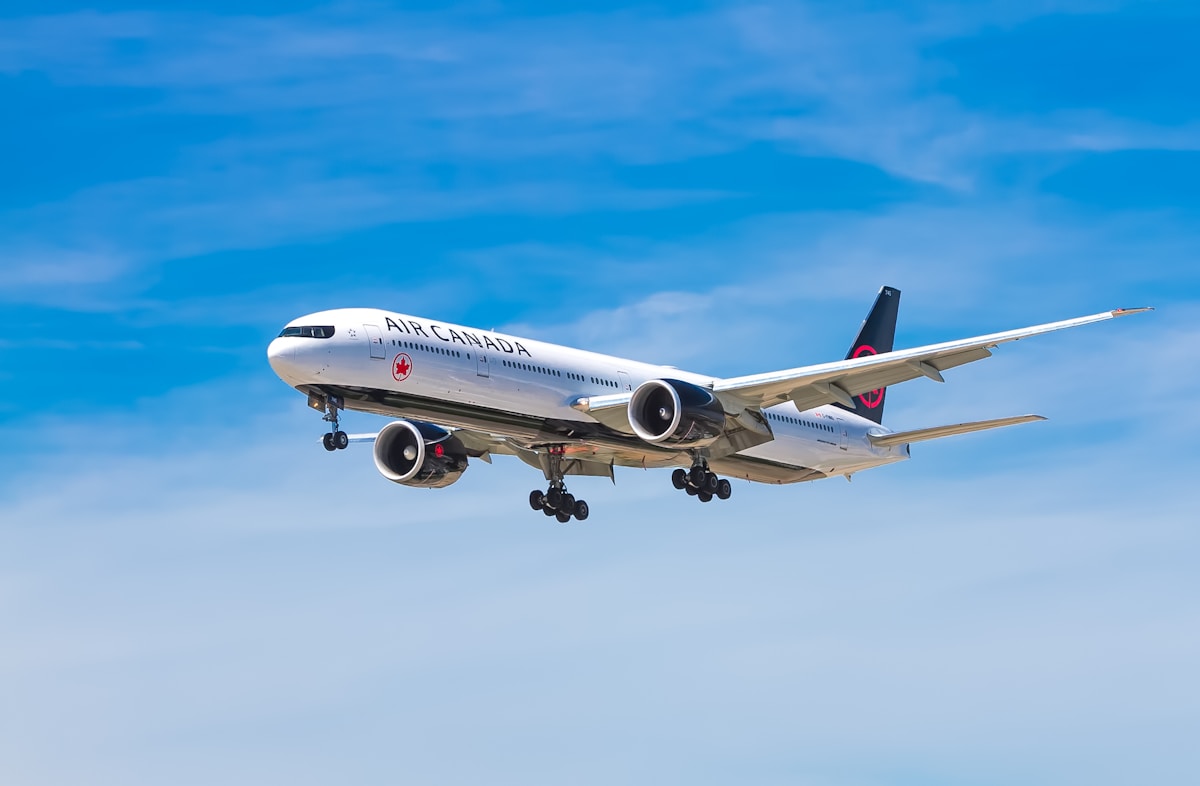
Drone mapping does not need a surveyor's licence to learn, but it does need overlap, steady flight and honest expectations. Fly a grid, photograph the same ground from many angles, and software stitches those photos into a map or 3D model.
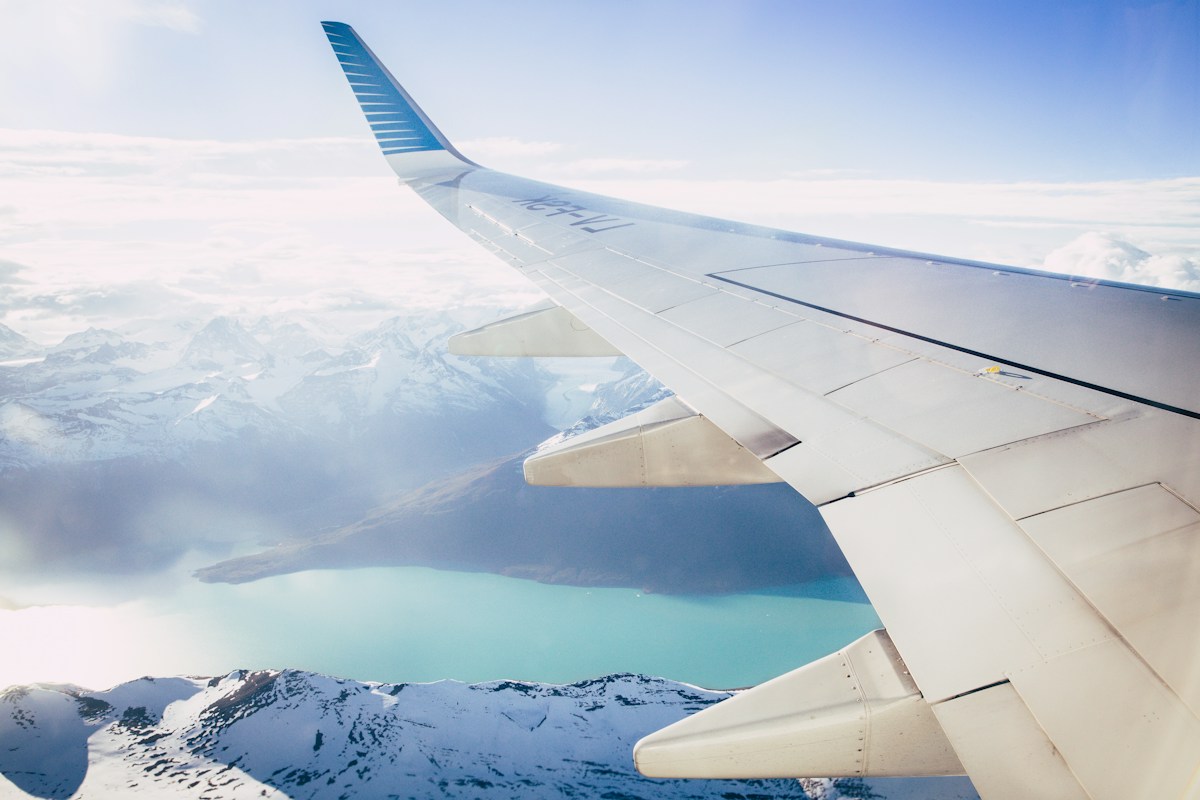
Landing looks smooth from the cabin because a chain of controllers hands the plane from one sector to the next, spacing arrivals and clearing each step. Pilots fly the approach, controllers manage the traffic around them, and both follow the same published procedures.
Boarding back to front looks slow, yet airlines keep doing it. The real reasons involve aisle traffic, overhead bin space, and the physics of getting two hundred tired strangers seated without gridlock.
In the United States a beginner drone may fly up to 400 feet above the ground directly below it. The limit is measured from the terrain under the drone, not from where you took off — and that distinction changes what your controller shows.
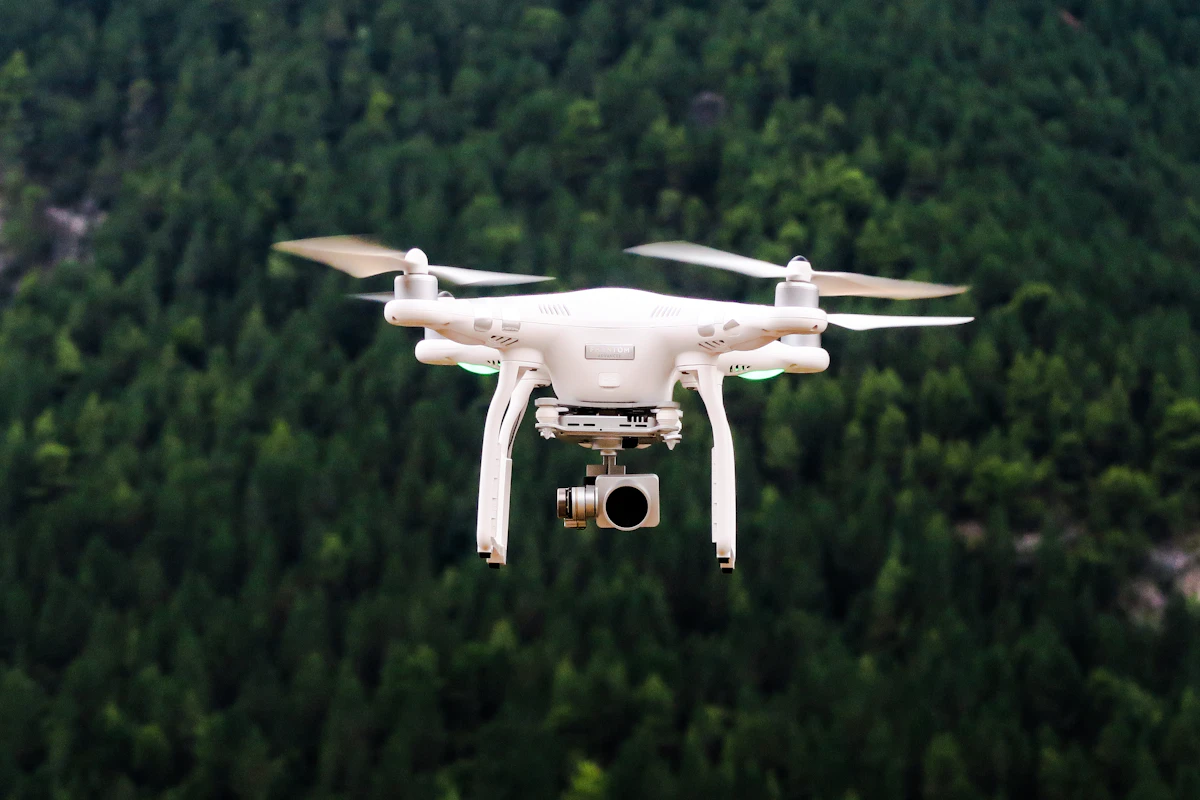
Get sharp drone photos every time: the right ISO, shutter speed, and ND filter choices for daylight, golden hour, and bright snow or water.

Coastal drone shots are stunning and risky: learn the water-specific checks, return-to-home settings, and wind rules that prevent a splash.
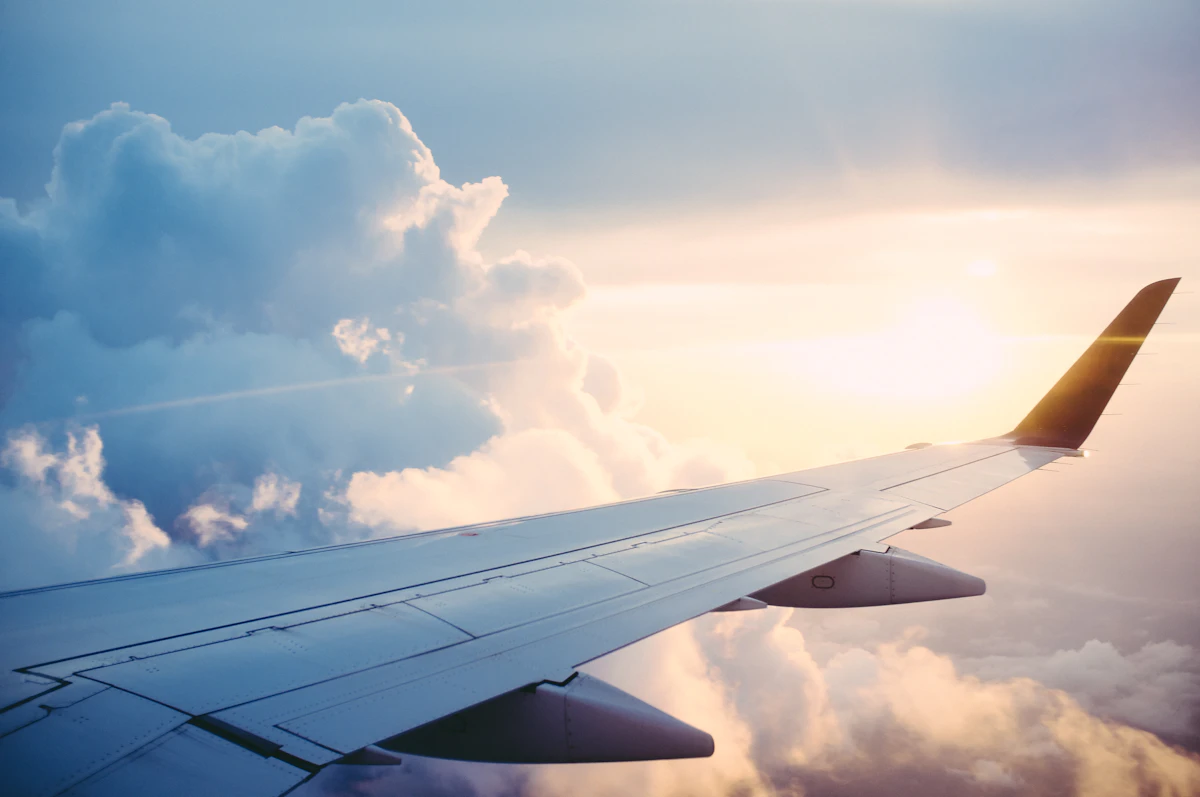
One delayed plane can delay five more: how the knock-on effect, crew limits, and weather ripple through an airline's whole day.

A calm, step-by-step plan for a missed connection: rebooking, hotels, meals, and what to ask the airline before you leave the gate.

What turbulence actually is, why pilots are rarely worried by it, and what you can do to feel safer during a bumpy flight.
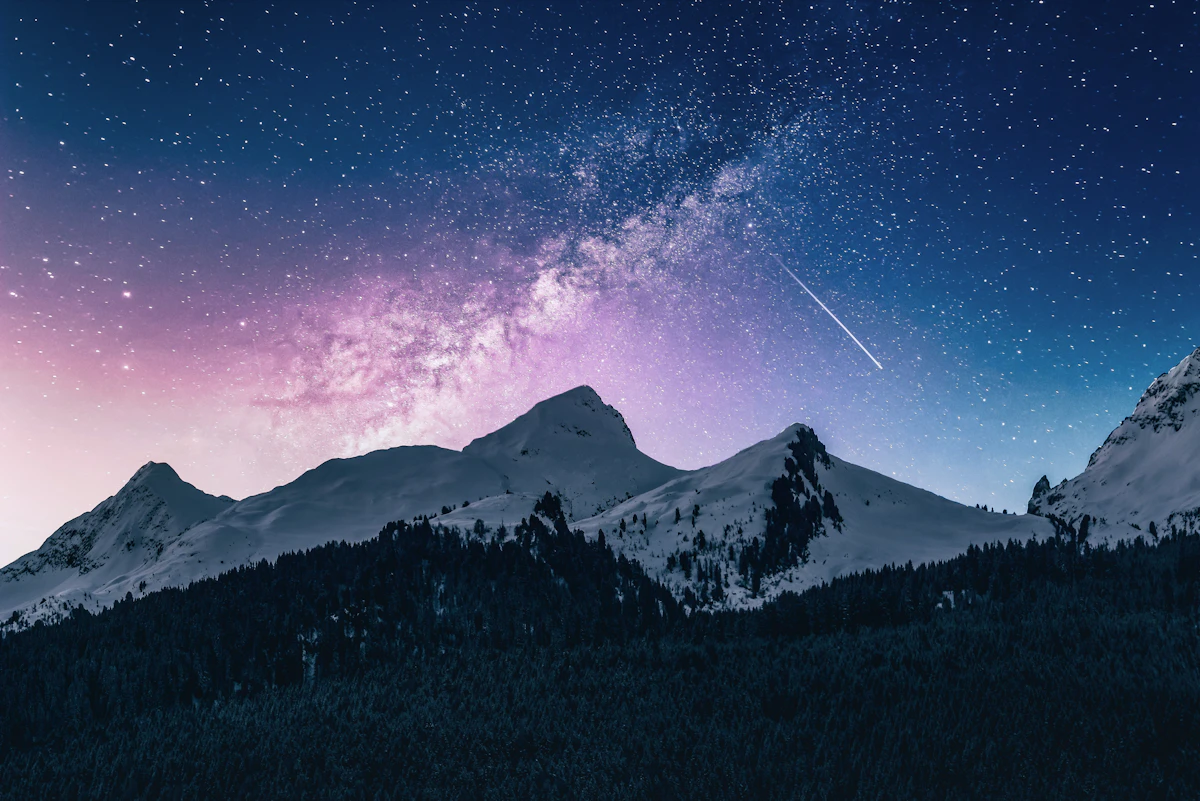
Night drone photography done legally and safely: the rules, the camera settings, and the extra precautions darkness demands.

How satellites photograph Earth from orbit: sensors, orbits, resolution, and why a satellite photo is not like a camera photo.
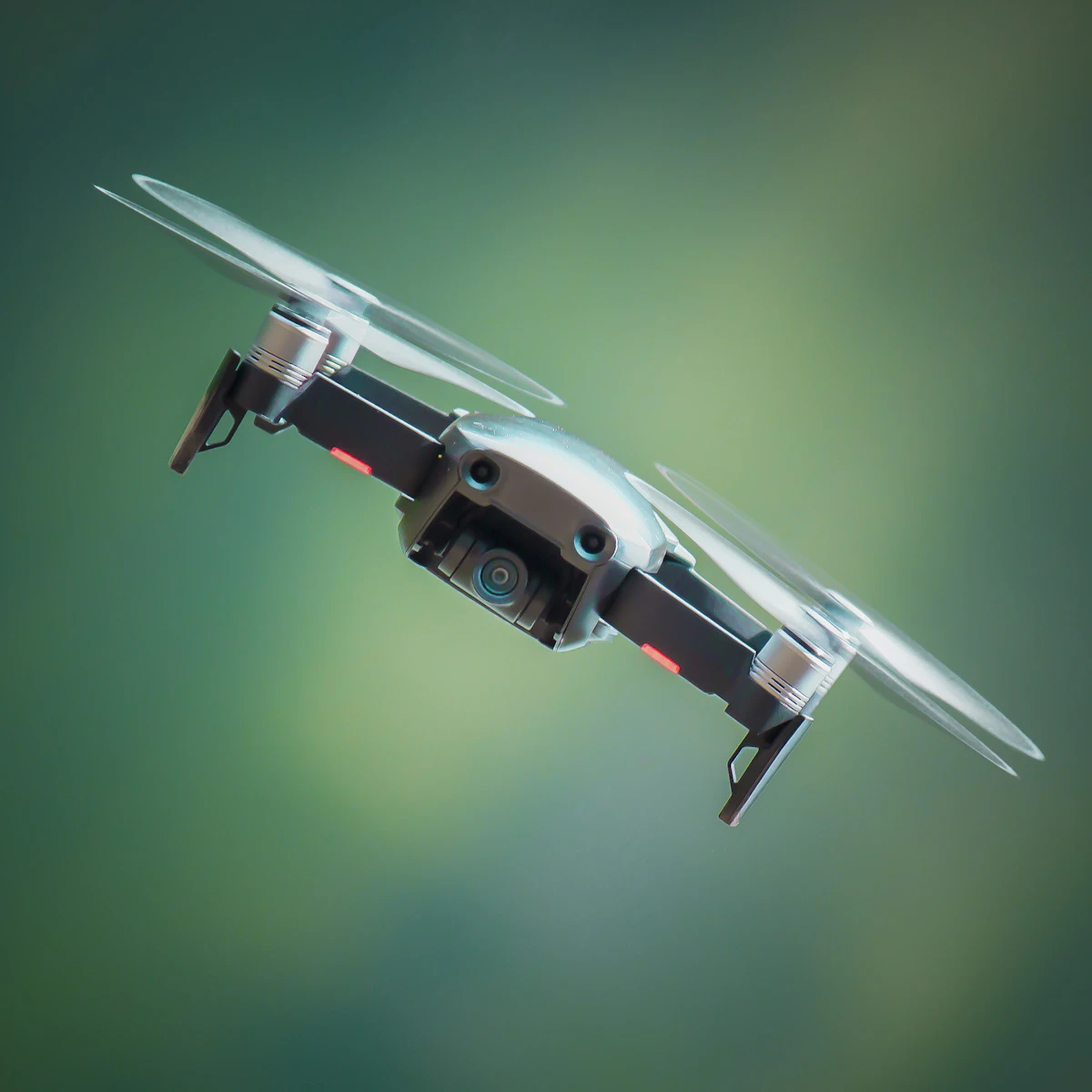
Sub-250g travel drones explained: why the weight limit matters, what you give up, and which features to prioritise for travel.
Turn a long layover from wasted time into a restful break: lounges, sleep spots, city exits, and what to pack in hand luggage.

Why rockets can't launch any time: orbital mechanics, target orbits, weather, and range safety, explained without maths.