Why Airplane Winglets Save Fuel: The Curved Wingtips Explained
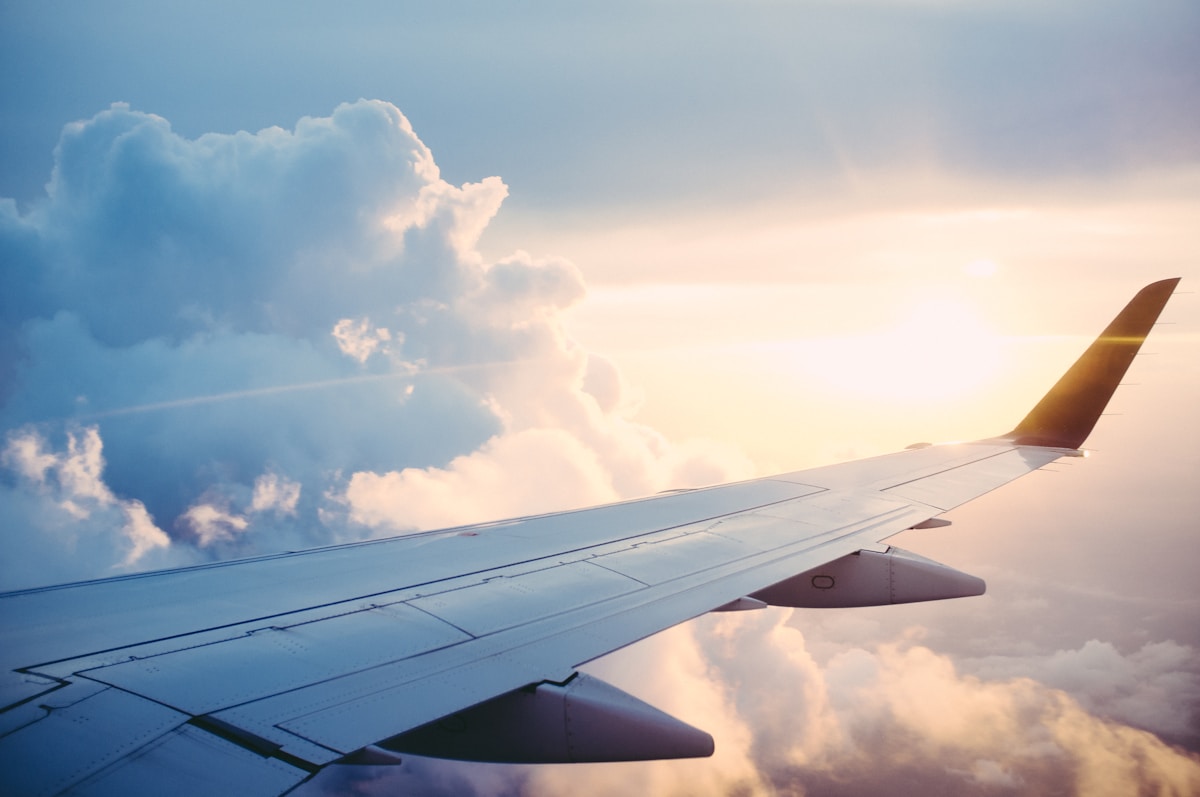
- Primary Signal: Why Airplane Winglets Save Fuel: The Curved Wingtips Explained
- Overview: Those curved tips on modern airplane wings are called winglets, and they cut drag in a way that saves real fuel on every flight....
- Verification: Analyzed and compiled by FreeSky Aerial editorial monitoring desk.
Look out of the window on your next flight and you will probably notice that the wing does not end in a flat edge. On most modern jets it curves upward, sometimes with a small downward fin as well. That shape is called a winglet, and it is not there for decoration. It solves a specific aerodynamic problem that has existed since the first powered flights, and it saves airlines a meaningful amount of fuel on every trip.
A wing creates lift because air pressure is higher underneath it than above it. At the wingtip, that high-pressure air tries to escape around the end of the wing to the low-pressure area on top. As it does, it rolls into a spinning vortex trailing behind the aircraft, a bit like a small horizontal tornado. That vortex is wasted energy, and it creates a type of resistance called induced drag, which forces the engines to work harder to keep the plane moving forward. The effect is strongest when the wing is working hardest, during takeoff and climb, but it is present throughout cruise as well.
A winglet acts as a barrier that makes it harder for air to spill around the tip. Instead of rolling freely off the end, the airflow is guided upward and outward, which weakens the vortex and reduces induced drag. In practical terms, the wing behaves as if it were longer than it actually is, without the extra span that would make parking at gates and taxiing more difficult. That is the key trade-off winglets solve: they give much of the benefit of a longer wing while keeping the aircraft's wingspan within airport limits.
Not all winglets look the same. Blended winglets curve smoothly up from the wing and are common on Boeing 737s. Airbus calls its version a sharklet, a tall, sleek fin seen on A320-family jets. Split scimitar winglets add a second, downward-pointing fin below the wing for extra effect, while some long-haul aircraft use raked wingtips instead, which sweep backward rather than curving up. Each design is tuned to the aircraft's cruising speed, range, and wing structure, so airlines choose the shape that pays back best on their typical routes.
For travellers, winglets show up in quieter, more practical ways. Less drag means lower fuel burn, which helps keep fares down and lets aircraft fly farther on the same fuel, opening routes that would otherwise need a fuel stop. Winglets also improve climb performance, which matters at hot or high-altitude airports where thin air makes takeoff harder. They even reduce wake turbulence behind the aircraft, which is one reason controllers can space departures a little more tightly. Next time you board, check the wingtip: that small curve is doing serious work.
Building a longer wing from scratch is expensive and can force an aircraft into a larger gate category, which limits where it can park. Winglets offer a retrofit path instead: an older jet can gain much of the efficiency benefit without a new wing, and many airlines have paid for winglet retrofits precisely because the fuel savings repay the installation cost over the aircraft's remaining service life. That retrofit logic also explains why you see winglets on aircraft types that originally flew without them, and why the devices keep evolving as designers find new shapes that squeeze out a little more efficiency.
For spotters, winglets are also a handy identification clue. A 737 with tall split scimitars, an A320neo with sharklets, and a 777 with raked tips each tell you something about the aircraft's generation and range. The details differ, but the principle is identical in every case: manage the air at the wingtip, waste less energy in vortices, and let the engines do less work for the same journey. It is a small piece of metal that pays for itself thousands of times over.
📖 Continue Reading the Full Story
Continue reading this article on FreeSky Aerial.
⚡ Access Full Content NowMore from FreeSky Aerial



 ⚡ CyberTech 568
10 Free AI Tools That Save Freelancers 10 Hours a Week
Ten genuinely free AI tools for writing, design, and admin — build them into your workflow and reclaim roughly...
 🤖 WinBar AI
Why Do Bookmakers Limit Winning Accounts? The Business Logic Explained
Getting limited after winning is frustrating, but it follows a clear business logic. Here is why soft bookmake...
🔭 FreeSky Cosmos
Can a Missed Call Text-Back Save Your Space-Tourism Inquiries?
Space prospects do not leave voicemails — they research your competitor. An instant missed-call text-back give...
🗺️ FreeSky GeoData
Can a Missed Call Text-Back Save Your GIS Project Inquiries?
GIS prospects do not leave voicemails — they call the next consultancy. An instant missed-call text-back gives...