How to Watch a Rocket Launch in Person: Viewing Spots, Timing and Tips
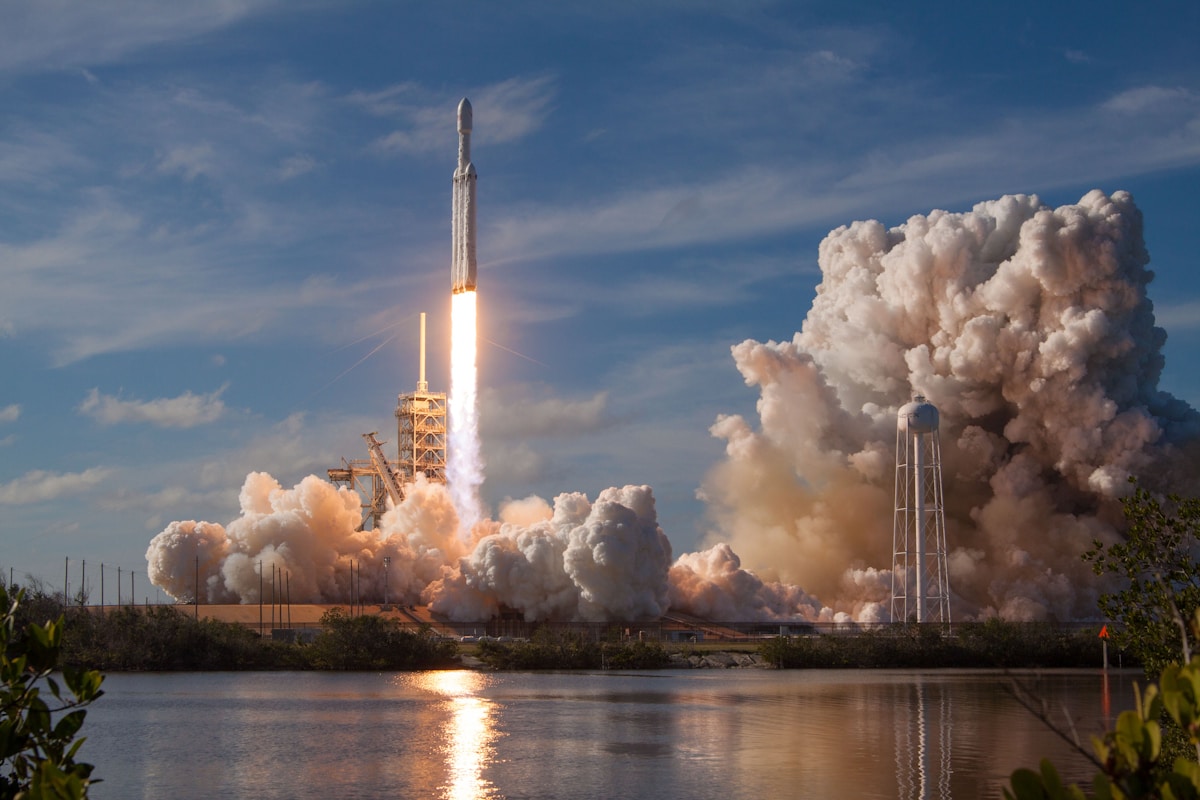
- Primary Signal: How to Watch a Rocket Launch in Person: Viewing Spots, Timing and Tips
- Overview: Seeing a launch live is about location, timing and patience. This guide covers the best public viewing areas, scrub delays, sound delay and what to bring....
- Verification: Analyzed and compiled by FreeSky Aerial editorial monitoring desk.
Watching a rocket launch in person is one of the few spectacles that genuinely exceeds its videos. The light, the sound rolling across water and land, and the physical thump in your chest are impossible to capture on a screen. But a good launch trip needs planning, because launches slip, viewing spots fill, and the best experience depends on details that are easy to get wrong on a first visit.
Start by choosing a launch with a public viewing window that suits you. Florida's Space Coast around Kennedy Space Center and Cape Canaveral offers the most frequent launches and the best public infrastructure, with spots like Jetty Park, Playalinda Beach and the Banana Creek viewing area near the visitor complex. California's Vandenberg launches are fewer but dramatic over the Pacific, and other ranges around the world, from New Zealand's Mahia Peninsula to French Guiana, each have their own access rules and viewing areas.
Distance matters more than most first-timers expect. Public viewing areas are typically several kilometres from the pad, and the rocket will look smaller than you imagine at liftoff. What makes the experience is not size but sound and light: the rumble arrives seconds after liftoff, delayed by the distance sound must travel, and at night the exhaust plume can light up clouds for kilometres. Binoculars help, but the naked-eye view plus the sound is what people remember.
Timing is the part that tests patience. Launches operate in windows, not fixed showtimes, and weather, technical holds and range issues can delay a launch by minutes, hours or days. Scrubs are common and are not a failure; they are the system working as designed. Build flexibility into your trip by planning at least two or three days around a launch window, and follow the launch provider's official updates rather than third-party countdown apps, which sometimes lag.
On the day, arrive early. Popular viewing areas fill hours before a high-profile launch, parking can close, and causeway traffic after the launch can be slow. Bring water, sun protection, insect repellent and a portable chair, and check whether your viewing spot allows tripods and coolers. For photography, a telephoto lens of at least 200mm helps, but practise your settings beforehand: a launch is fast, bright and unforgiving of fumbling with an unfamiliar camera.
Sound deserves a safety note. At public viewing distances the noise is loud and thrilling rather than dangerous, but it can startle children and pets, and hearing protection is sensible for young children. Never try to reach a restricted area for a closer view; range safety perimeters exist because a launch failure can scatter debris over a wide area, and trespassing can also delay or scrub a launch.
If your launch scrubs, treat the trip as a space holiday rather than a wasted journey. Visitor complexes, museums and nearby beaches make the area worth visiting regardless, and many regulars will tell you their second or third attempt was the one that finally flew. When it does, you will understand why people plan entire holidays around a few minutes of fire and thunder.
Launch viewing rewards the same patience that spaceflight itself demands. Schedules slip, weather intervenes, and hardware needs its own time, but the payoff is an experience that no screen can reproduce. Plan flexibly, arrive early, and give yourself more than one chance to see a launch, and the odds of a memorable trip rise dramatically. Check the launch provider's official page on the morning of the attempt, since windows can shift overnight. Check the launch provider's official page on the morning of the attempt, since windows can shift overnight.
📖 Continue Reading the Full Story
Continue reading this article on FreeSky Aerial.
⚡ Access Full Content NowMore from FreeSky Aerial



 🔭 FreeSky Cosmos
Geminids Meteor Shower Viewing Guide: When and How to Watch in December
The Geminids are the year's most reliable meteor shower, with bright, slow meteors and a broad peak. This guid...
⚡ CyberTech 568
Step-by-Step Tutorial: Playback Speed Calculator — Video Time at Any Speed (Day 2 Guide)
How to accurately use the Playback Speed Calculator — Video Time at Any Speed on CyberTech 568. Discover essen...
🤖 WinBar AI
Step-by-Step Tutorial: YouTube Thumbnail Downloader & Grabber — 4K (Day 2 Guide)
How to accurately use the YouTube Thumbnail Downloader & Grabber — 4K on WinBar AI. Discover essential practic...
 ☁️ FreeSky Cloud
ROI & Value Audit: GST Calculator — Add or Extract GST & VAT (Day 15 Guide)
How to save time and eliminate guesswork with GST Calculator — Add or Extract GST & VAT on FreeSky Cloud. Disc...