FPV Drones for Beginners: What to Buy, How to Learn, and What It Costs
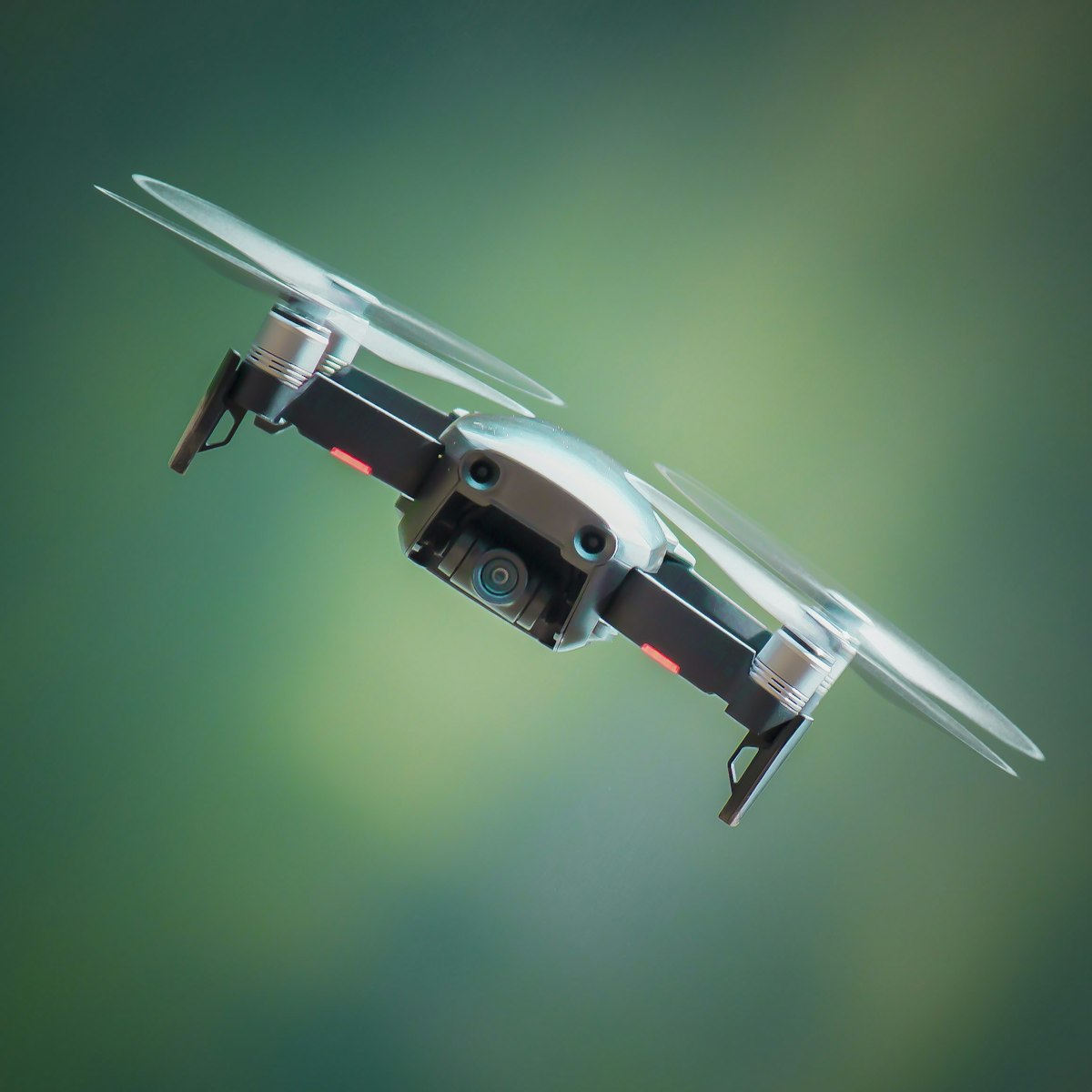
- Primary Signal: FPV Drones for Beginners: What to Buy, How to Learn, and What It Costs
- Overview: FPV flying — seeing the world through the drone's eyes in real time — is the most thrilling corner of the hobby. Here is the honest beginner path, from simulator to first flight....
- Verification: Analyzed and compiled by FreeSky Aerial editorial monitoring desk.
First-person-view flying, or FPV, is the difference between operating a camera in the sky and feeling like you are flying. Instead of watching the drone from the ground, you wear goggles that show you the live view from its camera, and you steer it in real time — diving, banking, threading gaps — in a way that a normal camera drone cannot match. It is the fastest-growing corner of the hobby, and also the one with the steepest learning curve. The good news is that the beginner path is well established, and the pilots who follow it crash less, spend less, and have more fun than the ones who skip steps.
What You Actually Need to Start
An FPV setup has four parts: the drone, the goggles, the radio controller, and batteries. For a first drone, the honest recommendation is a small, durable model — a tiny whoop for indoor practice or a three-to-five-inch freestyle quad for outdoors — rather than a large cinematic build. Small drones crash cheaper: a broken propeller costs a few dollars, not a new camera. Buy the best goggles and radio you can afford, because those two pieces stay with you through every drone you own, while the drone itself is almost disposable in the early months.
Digital and analogue are the two video systems, and the choice matters. Digital systems give a much clearer image, which makes flying easier and the footage better, but they cost more and lock you into one manufacturer's ecosystem. Analogue is cheaper, lighter, and has more parts available, but the image is grainy by comparison. Most beginners in 2026 start digital, because the price gap has narrowed and the clearer image shortens the learning curve. Either way, choose one system and commit — mixing ecosystems wastes money.
Learn in the Simulator Before You Fly
Every experienced FPV pilot gives the same advice: spend your first ten to twenty hours in a simulator, not in the air. Simulators such as Liftoff, Velocidrone, and Uncrashed connect to your real radio controller and teach the muscle memory — throttle control, orientation, recovering from a bad angle — without a single broken propeller. Crashing in a simulator costs nothing and teaches the same lesson as crashing for real. Pilots who skip this step typically destroy their first drone within the first few flights; pilots who do it arrive at the field already able to hover, turn, and land.
When you do fly for real, start in a big open field with soft ground, no people, and no obstacles. Fly line of sight first if your local rules require a spotter, and keep the first flights short — ten minutes of careful hovering teaches more than an hour of panicked chasing. Learn the emergency move early: disarming the motors in the air, known as a turtle-mode flip or simply cutting throttle, is how you stop a crash from becoming a flyaway. And set a personal rule for the first month: never fly over anything you cannot afford to lose, including your own drone.
The Real Cost and the Rules
Budget honestly. A beginner digital setup — a small drone, goggles, radio, batteries, and a charger — typically costs somewhere in the range of five hundred to a thousand dollars, with the goggles and radio accounting for more than half. Add a simulator, spare propellers, and a few extra batteries, and the first-year cost climbs further. It is not a cheap hobby, but it is cheaper than replacing a camera drone, because FPV drones are built to crash and be repaired. Learning to solder and replace parts is part of the hobby, not a failure of it.
The rules are the same as for any drone: register if required, respect no-fly zones, keep the drone in sight or fly with a spotter where required, and never fly over crowds. FPV adds one extra consideration — the goggles block your view of the sky around you, which is why many countries require a visual observer when flying FPV. Bring a friend, give them the job of watching the drone, and you both have a better day. FPV is a skill that rewards patience, and the pilots who stick with it past the first month rarely go back to ordinary flying.
Frequently Asked Questions
Q: How long does it take to learn FPV flying?
A: Expect ten to twenty hours in a simulator before your first real flight, and a few months of regular practice before you feel confident. Most pilots say it clicks suddenly, after weeks of gradual progress.
Q: Is FPV flying legal?
A: Yes, under the same drone rules as any other flying, with the addition that many countries require a visual observer because the goggles block your view. Check your local rules.
Q: Digital or analogue FPV for a beginner?
A: Digital, for most beginners in 2026. The clearer image makes learning easier, and the price gap has narrowed. Analogue still wins on cost and parts availability if budget is tight.
📖 Continue Reading the Full Story
Continue reading this article on FreeSky Aerial.
⚡ Access Full Content NowMore from FreeSky Aerial

 🔭 FreeSky Cosmos
How to Find the Andromeda Galaxy Tonight: A Naked-Eye Guide for Beginners
The Andromeda Galaxy is the most distant object you can see with the naked eye, 2.5 million light-years away. ...
 🗺️ FreeSky GeoData
What Is Remote Sensing? A Simple Guide for GIS Beginners
Remote sensing is how satellites and drones measure the Earth without touching it. This beginner guide explain...
 🌍 FreeSky Remote
Croatia Digital Nomad Visa 2026: Requirements, Costs and How to Apply
Croatia's digital nomad visa offers up to a year on the Adriatic coast with a modest income threshold by Europ...
 ⚡ CyberTech 568
Step-by-Step Tutorial: Playback Speed Calculator — Video Time at Any Speed (Day 2 Guide)
How to accurately use the Playback Speed Calculator — Video Time at Any Speed on CyberTech 568. Discover essen...