Drone Flyaway: What to Do When Your Drone Flies Off (and How to Prevent It)
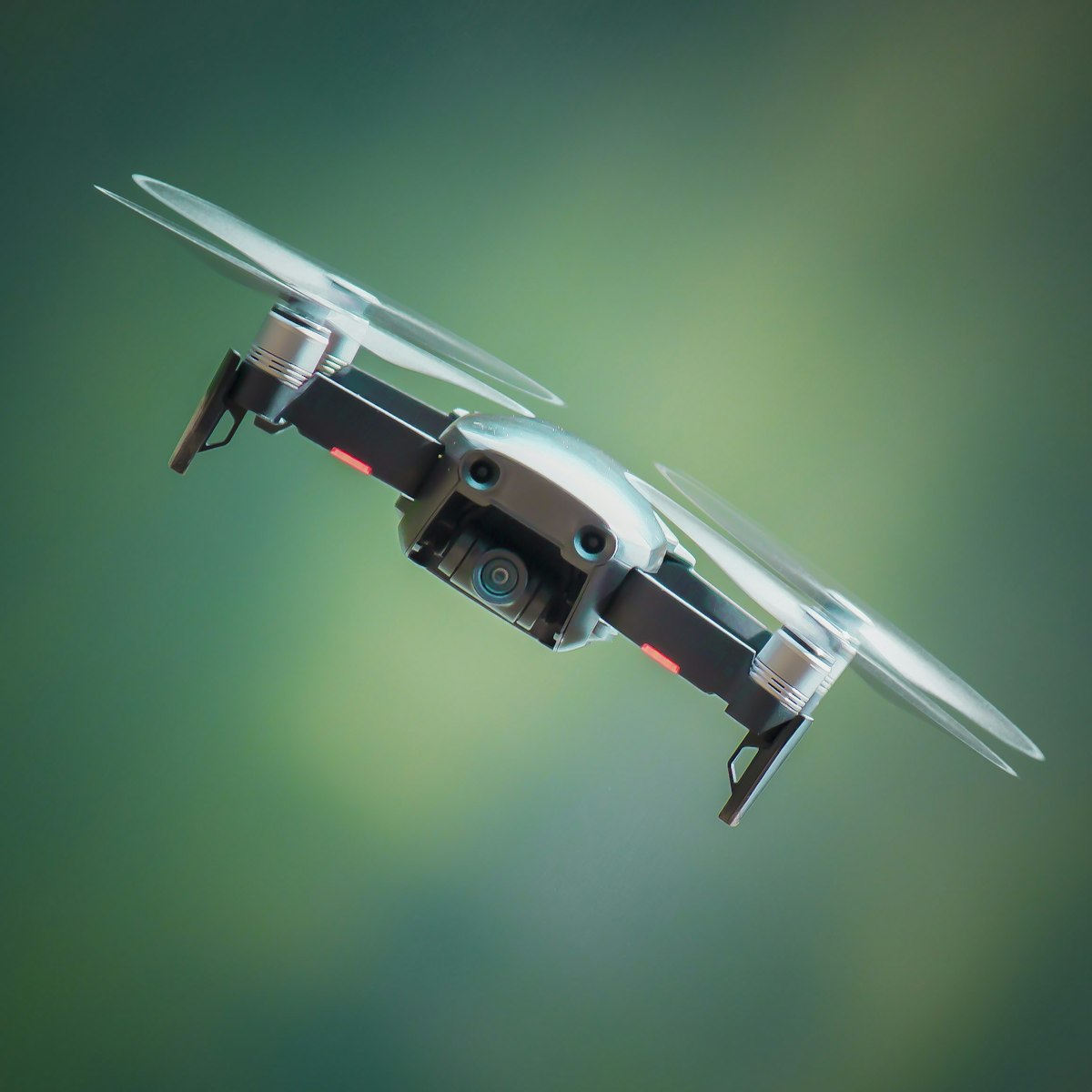
- Primary Signal: Drone Flyaway: What to Do When Your Drone Flies Off (and How to Prevent It)
- Overview: A flyaway — when your drone stops responding and drifts away on its own — is every pilot's nightmare. Fast action in the first minute, and five habits that stop it happening....
- Verification: Analyzed and compiled by FreeSky Aerial editorial monitoring desk.
Every drone pilot dreads the same moment: the aircraft stops responding, ignores the controls, and drifts away on the wind while you stand helpless on the ground. A flyaway is rare with modern drones, which have multiple failsafes, but it still happens — usually because of a compass error, a GPS problem, interference, or a pilot mistake at take-off. What you do in the first minute matters more than anything, and the habits that prevent a flyaway cost nothing. This guide covers both.
The First Minute: What to Do Right Now
Stay calm and stop pressing random controls — frantic stick inputs can make a confused drone worse. First, check the obvious: is the controller still connected, and is the drone actually ignoring you, or has it simply drifted downwind while you looked at the screen? Switch the flight mode if you can — moving from GPS mode to attitude mode, or the reverse, can restore control when the positioning system is the problem. If the drone is still responding at all, climb: altitude gives you time, clears obstacles, and often restores a weak signal.
If control does not return, trigger return-to-home manually and watch for it. A drone that ignores the sticks may still execute a return-to-home, because that command runs on the aircraft itself. If even that fails, note the last known direction, altitude, and position on the map, and keep the controller on — the aircraft may reconnect as it drifts, and a reconnection is your best chance of bringing it back. Do not chase it on foot while staring at the screen; note the direction, then move safely.
Why Flyaways Happen
Compass interference is the most common cause. Taking off from a car roof, a metal surface, a reinforced concrete slab, or near large magnets corrupts the compass calibration, and the drone then flies with a wrong sense of direction — it thinks it is holding position while it is actually drifting away. GPS problems are second: too few satellites at take-off, or a sudden loss of satellite lock in flight, leaves the drone without position data. Wind is the third cause, and the most underestimated: a drone that handles a breeze at low altitude can be carried away fast at height, where the wind is stronger, especially a light sub-250-gram model.
Pilot error covers the rest: launching with a low battery, ignoring a compass warning, flying behind a building that blocks the control signal, or accidentally switching into a manual mode. None of these is a mystery, and all of them are visible before take-off if you look. Modern drones also log everything — flight records on the controller and in the app are the first thing to check after an incident, because they show exactly what the aircraft thought was happening, which is often very different from what the pilot saw.
Five Habits That Prevent Flyaways
Calibrate the compass whenever the app asks, and always take off from a clear, non-metallic surface. Wait for a strong GPS lock — at least ten satellites — before launching, and check the home point is recorded correctly on the map before you fly away from it. Set the return-to-home altitude above the tallest obstacle in the area, so an automatic return does not fly into a tree. Keep the battery above thirty percent when the drone is far away, because a low-battery return-to-home in a headwind may not make it back. And keep the drone within visual line of sight, so you can see what it is actually doing rather than trusting the screen alone.
Add two pieces of insurance against the worst case: label the drone with your phone number, so whoever finds it can reach you, and enable the find-my-drone feature in the app, which records the last known position. A drone that lands in a field is usually recoverable if you know where to look; a drone with no label and no recorded position is usually gone. Flyaways are frightening, but they are almost always preventable — and the pilots who never have one are usually the ones with the most boring pre-flight routine.
Frequently Asked Questions
Q: Will my drone come back by itself after a flyaway?
A: Often, yes — if the failsafe is set to return home and the battery and signal allow it. That is why setting the return-to-home altitude and a strong GPS lock matter so much.
Q: Does a flyaway mean my drone is faulty?
A: Not necessarily. Most flyaways trace back to compass interference, GPS issues, wind, or pilot error. Check the flight log before blaming the hardware.
Q: What should I do if I cannot find a lost drone?
A: Retrace the last known position from the app, check with local people and landowners, and report it if it carried a camera — someone may hand it in. Labelling the drone with your number helps enormously.
📖 Continue Reading the Full Story
Continue reading this article on FreeSky Aerial.
⚡ Access Full Content NowMore from FreeSky Aerial

 ⚡ CyberTech 568
Step-by-Step Tutorial: Playback Speed Calculator — Video Time at Any Speed (Day 2 Guide)
How to accurately use the Playback Speed Calculator — Video Time at Any Speed on CyberTech 568. Discover essen...
🤖 WinBar AI
Step-by-Step Tutorial: YouTube Thumbnail Downloader & Grabber — 4K (Day 2 Guide)
How to accurately use the YouTube Thumbnail Downloader & Grabber — 4K on WinBar AI. Discover essential practic...
 ☁️ FreeSky Cloud
Homelab Starter Guide 2026: Build Your First Home Server for Under $300
You do not need a rack of enterprise hardware to start a homelab. A used mini PC, a few free services, and one...
 🔭 FreeSky Cosmos
How to Find the Orion Nebula With Binoculars: A Beginner's Winter Guide
The Orion Nebula is the brightest nebula in the sky and one of the easiest deep-sky objects for a beginner. Al...