Best Drones for Beginners Under $500 in 2026: Easy, Stable, and Fun to Fly
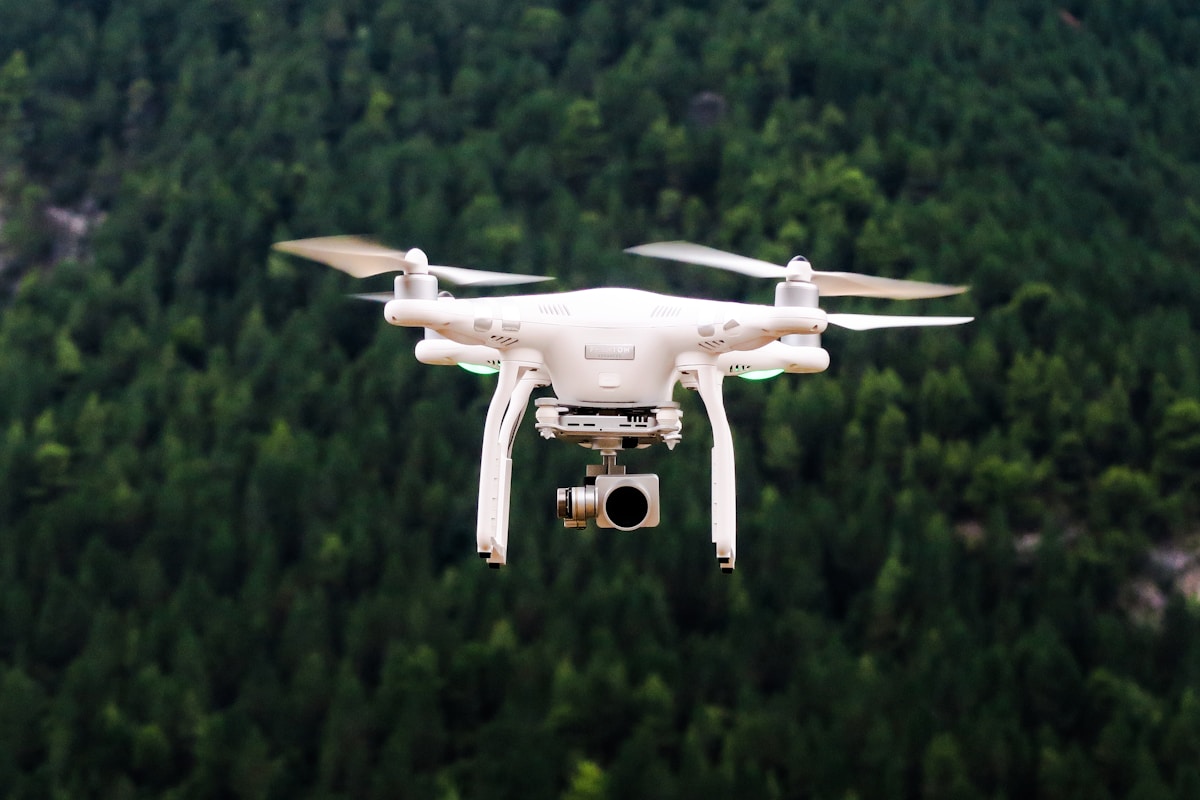
- Primary Signal: Best Drones for Beginners Under $500 in 2026: Easy, Stable, and Fun to Fly
- Overview: You do not need to spend four figures to start flying. These beginner drones under $500 offer stable flight, decent cameras, and safety features that help new pilots learn with con...
- Verification: Analyzed and compiled by FreeSky Aerial editorial monitoring desk.
Buying your first drone is exciting, but the choice can feel overwhelming. Expensive professional models promise cinema-quality footage, while ultra-cheap toy drones often frustrate new pilots with drifting, short battery life, and no camera stabilisation. The sweet spot for most beginners sits under $500, where you can find drones with GPS hold, return-to-home, obstacle sensing, and cameras good enough for social media, travel videos, and learning real flying skills.
The most important feature for a beginner is stability, not top speed or maximum range. Look for GPS positioning, downward vision sensors, and a three-axis gimbal if you want smooth video. A drone that hovers steadily in place while you think about your next move will teach you far more than a fast drone that constantly needs correction. Battery life matters too: aim for at least 20 minutes per battery, and budget for a spare battery so a flying session does not end after one short flight.
Weight and local rules are another practical factor. In many countries, drones under 250 grams face lighter registration requirements, which makes small models especially appealing for beginners. Even if you choose a slightly heavier drone, check your local aviation authority rules before your first flight, learn where you can and cannot fly, and keep the drone within visual line of sight. A good beginner drone makes following the rules easier, with geofencing and altitude limits built into its app.
Camera quality under $500 has improved dramatically. Many models now shoot 4K video or high-quality 2.7K, with electronic or mechanical stabilisation that removes most vibration. Do not judge a drone by megapixels alone. Watch sample footage, check how it handles wind, and look at low-light performance if you plan to fly at golden hour. For most beginners, a stable 4K camera with a decent sensor beats a shaky high-resolution camera every time.
Finally, think about the whole package, not just the drone. Spare propellers, a carrying case, a charging hub, and a controller that fits your phone comfortably all make learning easier. Read reviews from new pilots, not only professionals, and choose a brand with clear customer support and readily available parts. A beginner drone should forgive mistakes, reward practice, and still feel fun after your first twenty flights.
Start in a wide, open space away from people, trees, and power lines. Practise hovering, slow turns, and gentle forward flight before attempting cinematic shots. With a stable drone under $500 and a patient approach, you will build skills quickly and know exactly what you want if you later upgrade to a professional model.
Before you order, compare a few practical details that reviews often mention only in passing. Check how the drone behaves in wind, because a light beginner drone can be pushed around on a breezy day even if its camera is excellent. Look at the controller: some use a phone mount that wobbles, while others feel solid and keep your phone clearly visible in sunlight. Also check how easy it is to find spare batteries and propellers in your country, because a drone that is hard to maintain will spend more time on a shelf than in the air.
Finally, set a realistic first-month plan. Fly short sessions, practise one skill at a time, and save your best footage to compare week by week. You will quickly learn whether you prefer slow cinematic flights, fast exploration, or still photography, and that knowledge will guide any future upgrade far better than a specification sheet alone.
Finally, remember that a beginner drone is a learning tool, not a lifetime purchase. Choose one that is easy to repair, fun to fly, and capable enough to grow with you for a season or two, and you will enjoy the hobby far more than if you chase specifications alone.
📖 Continue Reading the Full Story
Continue reading this article on FreeSky Aerial.
⚡ Access Full Content NowMore from FreeSky Aerial



 🌍 FreeSky Remote
The Best Freelance Rate Calculator Methods for Beginners (2026)
New freelancers almost always undercharge. Here are the rate-setting methods that actually work for beginners ...
 ⚡ CyberTech 568
Best Free AI Voice Changer for Gaming in 2026
A good voice changer adds fun to game night without lag or robotic audio. Compare the best free options for Di...
 ☁️ FreeSky Cloud
Best Free Tier Cloud Hosting 2026: Host Projects Without Paying
Compare the best free tier cloud hosting options for 2026, including what is genuinely free, what limits apply...
 🔭 FreeSky Cosmos
Best Time to See Meteor Showers 2026: Peaks, Moonlight, and Watching Tips
Meteor showers need no telescope — just dark skies, patience, and good timing. Here are the best showers of 20...