Why Do Airplanes Cruise at 35,000 Feet? The Science of Cruising Altitude
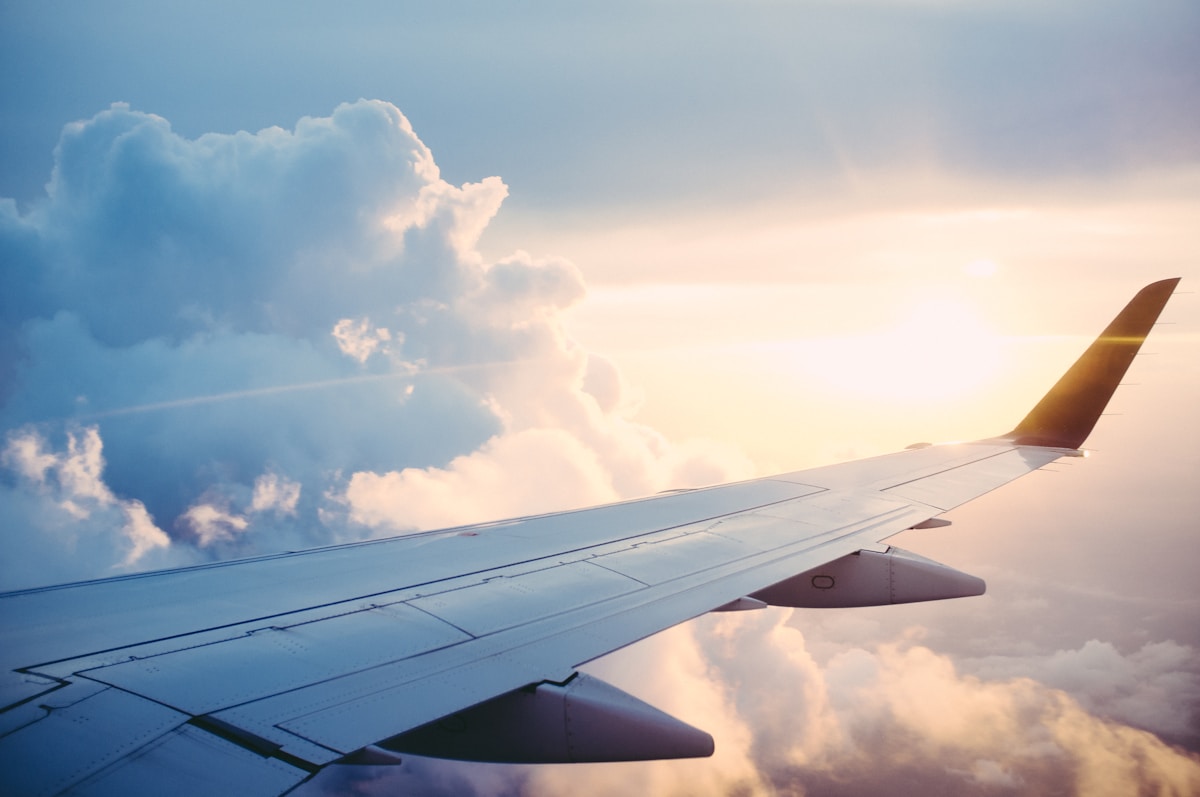
- Primary Signal: Why Do Airplanes Cruise at 35,000 Feet? The Science of Cruising Altitude
- Overview: Most jets cruise between 30,000 and 40,000 feet for a reason: thinner air means less drag, but engines and passengers still need enough air to work....
- Verification: Analyzed and compiled by FreeSky Aerial editorial monitoring desk.
Shortly after takeoff, the seatbelt sign goes off and the captain announces a cruising altitude, usually somewhere between 30,000 and 40,000 feet. It sounds arbitrary, but that band is the result of a careful balance between fuel efficiency, engine performance, weather, and human comfort. Fly too low and the aircraft burns far more fuel; fly too high and the engines and the cabin start to struggle.
The main reason jets climb high is drag. At cruising altitude the air is much thinner than at sea level, so the aircraft meets less resistance as it moves forward. Less resistance means the engines need less thrust to hold speed, which means less fuel burned per kilometre. This is why a long-haul flight climbs as high as it safely can and stays there: on a ten-hour journey, the fuel saved by cruising high runs into tonnes. Airlines also plan step climbs, rising gradually as the aircraft burns fuel and gets lighter, because a lighter jet can hold a higher altitude efficiently.
If thinner air is better, why stop at 40,000 feet? The limit is the engines and the wings. Jet engines need air to burn fuel, and as air gets thinner they produce less thrust. Wings also need air flowing over them to generate lift, so at extreme altitudes an aircraft must fly faster just to stay up, which eats back the efficiency gain. The cabin adds another limit: it is pressurised to feel like roughly 6,000 to 8,000 feet, and the bigger the gap between cabin pressure and outside pressure, the harder the fuselage has to work. The cruising band is therefore the sweet spot where drag is low but lift, thrust, and pressurisation all still work comfortably.
Altitude is not only about physics. Most weather, including thunderstorms and heavy turbulence, sits in the lower atmosphere, so cruising above it gives a smoother ride and fewer diversions. Air traffic control also organises the sky into layers, with eastbound and westbound traffic typically assigned different altitudes to keep aircraft separated. A flight's exact altitude on the day depends on its direction, weight, the winds at each level, and traffic, which is why two flights on the same route may cruise thousands of feet apart.
For passengers, cruising altitude mostly shows up in small details: ears popping during climb and descent as cabin pressure changes, a slightly drier cabin because the outside air is extremely cold and dry, and the curved horizon visible from the window. That curve is real but subtle; at 35,000 feet you are still well inside the atmosphere, just high enough that the sky looks darker above you. So the next time the captain calls out the altitude, you will know it is not a round number picked for effect. It is where the aircraft flies cheapest, smoothest, and safest.
Not every flight reaches 35,000 feet. On a short hop of under an hour, the aircraft may level off at 20,000 feet or lower, because climbing higher would burn extra fuel and time for little benefit before descent begins. That is not a lesser service or a cautious crew: it is the same efficiency calculation applied to a shorter distance. Regional jets and turboprops also cruise lower by design, since their engines and airframes are optimised for shorter sectors and lower altitudes.
Passengers sometimes notice that the cruising altitude announced on a short flight seems modest compared with a long-haul journey. The physics has not changed, only the maths: the optimum altitude depends on distance, aircraft weight, and winds, and on a short sector the optimum is lower. The crew and dispatchers choose the altitude that burns the least fuel for that specific flight, which is exactly what you want them to do.
📖 Continue Reading the Full Story
Continue reading this article on FreeSky Aerial.
⚡ Access Full Content NowMore from FreeSky Aerial



 ⚡ CyberTech 568
Best Free AI Voice Changer for Gaming in 2026
A good voice changer adds fun to game night without lag or robotic audio. Compare the best free options for Di...
 🤖 WinBar AI
How to Spot Sharp Money Movement in Betting Odds Before the Line Settles
Sharp money is professional cash moving odds before the public catches on. Here is how to read reverse line mo...
 ☁️ FreeSky Cloud
VPS Backup Automation Guide: Set It Once and Stop Worrying
A practical, step-by-step guide to vps-backup-automation-guide, with the common mistakes to avoid and a reusab...
 🔭 FreeSky Cosmos
How to Find Planets in the Night Sky: A Beginner's Guide Without a Telescope
You can spot Venus, Jupiter, Mars, and Saturn with the naked eye. The trick is knowing they shine steadily, mo...