Why Airplane Wings Flex in Flight (and Why That Is a Good Thing)

- Primary Signal: Why Airplane Wings Flex in Flight (and Why That Is a Good Thing)
- Overview: Passengers worry when they see wings bending during turbulence. In fact, that flex is engineered in — rigid wings would be far more dangerous....
- Verification: Analyzed and compiled by FreeSky Aerial editorial monitoring desk.
If you have ever sat by the window during turbulence and watched the wing bend upward, you probably felt a flash of worry. It looks wrong, like something is about to break. In reality, that bending is one of the most carefully engineered features of the airplane, and a wing that did not flex would be far more dangerous.
An airplane wing is not a rigid board bolted to the fuselage. It is a flexible structure designed to bend, twist, and absorb forces. During testing, engineers bend wings far beyond anything they will ever experience in flight, often until they break, to prove the safety margin. A typical airliner wing can flex several metres at the tip before reaching its limit.
Flex works like a shock absorber. When turbulence hits, a gust pushes the wing upward. A rigid wing would transfer that entire force straight into the fuselage and the passengers. A flexible wing bends, spreading the load over time and softening the jolt. This is why a bumpy flight feels uncomfortable but is structurally routine.
The materials make this possible. Modern wings use aluminum alloys and carbon composites that combine strength with elasticity. They return to their original shape after every gust, millions of times over the life of the aircraft. Engineers track this fatigue carefully, inspecting wings on a schedule that catches wear long before it matters.
Wing flex also improves efficiency. A wing that bends slightly under load changes its shape in a way that reduces drag in cruise, and some newer designs deliberately use flexible structures to adapt to different phases of flight. The bend you see is not a flaw in the design. It is part of the design.
There is one thing worth knowing as a passenger: the amount of flex you see from your seat is normal, even in strong turbulence. Pilots and engineers expect it, the aircraft is tested for far more, and the wing is inspected regularly. If flex ever exceeded safe limits, it would be visible as damage on the ground, not as a surprise in the air.
Wing safety is not assumed, it is tested to destruction. Before an aircraft type enters service, engineers mount a test wing in a rig and bend it with hydraulic jacks until it breaks, measuring exactly how far it goes. Certification requires the wing to survive loads far beyond anything possible in normal flight, typically one and a half times the maximum load the aircraft will ever experience. The test wing bends dramatically before failing, and that footage is public for many aircraft types.
In service, wings are inspected on a strict schedule. Technicians check for cracks, corrosion, and fatigue using visual inspection and specialized scanning, and any finding is repaired or the part replaced. An airliner wing accumulates millions of load cycles over its life, and the inspection program is designed to catch wear at a fraction of the point where it would matter. The flex you see from your seat is the wing working well within a margin that was proven before the aircraft ever carried a passenger.
So the next time the wing rises and falls beside your window, you can read it differently. That movement is the airplane doing exactly what it was built to do: bending so it does not break, and carrying you smoothly through air that is never perfectly still.
If wing flex still worries you on your next flight, watch the crew during turbulence. Their calm is not an act; they experience the same movement daily and know the aircraft is operating far inside its limits. Flex is the wing's way of absorbing the sky's energy gracefully, and understanding that turns a worrying sight into a reassuring one.
📖 Continue Reading the Full Story
Continue reading this article on FreeSky Aerial.
⚡ Access Full Content NowMore from FreeSky Aerial



 ⚡ CyberTech 568
Internet Latency Test: How Fast Is Your Connection?
Test your internet latency free. Get accurate ping measurements and learn what your numbers mean for gaming an...
 🤖 WinBar AI
Instagram Reels Downloader for PC: Save Reels Free Online
Download Instagram Reels to your PC free — no app, no login. Paste the reel link and save in HD quality straig...
 ☁️ FreeSky Cloud
ROI & Value Audit: GST Calculator — Add or Extract GST & VAT (Day 15 Guide)
How to save time and eliminate guesswork with GST Calculator — Add or Extract GST & VAT on FreeSky Cloud. Disc...
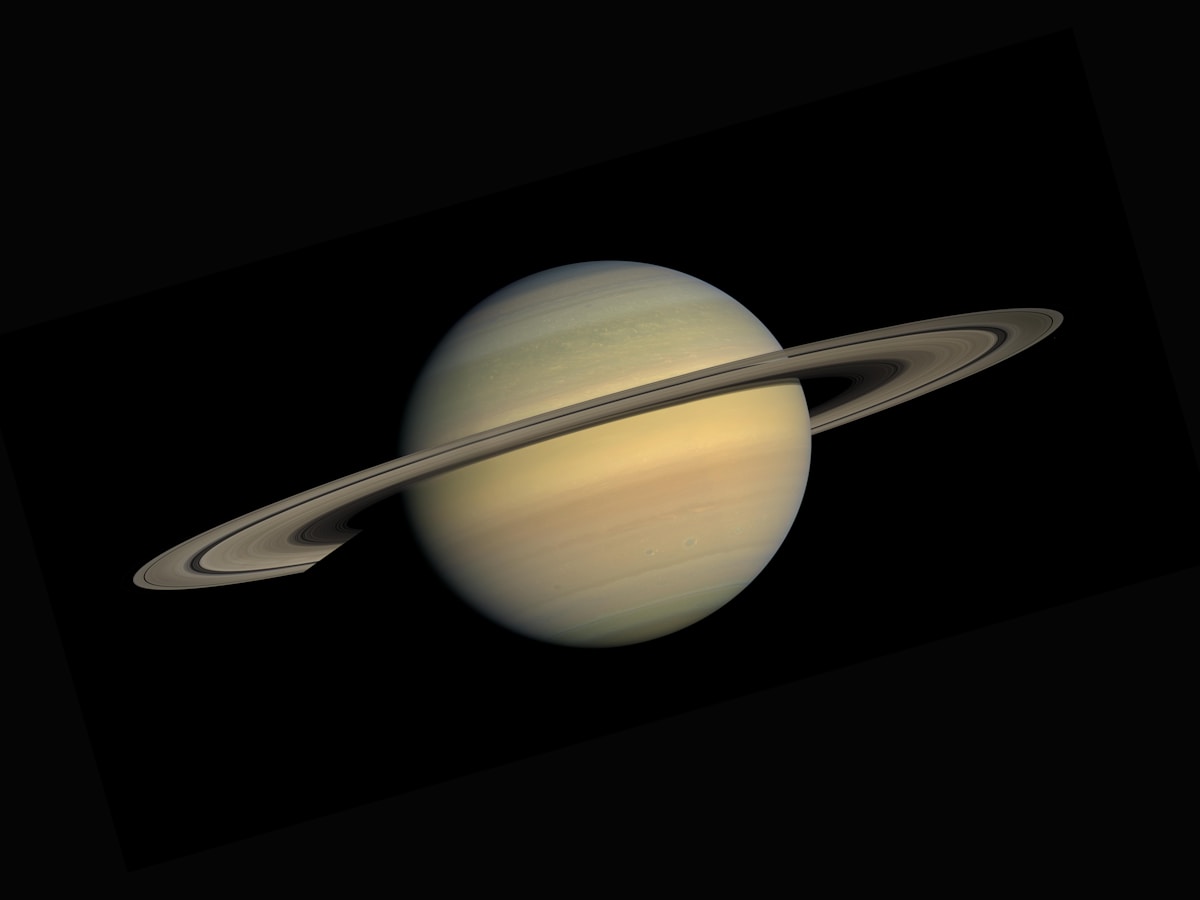 🔭 FreeSky Cosmos
How to See Saturn's Rings With Binoculars: A Practical Beginner's Guide
Saturn's rings are visible in ordinary 10x50 binoculars if you know what to look for and hold them steady. Thi...