Why Are Airplane Seats So Close Together? The Economics of Cabin Layout
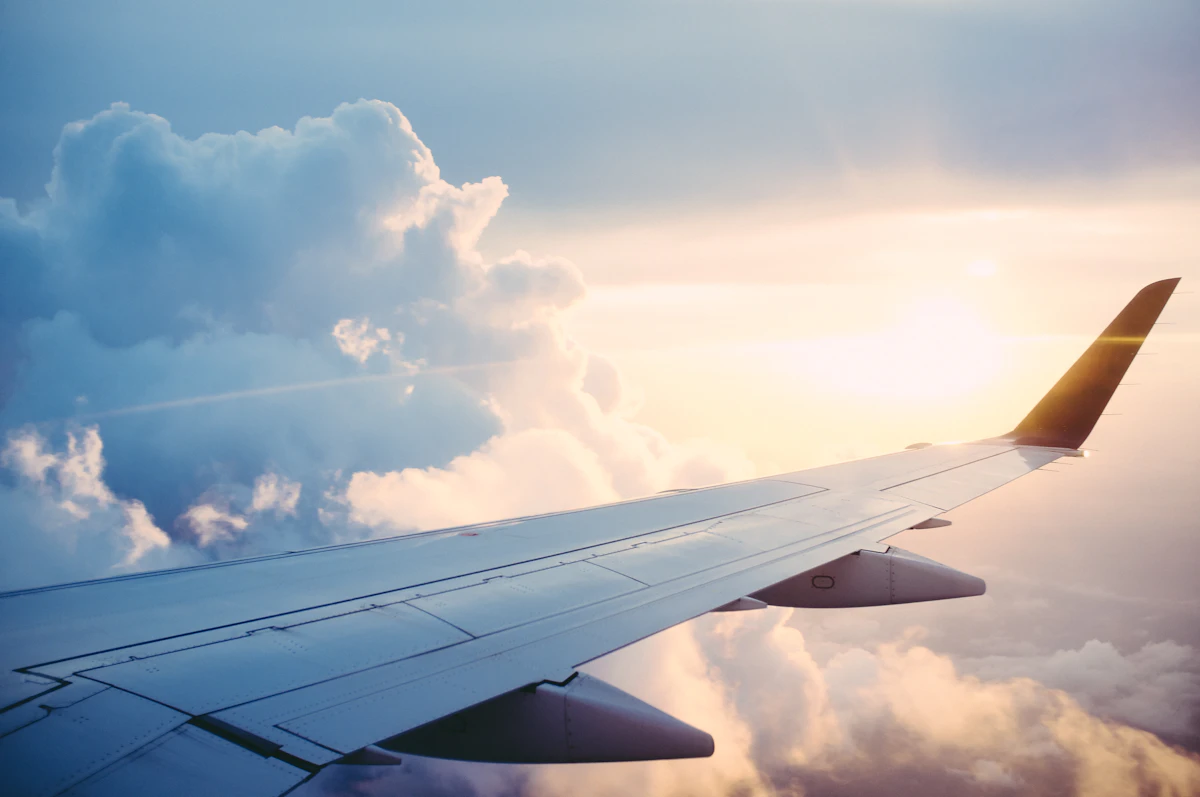
- Primary Signal: Why Are Airplane Seats So Close Together? The Economics of Cabin Layout
- Overview: Seat pitch is not an accident or a punishment. It is the result of airline economics, where a few extra rows per plane decide whether a route makes money at the fares passengers wi...
- Verification: Analyzed and compiled by FreeSky Aerial editorial monitoring desk.
Anyone who has flown economy has wondered why seats are so close together, and the answer feels unsatisfying: because airlines want more seats. That is true, but it is only half the story. The full story is about the economics of flying, where the price passengers are willing to pay collides with the enormous cost of operating an aircraft, and seat layout is where that collision becomes visible.
An aircraft has fixed costs that barely change whether it carries 150 people or 180: fuel, crew, maintenance, airport fees, and the aircraft itself. Spreading those costs across more seats lowers the cost per passenger, which lets the airline charge lower fares and still make money. Fewer, roomier seats mean higher fares, and on most routes passengers choose the cheaper ticket.
Seat pitch, the distance between one row and the next, is the number that decides your legroom, and it is set by balancing comfort against capacity. Adding a single row to a typical narrow-body aircraft adds several seats, which across hundreds of flights a year is a significant revenue difference. Removing a row to add legroom costs the airline that revenue on every single flight, forever.
Airlines also weigh the aircraft's certification limit, which caps the total number of passengers based on evacuation requirements. The layout must allow a full evacuation within a strict time, and that safety limit, not just profit, sets the absolute ceiling on how many seats can fit. Within that ceiling, airlines choose the layout that matches their market.
Low-cost airlines typically pack seats tighter because their entire business model depends on low fares and high volume. Full-service airlines often offer slightly more room, but they charge more for it, and they also sell premium seats with much more space at much higher prices. The market sorts itself: passengers who value space pay for it, and passengers who value price accept less of it.
Aircraft type matters too. Wide-body aircraft used on long flights often have slightly more generous economy layouts, because on a ten-hour flight, comfort affects whether passengers choose that airline again. Short flights compete mostly on price and schedule, so the pressure to maximise seats is stronger. The same airline can feel different on different routes for this reason.
If legroom matters to you, the most effective choice is paying for it: extra-legroom seats, exit rows, or premium economy all exist precisely because airlines know some passengers will pay. Checking seat maps before booking also helps, because the same route on different aircraft can have noticeably different layouts.
Complaining about tight seats without being willing to pay more is, from the airline's perspective, asking for a product nobody will buy. The uncomfortable truth of economy flying is that passengers have consistently chosen cheaper fares over roomier cabins, and the cabin reflects that choice. The seats are close together because, for most travellers, the fare mattered more than the inches.
Economy seating is slowly evolving, even if the change is hard to notice from one flight to the next. Some airlines are testing seats with slimmer backs that give a little more knee room without removing rows, while others are expanding premium economy as a middle option for passengers who want more space without business-class prices.
Future designs may use staggered layouts or seats that recline without intruding on the passenger behind, but every innovation faces the same economic test: does it pay for itself across thousands of flights? The most likely future is not dramatically roomier economy, but a wider range of choices at different prices, letting each passenger decide how much space their fare should buy.
📖 Continue Reading the Full Story
Continue reading this article on FreeSky Aerial.
⚡ Access Full Content NowMore from FreeSky Aerial


 ⚡ CyberTech 568
Step-by-Step Tutorial: Playback Speed Calculator — Video Time at Any Speed (Day 2 Guide)
How to accurately use the Playback Speed Calculator — Video Time at Any Speed on CyberTech 568. Discover essen...
🤖 WinBar AI
Step-by-Step Tutorial: YouTube Thumbnail Downloader & Grabber — 4K (Day 2 Guide)
How to accurately use the YouTube Thumbnail Downloader & Grabber — 4K on WinBar AI. Discover essential practic...
 ☁️ FreeSky Cloud
ROI & Value Audit: GST Calculator — Add or Extract GST & VAT (Day 15 Guide)
How to save time and eliminate guesswork with GST Calculator — Add or Extract GST & VAT on FreeSky Cloud. Disc...
 🔭 FreeSky Cosmos
What Planets Are Visible Tonight in November 2026? A Simple Evening and Morning Guide
Saturn rules the evening sky while Venus, Jupiter and Mars greet early risers in November 2026 — here is exact...