Airport Lounge Access Without a Credit Card: 6 Ways In That Most Travellers Miss
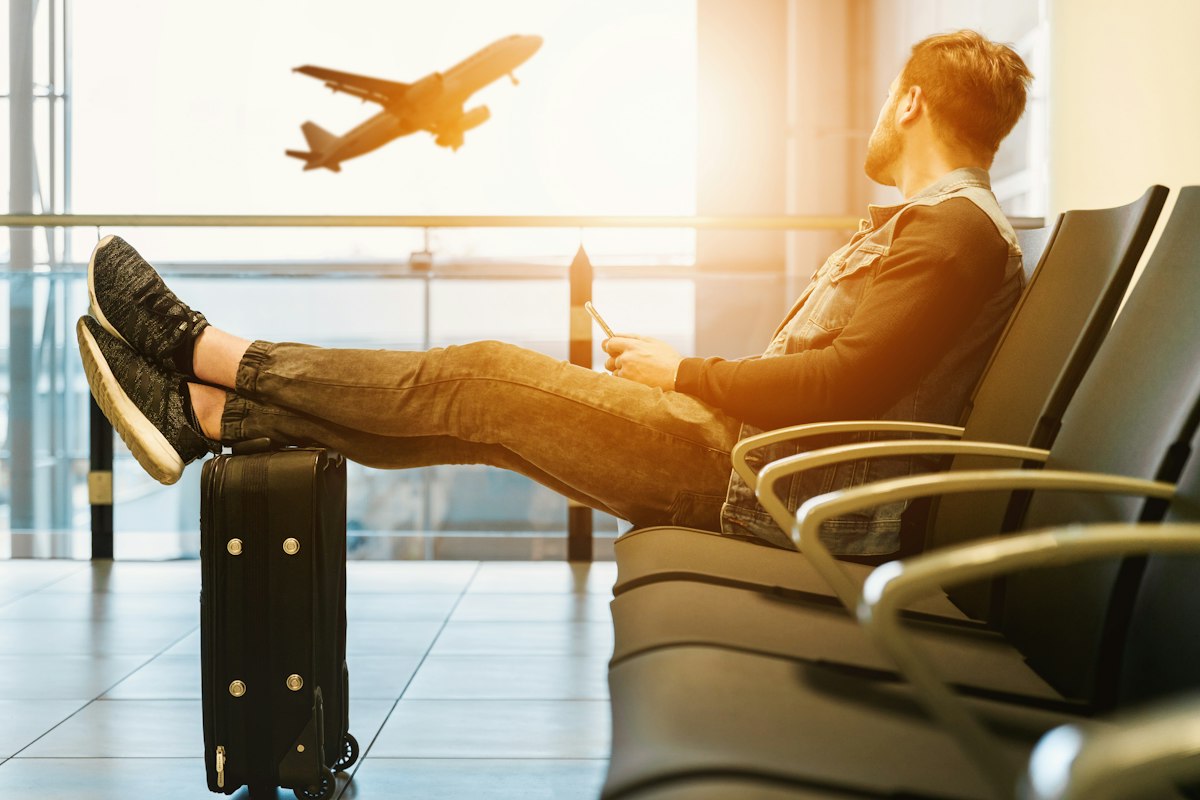
- Primary Signal: Airport Lounge Access Without a Credit Card: 6 Ways In That Most Travellers Miss
- Overview: You do not need a premium credit card to sit in an airport lounge. Day passes, airline status, memberships, and five other routes get you in, often for less than the cost of airpor...
- Verification: Analyzed and compiled by FreeSky Aerial editorial monitoring desk.
Airport lounges feel like a members-only club, but the door is more open than it looks. A premium credit card is the most advertised way in, and it is also the most expensive way in if you count the annual fee. There are at least six other routes into a lounge, and several of them cost less than a single airport meal for two people.
The simplest route is a day pass. Most lounges sell entry at the door or online, usually for $25 to $50, and booking through LoungeKey, Priority Pass, or the lounge's own website is often cheaper than paying at the desk. Compare the price with what you would spend in the terminal: a meal, two coffees, and a bottle of water at airport prices can reach $40 for one person, which makes a $35 lounge pass with food, drinks, Wi-Fi, and a quiet chair a reasonable deal on a long layover. The catch is capacity: lounges turn away day-pass guests when they are full, so arrive early or book ahead.
The second route is airline status, which does not require flying as much as people think. Many frequent flyer programs award lounge access at their mid-tier level, and status can be earned through a single long-haul trip in a premium cabin, through a status match from another airline, or through a status challenge that asks for a few flights in ninety days. Even entry-level status sometimes includes lounge vouchers. Check your program's benefits page before assuming you have nothing.
The third route is a lounge membership bought directly. Priority Pass Standard membership costs around $99 a year plus a per-visit fee, and it covers more than 1,300 lounges worldwide. LoungeKey and DragonPass work the same way. The math works if you visit lounges four or more times a year; below that, day passes are cheaper. The fourth route is a premium cabin ticket: business and first class tickets include lounge access automatically, and a cheap upgrade bid on a long flight sometimes costs less than two lounge passes.
The fifth route is the one most travelers miss: their employer, their bank, or their phone plan. Some employers include lounge access in corporate travel policies, some banks bundle it with current accounts rather than credit cards, and some mobile carriers offer it as a perk. The sixth route is a guest pass: if you are traveling with someone who has access, most lounges allow one or two guests, sometimes free and sometimes for a small fee. Ask your travel companion before you pay for your own entry.
The practical rule is to decide before you reach the airport. Check which lounges exist at your departure terminal, whether they accept day passes, and what they cost, and compare that with the length of your wait. A lounge is worth it on a layover of three hours or more, on an overnight delay, or when you need to work. On a one-hour wait with a coffee in hand, the terminal is fine. Access is not a luxury reserved for frequent flyers. It is a product with a price, and on the right trip, the price is worth paying.
Lounge etiquette is short and worth knowing before your first visit. Keep your voice down, do not take calls on speaker, do not stack plates at the buffet, and do not treat the lounge as an office with a conference call. Most lounges limit stays to three hours, and some enforce it during busy periods. A lounge is a shared quiet space, and the travelers who enjoy it most are the ones who treat it that way. The food is a perk, not a meal plan, and the staff notice who treats it as one.
📖 Continue Reading the Full Story
Continue reading this article on FreeSky Aerial.
⚡ Access Full Content NowMore from FreeSky Aerial


 💎 LuxeLiving 768
The World's Most Luxurious Airport Lounges in 2026
The world's best airport lounges now offer private suites, chef-designed dining, spas, and pools. Here are the...
 🤖 WinBar AI
TikTok Video Downloader: Save Videos Without Watermark
Download TikTok videos without watermark in HD. Free online tool, no app install, works on phone and desktop....
 ☁️ FreeSky Cloud
Oracle Cloud vs AWS Free VPS in 2026: Which Free Server Is Actually Better?
Oracle gives you a real server free forever; AWS gives you credits that expire. After Oracle's quiet 2026 cut,...
 🔭 FreeSky Cosmos
How to See Planets Tonight Without a Telescope: A Naked-Eye Guide
Five planets are visible without any equipment if you know where and when to look — here's how to find each on...