Is Flight Turbulence Dangerous? What Pilots Know That Passengers Do Not
- Primary Signal: Is Flight Turbulence Dangerous? What Pilots Know That Passengers Do Not
- Overview: Turbulence feels alarming, but modern aircraft are built for far worse than a bumpy ride. The real risk is to unbelted passengers, not the plane....
- Verification: Analyzed and compiled by FreeSky Aerial editorial monitoring desk.
Turbulence is the part of flying that even frequent travellers dread: the seatbelt sign chimes, the coffee trembles, and the aircraft drops and rises in ways that feel far bigger than they are. It is unnerving, but it helps to know what is actually happening. In almost every case, turbulence is uncomfortable rather than dangerous, and the aircraft is handling it well within its design limits.
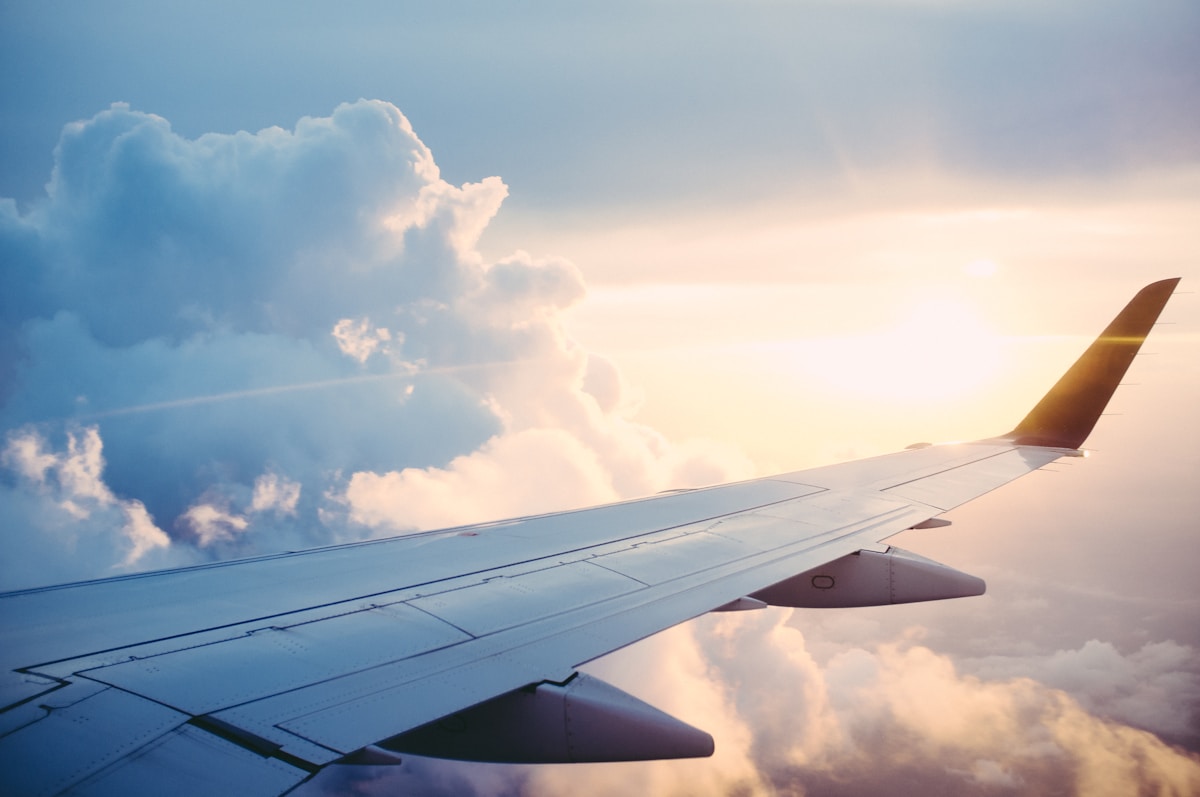
Turbulence is simply rough air. It happens when air moves unevenly, such as over mountains, near jet streams where fast and slow air masses meet, or inside and around thunderstorms. Pilots classify it from light, which feels like driving over a bumpy road, to severe, which is rare and can toss unsecured items around the cabin. Even severe turbulence is a ride-quality and safety issue for people and objects inside the cabin, not a structural threat to a modern airliner, which is engineered and tested to withstand forces far beyond anything encountered in normal service.
Pilots are not flying blind into rough air. Weather forecasts highlight likely turbulence areas before departure, and pilots receive reports from aircraft ahead on the same route, a system that lets them request a smoother altitude or a slight detour. Onboard weather radar shows storm cells to avoid, and air traffic control can approve altitude changes when a smoother level is available. Sometimes a short patch of turbulence is unavoidable, such as clear-air turbulence near a jet stream, which does not show up on radar, but crews still get advance warning from forecasts and other pilots.
The injury statistics tell a clear story: almost all turbulence injuries happen to people who are not wearing seatbelts, often crew members or passengers moving around the cabin when a bump arrives without warning. The aircraft itself very rarely suffers damage. That is why cabin crew ask you to keep your belt fastened even when the sign is off, and why they suspend service and sit down when turbulence is expected. A loosely fastened belt is enough: it does not need to be tight, just on, so a sudden drop cannot lift you out of your seat.
If turbulence starts, sit down, fasten your belt, stow loose items, and keep your feet clear of the aisle. Avoid hot drinks until the ride smooths out, and do not worry about the wing flexing: wings are designed to bend, and that flexing absorbs loads rather than signalling weakness. If you feel anxious, focus on steady breathing and remember that the crew deals with turbulence daily and will tell you if anything needs your attention. Bumpy air is a normal part of flying, not a sign that something is wrong.
Before departure, dispatchers and pilots review turbulence forecasts that highlight jet streams, mountain wave areas, and storm systems along the route. These forecasts are updated through the flight, and pilots share real-time reports with each other, so a crew approaching a bumpy area often knows about it long before passengers feel anything. When a smoother altitude is available, crews request it, and air traffic control usually approves if traffic allows. Sometimes the smoother level is only a thousand feet away, and the ride improves dramatically after a short climb or descent.
It is worth knowing that turbulence intensity is reported on a standard scale, and what feels dramatic in the cabin is usually classified as light or moderate. Severe turbulence is rare on commercial routes, and extreme turbulence rarer still. Crews are trained to handle both, including securing the cabin and, if needed, changing course. The system is built on layers: forecast, report, avoid where possible, and ride through the rest with seatbelts on.
📖 Continue Reading the Full Story
Continue reading this article on FreeSky Aerial.
⚡ Access Full Content NowMore from FreeSky Aerial



 ⚡ CyberTech 568
Best Free AI Voice Changer for Gaming in 2026
A good voice changer adds fun to game night without lag or robotic audio. Compare the best free options for Di...
 🤖 WinBar AI
How to Spot Sharp Money Movement in Betting Odds Before the Line Settles
Sharp money is professional cash moving odds before the public catches on. Here is how to read reverse line mo...
 ☁️ FreeSky Cloud
VPS Backup Automation Guide: Set It Once and Stop Worrying
A practical, step-by-step guide to vps-backup-automation-guide, with the common mistakes to avoid and a reusab...
 🔭 FreeSky Cosmos
How to Find Planets in the Night Sky: A Beginner's Guide Without a Telescope
You can spot Venus, Jupiter, Mars, and Saturn with the naked eye. The trick is knowing they shine steadily, mo...