How to Fly a Drone in the USA: FAA Rules Every Traveller Must Know
- Primary Signal: How to Fly a Drone in the USA: FAA Rules Every Traveller Must Know
- Overview: How to fly a drone in the USA: FAA rules for recreational and commercial pilots, registration, airspace and the TRUST test....
- Verification: Analyzed and compiled by FreeSky Aerial editorial monitoring desk.
The United States has some of the clearest drone rules in the world, but they still catch travellers who assume the rules from home apply. The FAA splits flying into recreational and commercial, and the requirements differ sharply between them. This guide explains the rules every traveller must know before flying in the USA.
Recreational vs Commercial Flying
Recreational flying is for fun and personal use, while commercial flying is any flight for business, including YouTube videos that earn money. Recreational pilots must pass the free TRUST test online and carry the certificate, while commercial pilots need a Part 107 licence, which requires a written exam. The distinction matters: a travel video that earns ad revenue is commercial flying, even if you filmed it for fun.
Registration and Remote ID
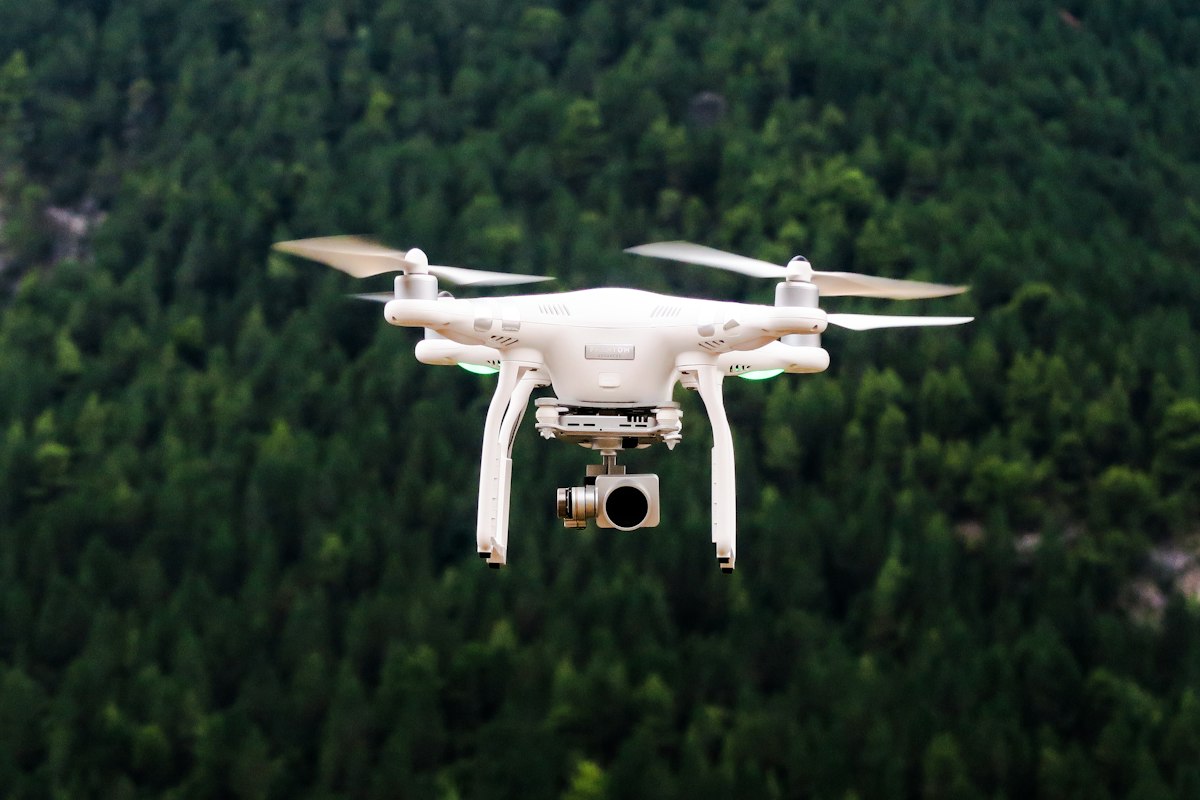
Drones weighing 250g or more must be registered with the FAA, at $5 for three years, and the registration number must be displayed on the drone. Most drones must also broadcast Remote ID, a signal that identifies the drone and its pilot in flight. Sub-250g recreational drones without Remote ID are the main exception, but any drone with a camera used commercially still needs registration. Register online before your first flight, not after.
Where You Can and Cannot Fly
You must fly below 400 feet, keep the drone in sight, and never fly over people, moving vehicles, or emergency operations. Controlled airspace near airports requires authorisation through the LAANC system, which usually approves instantly for low altitudes. National parks ban drone takeoffs and landings, and many state parks restrict them too. Check the FAA's B4UFLY app before every flight: it shows airspace restrictions for your exact location.
The TRUST Test and Part 107
The TRUST test is free, online, and takes about 30 minutes, covering the basic rules of safe flying. It is required for every recreational pilot, and you must carry the certificate when you fly. Part 107 is a harder exam covering airspace, weather and regulations, and it is required for any commercial work. If you plan to earn money from your drone footage, get Part 107 before you fly, not after the client asks.
Travelling to the USA With a Drone
Foreign visitors can fly recreationally in the USA by registering their drone and passing the TRUST test, both of which can be done online. Commercial visitors need Part 107, which requires a US address for the certificate. Carry batteries in hand luggage, check your airline's rules, and remember that your home country's registration means nothing to the FAA. The rules are simple and the penalties for ignoring them are steep, so spend the hour to comply.
Flying a Drone as a Visitor
Visitors to the US can fly a drone, but the process is different: you cannot take the TRUST test without a US address, so foreign visitors register through the FAA's foreign operator process and fly under Part 107 rules. Check the requirements before you travel, because the registration takes time and the rules are enforced. The same principle applies in reverse: a US pilot flying in Europe needs the EASA registration, and a European pilot flying in the US needs the FAA process. Drone rules are local, and the traveller's job is to learn the local rules before the drone leaves the bag.
Key Takeaways
- Recreational pilots need the free TRUST test; commercial pilots need Part 107 - Drones over 250g must be registered with the FAA for $5 - Fly below 400 feet, keep the drone in sight, and check B4UFLY before every flight - National parks ban drone takeoffs; controlled airspace needs LAANC authorisation
Frequently Asked Questions
Do I need a licence to fly a drone in the USA? For fun, you need the free TRUST test and registration if your drone weighs 250g or more. For any commercial work, including monetised videos, you need a Part 107 licence.
US drone rules are clear and the penalties are steep. Take the TRUST test, register the drone, and check the app before every flight.
More from FreeSky Aerial