How Planes Stay in the Air: Lift Explained in Simple Terms
Executive Brief & Key Takeaways
- Primary Signal: How Planes Stay in the Air: Lift Explained in Simple Terms
- Overview: How planes stay in the air, explained simply: lift, the four forces of flight, angle of attack, and why takeoff happens when lift finally exceeds weight....
- Verification: Analyzed and compiled by FreeSky Aerial editorial monitoring desk.
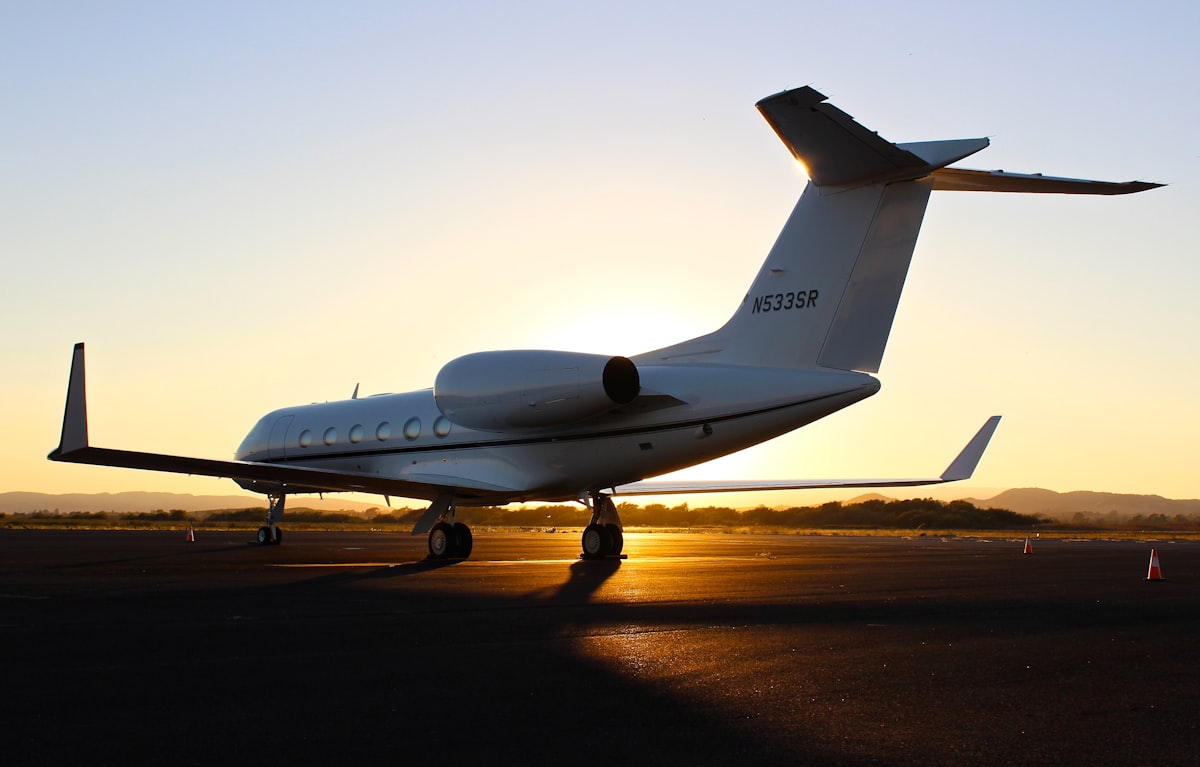
How does a machine weighing hundreds of tonnes stay in the air? The answer is lift, produced by wings moving through air, balanced against weight, thrust, and drag.
A wing's shape makes air behave differently above and below it, creating a pressure difference that pushes upward. The wing also deflects air downward, and the reaction adds to lift.
Pilots control lift with speed and angle of attack. Takeoff is the moment lift exceeds weight, and flaps let wings generate lift at the slower speeds used for landing.
In cruise, the four forces balance and the plane glides steadily on fast-moving air. Lift is not magic; it is physics working reliably on every flight.
📌 EXPLORE NEXT IN AVIATION
Carry-On Size Limits by Airline in 2026: The Complete Comparison
More from FreeSky Aerial