How Pilots Handle Turbulence: What Really Happens in Rough Air
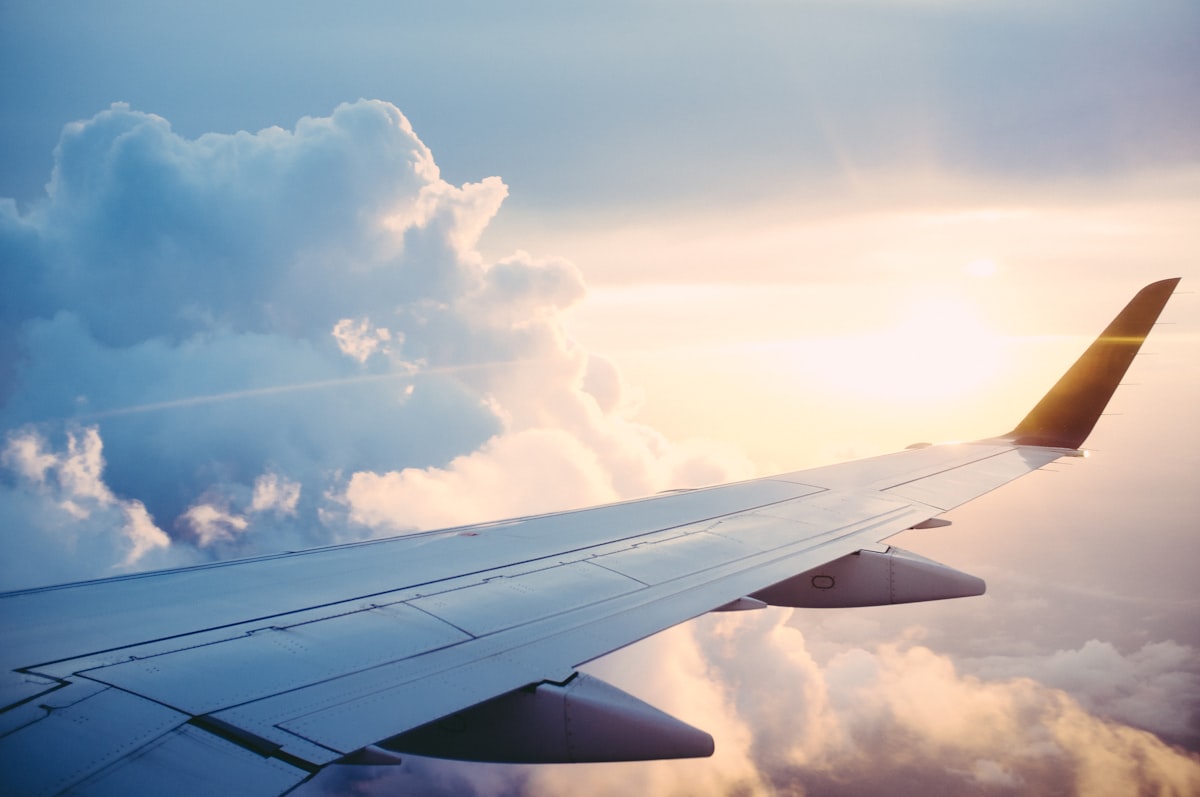
- Primary Signal: How Pilots Handle Turbulence: What Really Happens in Rough Air
- Overview: How pilots handle turbulence: what they see in the cockpit, why they slow down, when they change altitude, and why modern airliners are built to ride out rough air safely....
- Verification: Analyzed and compiled by FreeSky Aerial editorial monitoring desk.
Turbulence frightens passengers more than anything else in flight, yet it is what pilots worry about least. Understanding what happens in the cockpit closes that gap.
Turbulence is uneven air: rising currents, wind shear, and wake from terrain or other aircraft. The plane is not falling; it is moving through air that is itself moving.
Pilots slow to a turbulence penetration speed, change altitude or route when possible, and keep the cabin secure. Pilot reports from aircraft ahead give advance warning of rough patches.
Modern airliners are certified to withstand far stronger turbulence than routine flights encounter. The real risk is to unsecured people and objects, which is why seatbelts matter.
📖 Continue Reading the Full Story
Continue reading this article on FreeSky Aerial.
⚡ Access Full Content NowMore from FreeSky Aerial



 🤖 WinBar AI
How Do AI Voice Agents Handle 24/7 Betting Platform Support?
Matches run around the clock and players call at 2 AM. How AI voice agents give betting platforms 24/7 helplin...
 🔭 FreeSky Cosmos
How Can an AI Receptionist Handle Space-Tourism Inquiries Around the Clock?
Space-tourism inquiries arrive from every time zone at every hour. An AI voice receptionist answers your line ...
 ⚡ CyberTech 568
Best Free AI Voice Changer for Gaming in 2026
A good voice changer adds fun to game night without lag or robotic audio. Compare the best free options for Di...
 ☁️ FreeSky Cloud
Best Free Tier Cloud Hosting 2026: Host Projects Without Paying
Compare the best free tier cloud hosting options for 2026, including what is genuinely free, what limits apply...