How Planes Stay in the Air: Lift Explained in Simple Terms
- Primary Signal: How Planes Stay in the Air: Lift Explained in Simple Terms
- Overview: How planes stay in the air, explained simply: lift, the four forces of flight, angle of attack, and why takeoff happens when lift finally exceeds weight....
- Verification: Analyzed and compiled by FreeSky Aerial editorial monitoring desk.
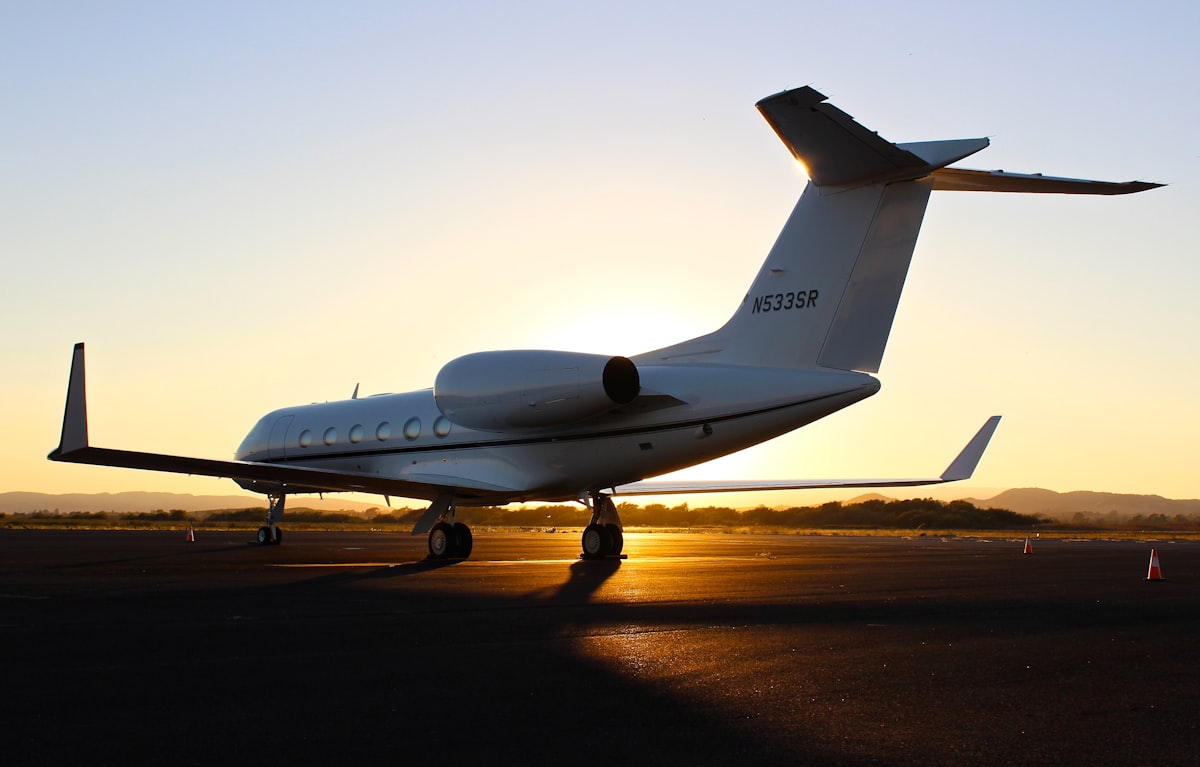
How does a machine weighing hundreds of tonnes stay in the air? The answer is lift, produced by wings moving through air, balanced against weight, thrust, and drag.
A wing's shape makes air behave differently above and below it, creating a pressure difference that pushes upward. The wing also deflects air downward, and the reaction adds to lift.
Pilots control lift with speed and angle of attack. Takeoff is the moment lift exceeds weight, and flaps let wings generate lift at the slower speeds used for landing.
In cruise, the four forces balance and the plane glides steadily on fast-moving air. Lift is not magic; it is physics working reliably on every flight.
📖 Continue Reading the Full Story
Continue reading this article on FreeSky Aerial.
⚡ Access Full Content NowMore from FreeSky Aerial



 🤖 WinBar AI
What Is Expected Value in Sports Betting? A Simple Explanation
Expected value is the single most important math concept in betting. Learn what positive EV means, how bettors...
 ⚡ CyberTech 568
Best Free AI Voice Changer for Gaming in 2026
A good voice changer adds fun to game night without lag or robotic audio. Compare the best free options for Di...
 ☁️ FreeSky Cloud
Best Free Tier Cloud Hosting 2026: Host Projects Without Paying
Compare the best free tier cloud hosting options for 2026, including what is genuinely free, what limits apply...
 🔭 FreeSky Cosmos
What Is a Nebula? A Beginner's Guide to the Clouds Where Stars Are Born
Nebulae are the glowing clouds of gas and dust where stars are born and where dying stars leave their mark. Th...