Power Bank Rules on Flights in 2026: How Many Can You Carry?
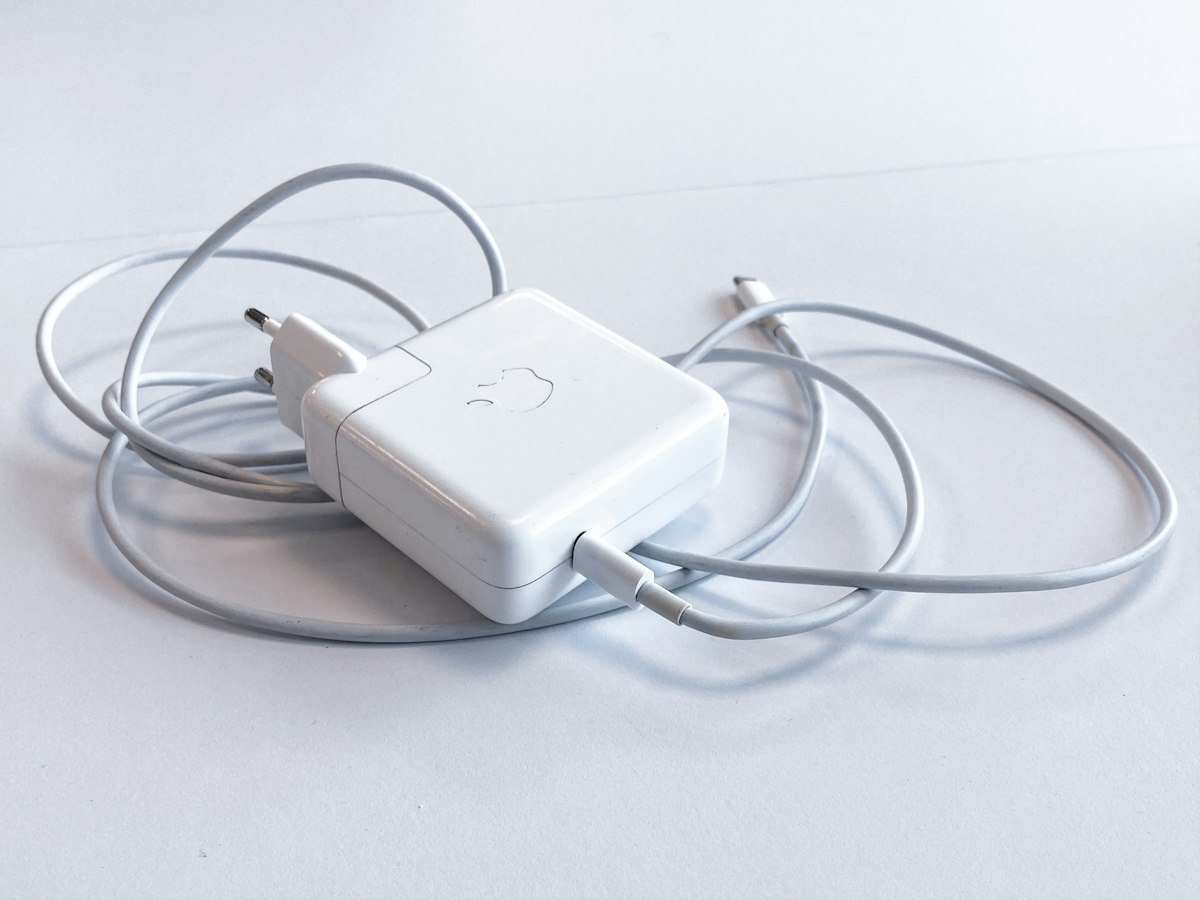
- Primary Signal: Power Bank Rules on Flights in 2026: How Many Can You Carry?
- Overview: Power bank rules tightened sharply in 2026, with new caps per passenger and bans on using them in flight. Here is what you can carry, where it must go, and what changed....
- Verification: Analyzed and compiled by FreeSky Aerial editorial monitoring desk.
For years, travellers treated power banks as an afterthought — toss a couple in the bag, charge the phone on the plane, no questions asked. That changed in 2026. After a string of cabin fires linked to lithium batteries, airlines and regulators tightened the rules sharply: caps on how many power banks you can carry, requirements to keep them accessible rather than in the overhead bin, and bans on using or charging them during the flight. The rules are not identical everywhere, which is why so many travellers get caught out at the gate. This guide covers the current picture.
The Core Rule: Carry-On Only, Under 100 Watt-Hours
The foundation has not changed: spare lithium batteries, including power banks, must travel in carry-on baggage, never in checked luggage. That is because a battery fire in the cabin can be dealt with by the crew, while a fire in the hold cannot. Airlines measure batteries in watt-hours, not milliamp-hours — a typical 10,000 milliamp-hour power bank is around 37 watt-hours, and a 26,800 milliamp-hour bank is around 96 watt-hours, just under the key threshold. Batteries up to 100 watt-hours are generally allowed without approval; those between 100 and 160 watt-hours need airline approval and are limited to two per person; anything above 160 watt-hours is forbidden on passenger aircraft.
The watt-hour figure is usually printed on the power bank itself. If it is not, you can calculate it by multiplying the voltage by the amp-hour rating — or simply check the manufacturer's specifications before you pack. A power bank with no marking at all is a risk at security, because screeners cannot verify its size; if yours has no label, consider replacing it before an important trip.
What Changed in 2026
The headline change is the two-power-bank cap. International guidance updated in March 2026 limits passengers to two power banks of up to 100 watt-hours each, and several major airlines have adopted it directly. American Airlines capped power banks at two per passenger from May 2026, each under 100 watt-hours, kept accessible and not in the overhead bins, with no in-flight charging. The Lufthansa Group — Lufthansa, SWISS, Austrian, Brussels Airlines and Eurowings — has applied a similar two-bank limit since January 2026, also keeping them out of overhead bins and banning use or charging on board.
The logic behind keeping them accessible is simple: if a battery starts to smoke, the crew needs to reach it immediately, not open an overhead bin mid-flight. The ban on in-flight charging follows the same logic — charging is when batteries are most likely to fail. Camera and drone batteries are treated separately from power banks under most of these rules: American Airlines, for example, still allows up to four spare lithium-ion batteries under 100 watt-hours plus two between 100 and 160 watt-hours in carry-on. That distinction matters for photographers, but it is also a source of confusion, because USB-C-charging camera batteries are sometimes mistaken for power banks at security.
Packing Power Banks for a Flight
Pack power banks in your personal item or in a pocket of your carry-on that stays under the seat, not in the overhead bin — that is now an explicit requirement on several airlines, not just advice. Protect the terminals with the original case, a sleeve, or tape, so they cannot short against keys or coins. Carry the two you actually need rather than three, and if you need more capacity, remember that a larger power bank under 100 watt-hours beats two small ones for weight and simplicity. Keep the receipt or the specification page on your phone in case a screener asks about the capacity.
Check the specific airline's policy before every flight, because the rules are still converging and carriers differ in the details. A policy that was true in January may have changed by November, and the airline's own restricted-items page is the authority — not a travel blog, including this one. Rules also differ for international versus domestic flights on some carriers, so check the route, not just the airline. Two minutes of checking before you pack beats a power bank confiscated at the gate.
Frequently Asked Questions
Q: Can I bring a power bank in checked luggage?
A: No. Spare lithium batteries and power banks must always travel in carry-on baggage. A device with a battery installed can go in checked luggage if it is switched off.
Q: How many power banks can I take on a plane in 2026?
A: The current international guidance and several major airlines cap it at two power banks per passenger, each under 100 watt-hours, kept accessible in the cabin.
Q: Can I charge my phone from a power bank during the flight?
A: On several major airlines, no — 2026 rules ban using or charging power banks on board. Check your airline's policy, and charge devices before boarding instead.
📖 Continue Reading the Full Story
Continue reading this article on FreeSky Aerial.
⚡ Access Full Content NowMore from FreeSky Aerial

 🌍 FreeSky Remote
How to Invoice Clients as a Freelancer in 2026: Template, Terms and Payment Tips
Invoicing is where freelance work turns into money, and sloppy invoices are the fastest way to ruin your cash ...
 ☁️ FreeSky Cloud
Homelab Starter Guide 2026: Build Your First Home Server for Under $300
You do not need a rack of enterprise hardware to start a homelab. A used mini PC, a few free services, and one...
 🔭 FreeSky Cosmos
Northern Taurids Meteor Shower November 2026: Peak Dates and How to Watch
The Northern Taurids peak on November 11-12, 2026, under a slim crescent moon. Expect a slow trickle of bright...
 🗺️ FreeSky GeoData
Best QGIS Plugins in 2026: 10 Tools That Save Hours on Every Project
A curated, tested shortlist of the best QGIS plugins for basemaps, OpenStreetMap queries, classification, prof...