How to Fly a Drone for the First Time: A Calm, Step-by-Step First Flight Plan
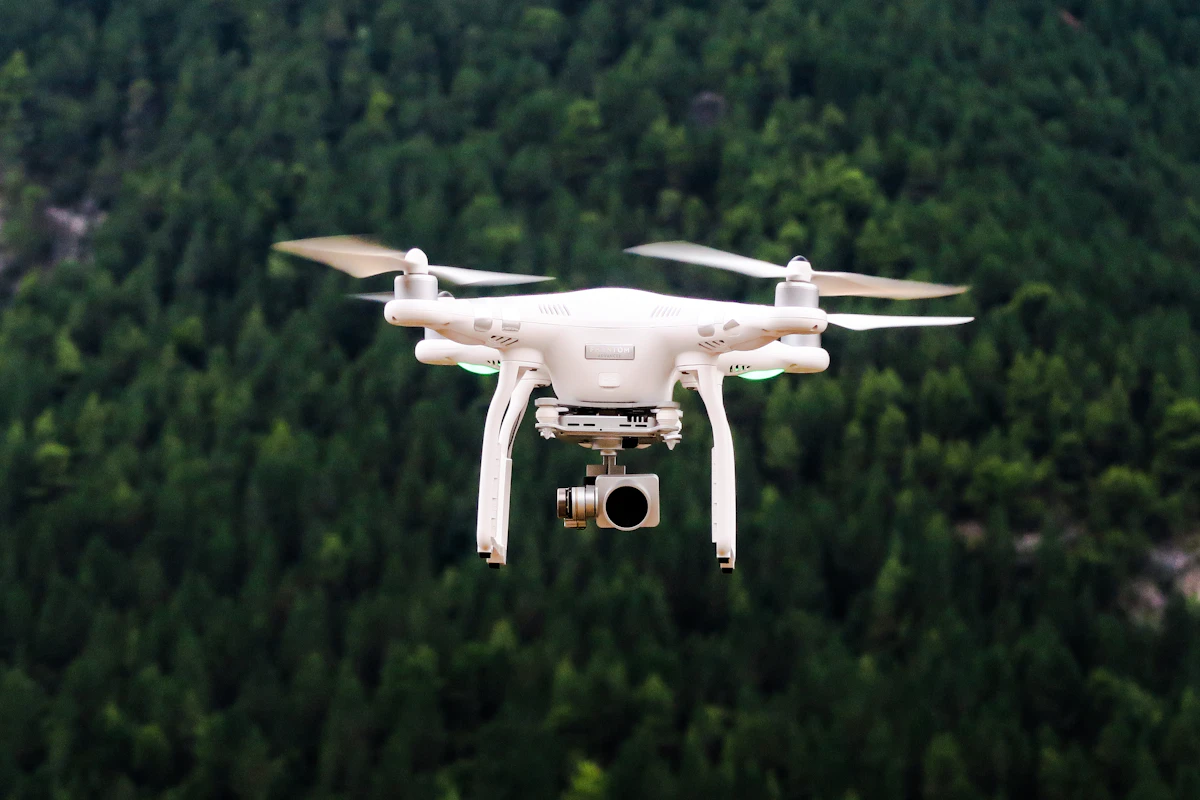
- Primary Signal: How to Fly a Drone for the First Time: A Calm, Step-by-Step First Flight Plan
- Overview: Your first drone flight should be boring, and that is a compliment. This step-by-step plan covers rules, checks, and a short practice routine that gets you airborne safely without ...
- Verification: Analyzed and compiled by FreeSky Aerial editorial monitoring desk.
Every new drone pilot remembers their first flight, and the good stories all sound the same: a calm field, a short hover, and a gentle landing. The bad stories also sound the same: a gust of wind, a rushed takeoff, and a drone in a tree. The difference is rarely talent. It is preparation, and preparation is easy to copy.
This plan assumes you have a small camera drone and a wide open space. It walks through the rules to check, the checks to run, and a first practice session that builds real skill instead of false confidence. Take it slowly. A drone rewards patience far more than daring.
Check the rules for where you plan to fly. Many countries require registration for drones above a certain weight, a basic safety test for recreational flying, and permission before flying in controlled airspace near airports. Rules vary by country and change over time, so check the official aviation authority guidance for your location rather than relying on a forum post.
Charge everything fully, update the app and firmware at home on Wi-Fi, and pack spare propellers if you have them. Check the weather forecast for wind, not just rain: small drones struggle in gusts that feel mild on the ground. A calm morning is worth more than any feature on the drone.
At the field, pick a flat takeoff spot away from people, roads, trees, and water. Power on the controller first, then the drone, and wait for a strong satellite lock and a recorded home point before taking off. Skipping this wait is one of the most common beginner mistakes, because without a home point the return-to-home safety feature cannot work properly.
Run a quick physical check: propellers secure and undamaged, battery clicked in firmly, camera gimbal free to move, and no warning messages in the app. Set the return-to-home height above the tallest nearby obstacle, and confirm the beginner or speed-limit mode is on if your drone offers one. These two minutes of checks prevent most first-flight accidents.
Keep the first session to short, simple exercises. Take off to a low hover, hold position for thirty seconds, then land. Repeat that until it feels dull. Then practise gentle forward flight, slow turns, and landing on a marked spot. The goal is smooth control, not distance or height, and every skill you learn low and close transfers to everything you fly later.
End the session while you still have battery to spare, and review your footage calmly at home. Notice what was shaky and what was smooth, and pick one skill to practise next time. Pilots who progress one skill at a time become confident safely. Pilots who try everything on day one usually meet a tree.
The most common beginner mistake is flying too far, too fast, on the first day. Distance hides problems: a drone that is a speck in the sky is hard to orient, hard to judge against wind, and slow to bring home if the battery warns. Keep the first flights close enough that you can see which way the drone faces without checking the screen.
The second mistake is ignoring wind. A breeze that feels gentle on your face can push a small drone sideways faster than a beginner can correct, and gusts near buildings and trees are stronger than in open ground. If the drone struggles to hold position in a hover, land and wait for calmer air. There will always be another calm day, but there may not be another drone.
📖 Continue Reading the Full Story
Continue reading this article on FreeSky Aerial.
⚡ Access Full Content NowMore from FreeSky Aerial


 ⚡ CyberTech 568
Step-by-Step Tutorial: Playback Speed Calculator — Video Time at Any Speed (Day 2 Guide)
How to accurately use the Playback Speed Calculator — Video Time at Any Speed on CyberTech 568. Discover essen...
🤖 WinBar AI
Step-by-Step Tutorial: YouTube Thumbnail Downloader & Grabber — 4K (Day 2 Guide)
How to accurately use the YouTube Thumbnail Downloader & Grabber — 4K on WinBar AI. Discover essential practic...
 📦 Free2Rich Vault
The Pay Yourself First Budgeting Method: A Step-by-Step Guide for Beginners
The pay yourself first method flips the usual budgeting order: savings leave your account on payday, and you b...
 🗺️ FreeSky GeoData
Land Surface Temperature Mapping With Landsat in QGIS: A Step-by-Step Guide
Landsat's thermal band lets you map surface temperature across a whole city or landscape. This guide walks thr...