Golden Hour Drone Photography: Settings and Shots That Make Aerials Glow
- Primary Signal: Golden Hour Drone Photography: Settings and Shots That Make Aerials Glow
- Overview: Golden hour is the best light a drone pilot will ever get, and it lasts about an hour. The right settings, the right angle, and five reliable shot types make the most of it....
- Verification: Analyzed and compiled by FreeSky Aerial editorial monitoring desk.
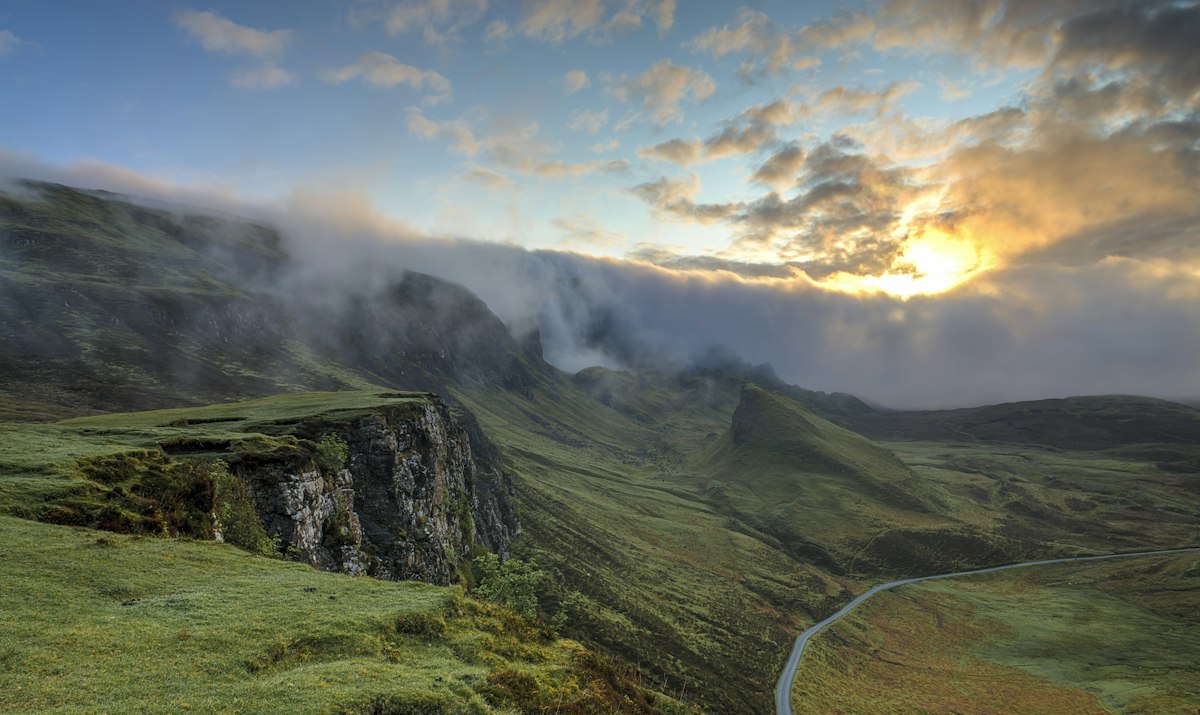
Every drone pilot knows the feeling: the sun drops low, the light turns warm and soft, long shadows stretch across the landscape, and for about an hour the world looks like it was lit for a film. Golden hour — the hour after sunrise and the hour before sunset — is the most forgiving and most flattering light in aerial photography, and it is also the most wasted, because pilots arrive unprepared and spend the best minutes fumbling with settings. A little planning turns that hour into the best footage of the trip.
Why Golden Hour Flatters Aerial Photos
Low sun does three things that midday light cannot. It adds warm colour to everything it touches, turning ordinary fields, water and rooftops into something worth photographing. It rakes across the ground at a shallow angle, so texture — ploughed fields, dunes, rooftops, waves — casts long shadows that reveal shape and depth from above. And it lowers the contrast between sky and ground, so a drone camera with limited dynamic range can hold detail in both at once instead of blowing out the sky or crushing the shadows. That is why the same location can look dull at noon and extraordinary at six in the evening.
The window is short, so timing matters more than gear. Arrive at the location at least twenty minutes before the light turns, with batteries charged, the shot list decided, and the drone already calibrated. The best light often comes in the last twenty minutes before sunset, when the sun is lowest — and it disappears fast, so plan to land with battery to spare rather than chasing the final seconds of light with a warning on screen.
Settings That Work in Low Warm Light
Start by locking the white balance. Auto white balance will fight the warmth you are trying to capture, cooling the image back toward neutral and throwing away the golden colour that makes the shot. Set it manually to around 5500 to 6500 Kelvin and adjust from there — the exact number matters less than consistency across the shoot. Shoot in RAW for stills if your drone supports it, because RAW preserves the highlight and shadow detail that a JPEG throws away, and golden hour is exactly when that detail matters most.
For video, keep the shutter speed at roughly twice the frame rate — 1/50th of a second for 24 frames per second — and use an ND filter to hold that shutter speed as the light fades, stepping down the filter strength as the sun drops. That shutter speed is what gives motion its smooth, cinematic blur instead of a jittery, choppy look. Keep the ISO as low as the light allows, and expose for the highlights: a slightly dark image can be lifted in editing, but a blown-out sun or sky cannot be recovered.
Five Shots That Always Work
The top-down shadow shot is the simplest: fly directly above a subject — a lone tree, a boat, a person walking — and let its long shadow become the composition. The low sun flare shot puts the sun at the edge of the frame, with the landscape falling away beneath it. The long-shadow landscape works at an oblique angle, with the camera tilted to catch shadows stretching across fields or dunes. The water reflection shot uses the low sun's glitter path across a lake or the sea, best with the camera looking slightly away from the sun. And the silhouette shot places a strong shape — a pier, a cliff, a building — against the bright sky, exposing for the sky and letting the subject go dark. Five shots, one location, and you have a set that looks intentional rather than accidental.
Practice the moves before golden hour arrives, because the light will not wait while you learn them. Fly the route once in flat light, note the altitudes and angles that work, and then fly the same route when the light turns. That is the difference between a pilot who got lucky once and a pilot who delivers golden hour shots every time.
Frequently Asked Questions
Q: What time is golden hour for drone photography?
A: Roughly the first hour after sunrise and the last hour before sunset. The exact times shift with the season and your latitude — check a sun tracker app for your location.
Q: Do I need ND filters for golden hour?
A: For video, yes — they let you hold a cinematic shutter speed as the light changes. For stills, they are less important, since shutter speed is flexible.
Q: Should I shoot golden hour in RAW or JPEG?
A: RAW if your drone supports it. Golden hour has the widest range of tones in the day, and RAW preserves the highlight and shadow detail that makes editing worthwhile.
📖 Continue Reading the Full Story
Continue reading this article on FreeSky Aerial.
⚡ Access Full Content NowMore from FreeSky Aerial

 🗺️ FreeSky GeoData
Best QGIS Plugins in 2026: 10 Tools That Save Hours on Every Project
A curated, tested shortlist of the best QGIS plugins for basemaps, OpenStreetMap queries, classification, prof...
 🛍️ Caylin Shop
Sunset Projection Lamp Buying Guide: How to Get the Golden Hour Glow at Home
The sunset projection lamp is the creator-favourite gadget behind half the golden-hour photos on Instagram — h...
 ⚡ CyberTech 568
Step-by-Step Tutorial: Playback Speed Calculator — Video Time at Any Speed (Day 2 Guide)
How to accurately use the Playback Speed Calculator — Video Time at Any Speed on CyberTech 568. Discover essen...
🤖 WinBar AI
Step-by-Step Tutorial: YouTube Thumbnail Downloader & Grabber — 4K (Day 2 Guide)
How to accurately use the YouTube Thumbnail Downloader & Grabber — 4K on WinBar AI. Discover essential practic...