Can You Fly a Drone Near an Airport? Rules, Distances and LAANC Explained
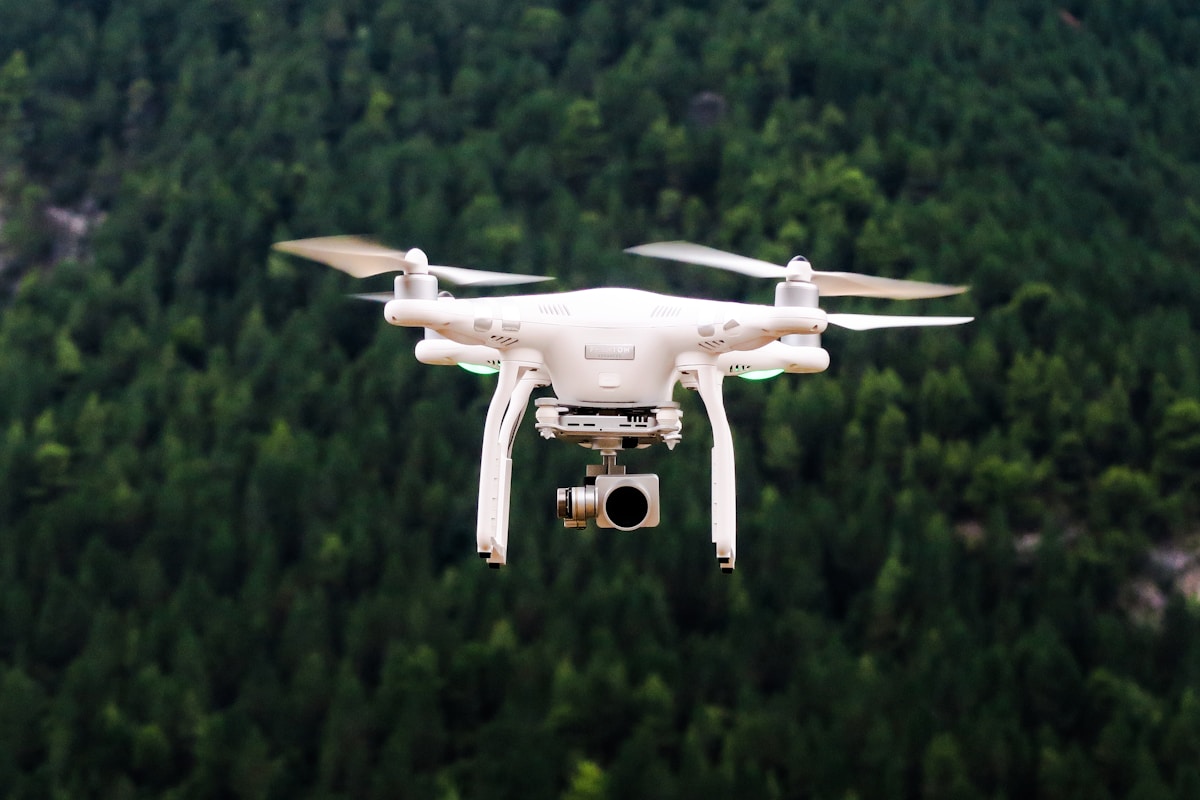
- Primary Signal: Can You Fly a Drone Near an Airport? Rules, Distances and LAANC Explained
- Overview: Flying a drone near an airport is legal only with the right authorization. This guide explains controlled airspace, LAANC approvals and the checks to run before every flight....
- Verification: Analyzed and compiled by FreeSky Aerial editorial monitoring desk.
The short answer is that you usually cannot just take off near an airport and fly. Airports sit inside controlled airspace, which means drone flights there need prior authorization from the aviation authority. This surprises many beginners, because the sky above a suburban park a few miles from a runway looks empty. In reality, that airspace is managed to keep arriving and departing aircraft separated, and a small drone can be a genuine hazard to a plane on final approach, even though it weighs less than a bag of sugar.
Controlled airspace comes in classes, and the class determines what you must do. Around major airports you will find Class B airspace, around mid-sized airports Class C, and around smaller towered airports Class D. Surface-level Class E airspace also surrounds some airports. In all of these, recreational and commercial pilots alike need authorization before flying. The good news is that for routine flights below 400 feet, that authorization is now usually available in near real time through LAANC, the Low Altitude Authorization and Notification Capability.
LAANC works through approved apps and websites, including the FAA's B4UFLY service providers. You open the app, check your location on the map, and see the maximum altitude the system may approve in that grid square. If your planned flight fits, you submit a request for a specific time window, often up to four hours, and approval typically arrives within seconds. LAANC covers roughly four out of five controlled-airspace areas in the United States, so most airport-adjacent requests are handled this way rather than through a slow manual waiver.
There are limits to what LAANC can approve. It only covers flights at or below 400 feet above ground level, and it cannot authorize flights in prohibited areas, over certain security-sensitive sites, or inside temporary flight restrictions. If your request is denied or the area is not LAANC-enabled, the fallback is a manual authorization request through the FAA's DroneZone portal, which can take days or weeks. Night flights, flights over people and beyond-visual-line-of-sight operations each carry their own separate rules and, in some cases, still need a formal waiver.
Authorization for the airspace is only half the job. Airspace approval does not grant permission to take off from the ground beneath it. Parks, private land, school grounds and local council areas may ban launching and landing even where the sky above is open. Check local rules for your launch point as well as the airspace above it, and remember that national parks in many countries ban drone operations outright unless a special permit has been granted.
A practical pre-flight routine takes about five minutes and prevents most problems. First, open B4UFLY or your local equivalent and confirm the airspace status for your exact launch point. Second, check for temporary flight restrictions, which can appear for wildfires, major sporting events, VIP movements and space launches. Third, request LAANC authorization if you are in controlled airspace, and keep the approval on your phone. Fourth, confirm your drone's Remote ID is broadcasting if your jurisdiction requires it.
Finally, keep your flight conservative near airports even when you are authorized. Stay at or below your approved altitude, keep the drone within visual line of sight, and land immediately if you hear or see a manned aircraft approaching. Authorization is permission to share the sky, not ownership of it. Pilots who treat airport-adjacent flying with this discipline rarely run into trouble, and they help keep the privilege of drone access open for everyone else.
One last point is worth repeating: the rules around airports change, and they change more often than most pilots realise. New restrictions appear for events, emergencies and construction, and LAANC grids get updated as airspace designs change. Make the five-minute airspace check a permanent part of your routine, not something you do only when flying somewhere new, and you will rarely be caught out by a rule you did not know existed.
📖 Continue Reading the Full Story
Continue reading this article on FreeSky Aerial.
⚡ Access Full Content NowMore from FreeSky Aerial


 ⚡ CyberTech 568
Step-by-Step Tutorial: Playback Speed Calculator — Video Time at Any Speed (Day 2 Guide)
How to accurately use the Playback Speed Calculator — Video Time at Any Speed on CyberTech 568. Discover essen...
🤖 WinBar AI
Step-by-Step Tutorial: YouTube Thumbnail Downloader & Grabber — 4K (Day 2 Guide)
How to accurately use the YouTube Thumbnail Downloader & Grabber — 4K on WinBar AI. Discover essential practic...
 🏆 2026 World Cup Central
World Cup 2026 Ticket Resale Rules Explained: Official Platform, Transfers and Scams to Avoid
FIFA's own resale platform is the only authorised secondary market, and Mexico's resale rules differ from the ...
 ☁️ FreeSky Cloud
ROI & Value Audit: GST Calculator — Add or Extract GST & VAT (Day 15 Guide)
How to save time and eliminate guesswork with GST Calculator — Add or Extract GST & VAT on FreeSky Cloud. Disc...