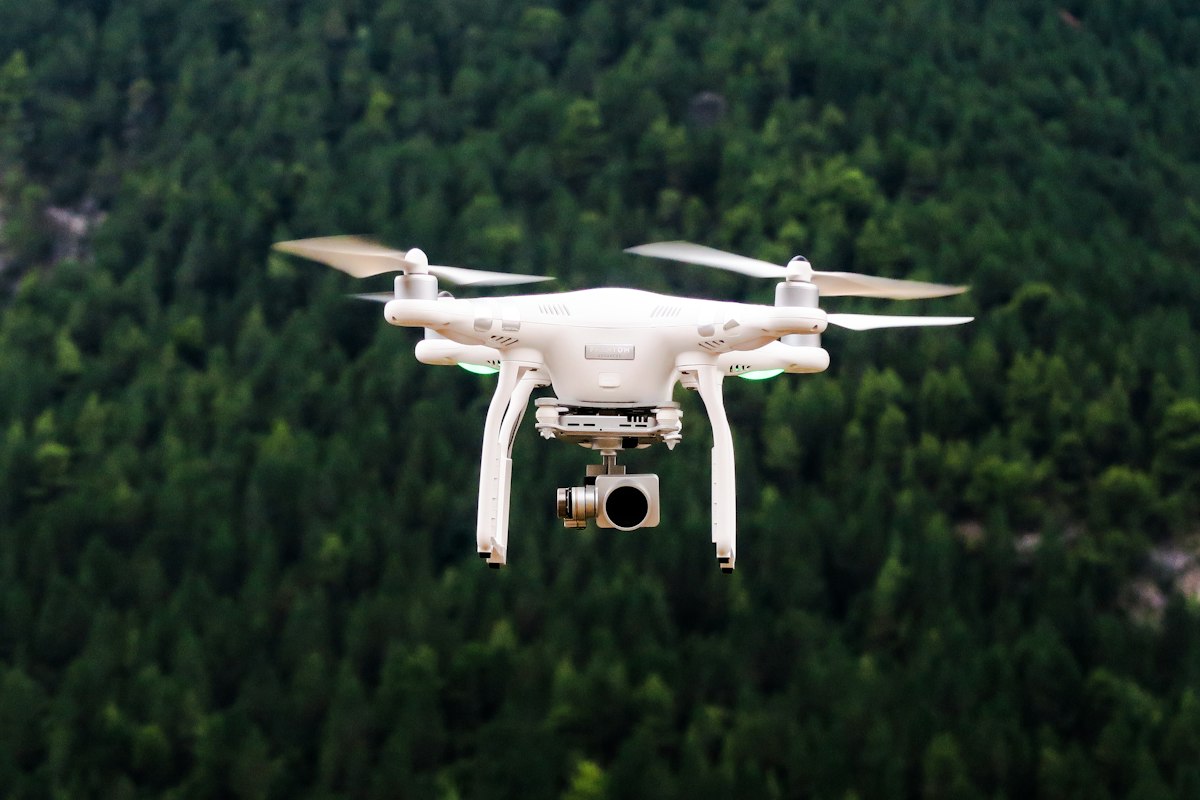
Drone Photography Settings for Beginners: Sharp Photos From Your First Flight
- Primary Signal: Drone Photography Settings for Beginners: Sharp Photos From Your First Flight
- Overview: Drone photos fail for the same reasons: wrong settings, bad light, shaky composition. This guide explains the camera settings, the light and the compositions that make aerial photo...
- Verification: Analyzed and compiled by FreeSky Aerial editorial monitoring desk.
Drone photography looks easy until you look at your first photos and wonder why they are flat, hazy and boring. The problem is rarely the drone — modern drones have excellent cameras. The problem is settings, light and composition, the same three things that matter in any photography, made harder by the fact that you are shooting from a moving platform hundreds of feet in the air. Get those three right, and your aerial photos will look like the ones that made you buy a drone in the first place.
The camera settings that matter
Start with the basics: shoot in RAW if your drone supports it, because RAW files hold far more detail for editing than JPEGs. Set your ISO as low as possible, usually 100, to keep the image clean. Use a shutter speed of at least 1/250th of a second to freeze motion, and faster if it is windy. Set your white balance manually rather than leaving it on auto, because auto white balance shifts colour between shots and makes a series of photos look inconsistent. And shoot in the drone's photo mode rather than pulling frames from video, because photo mode uses the full sensor and produces sharper, higher-resolution images.
Light: the difference between flat and stunning
Light matters more in drone photography than in any other kind, because you are shooting a landscape from above and the light defines every shadow and texture. The golden hours — the first hour after sunrise and the last hour before sunset — produce long shadows, warm colour and depth that midday light cannot match. Midday light flattens everything and washes out colour, which is why so many beginner drone photos look dull. Overcast light is not useless: it produces soft, even illumination that suits forests, coastlines and cityscapes, and it avoids the harsh shadows that ruin midday shots. Plan your flights around the light, not around your schedule.
Composition from above
Aerial composition is different from ground-level composition, because the usual rules change when you look straight down. Leading lines — roads, rivers, coastlines, fences — are the most powerful tool in drone photography, because they pull the eye through the frame. Patterns are the second: fields, rooftops, car parks and forests all form patterns from above that are invisible from the ground. And negative space matters more than ever: a single boat on empty water, a lone tree in a field, or a road crossing a desert tells a stronger story than a busy frame. Fly higher than you think, look for the pattern, and wait for the moment when the composition clicks.
The mistakes every beginner makes
The most common mistake is flying too high: maximum altitude makes everything small and distant, while 50 to 100 feet often produces more interesting photos. The second is shooting straight down all the time — the top-down view is dramatic, but an angled shot at 45 degrees shows depth and scale that a flat view cannot. The third is ignoring the wind: a drone fighting a gust will tilt, and tilted photos look wrong even when the horizon is level. And the fourth is not editing: drone photos almost always need a little contrast, a little saturation and a horizon straightened, and ten minutes in a free editor transforms a flat RAW file into a finished photo.
A simple routine for better drone photos
Keep it simple. Check the light and plan your flight for golden hour. Set your camera to RAW, ISO 100, and a fast shutter speed. Fly to 50 to 100 feet, look for leading lines and patterns, and take many shots — digital film is free. Review your photos on a proper screen, not on your phone in bright sunlight, and edit the best ones the same day while the flight is fresh in your memory. Repeat that routine a dozen times and your photos will improve more than any new drone or accessory could achieve. The camera is already good enough; the photographer is the variable, and that is good news, because the photographer can learn.
More from FreeSky Aerial