Drone Light Shows Explained: How Hundreds of Drones Paint the Sky
- Primary Signal: Drone Light Shows Explained: How Hundreds of Drones Paint the Sky
- Overview: Drone light shows use one computer, centimetre-accurate GPS and hundreds of LED drones to paint the sky. Here is how they work, why they are replacing fireworks, and what comes nex...
- Verification: Analyzed and compiled by FreeSky Aerial editorial monitoring desk.
A thousand drones rising into the night sky, forming a giant whale, a flag, or a moving face, and then dissolving into a shower of light, is one of the most striking sights in modern entertainment. Drone light shows have replaced fireworks at festivals, product launches and national celebrations, and in 2026 they are more common than ever. The technology behind them is a mix of precise engineering, careful choreography and strict regulation, and understanding how they work makes watching one even better.
How Hundreds of Drones Fly as One
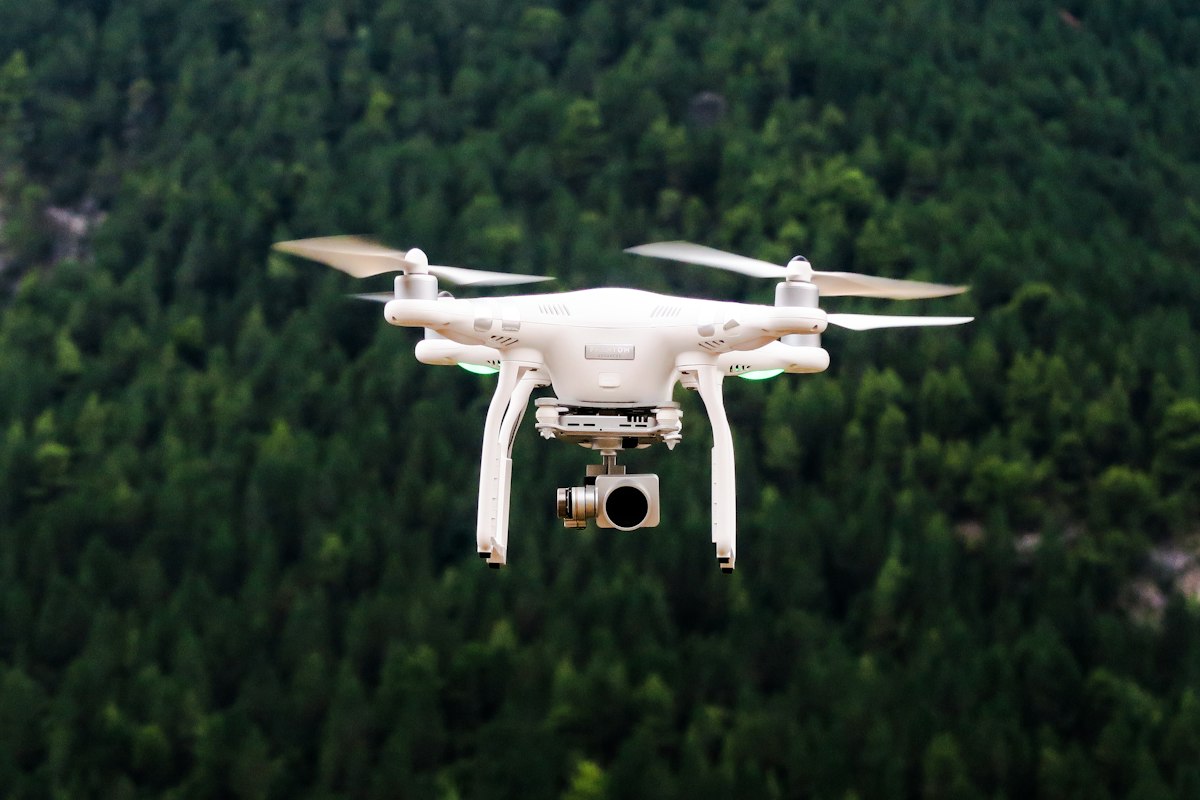
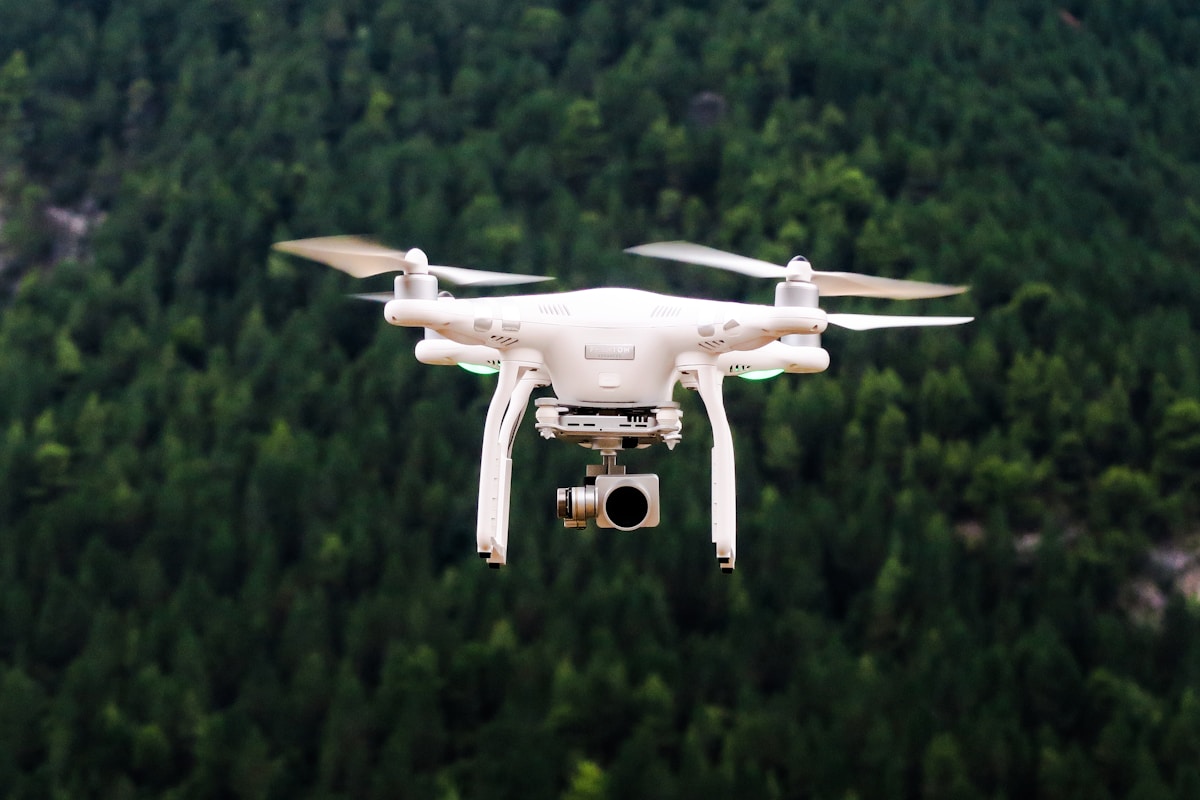
A drone light show is not hundreds of pilots flying at once. It is one computer flying hundreds of drones. Each drone carries a bright LED and a GPS receiver, and a central system sends every drone a pre-programmed flight path with its position updated many times a second. The drones use real-time kinematic GPS, which is accurate to a few centimetres, so they can hold formation with only metres between them. Before the show, the operator designs the animation in software, the system converts it into thousands of individual flight paths, and the drones rehearse the routine on a computer before they ever leave the ground. During the show, a single operator monitors the swarm, and if one drone fails, it is programmed to land safely while the rest of the show continues around the gap.
Why Shows Are Replacing Fireworks
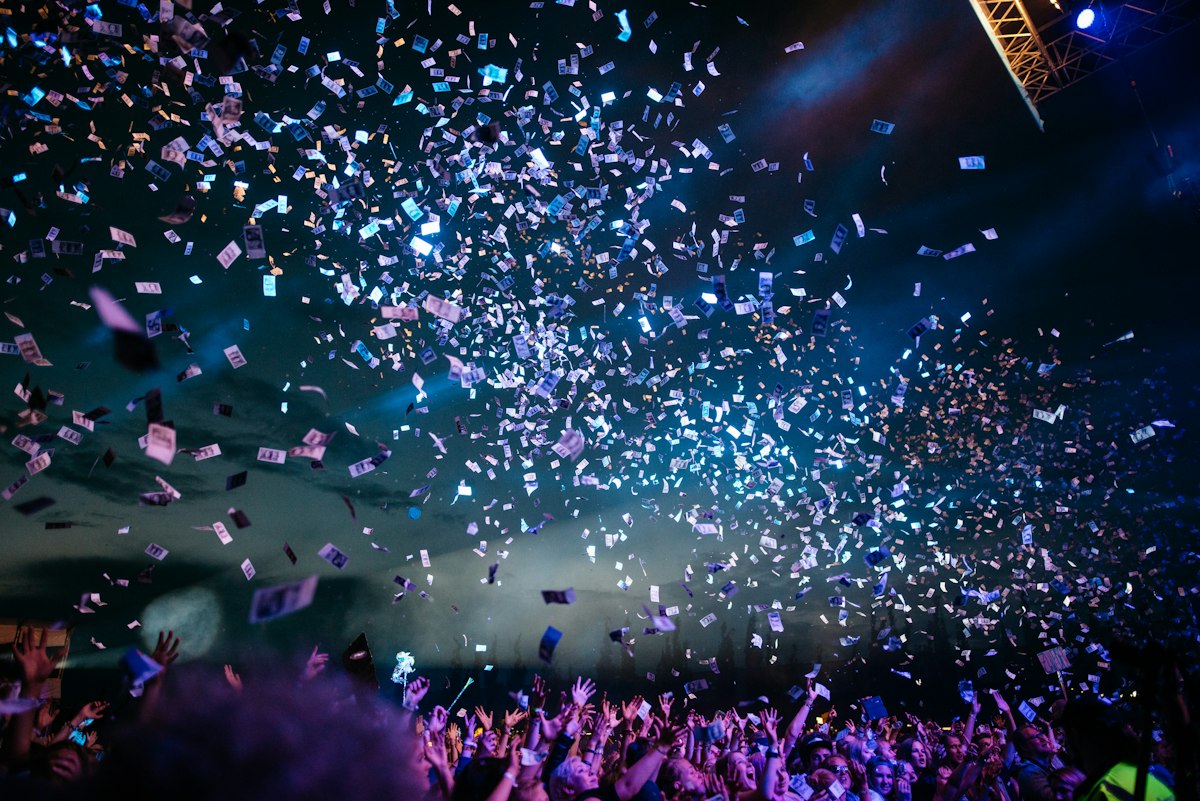
Fireworks are loud, polluting and dangerous, and they cannot be reprogrammed. Drone shows are silent, reusable and infinitely flexible: the same fleet can draw a logo on Friday and a whale on Saturday, and the animation can include movement, colour changes and text. Cities prefer them because there is no falling debris, no smoke and no fire risk, and they work in places where fireworks are banned. The costs are falling too: a show with a few hundred drones now costs about the same as a large fireworks display, and the drones can be reused for years. The record shows are enormous, with one European festival setting a record with more than 3,000 drones in a single display, and the largest shows in China now use more than 10,000.
The Rules and the Future
How to Watch a Show Like an Engineer
A drone show is more impressive when you know what to look for. Watch the transitions between shapes, because the hardest part of a show is moving hundreds of drones from one formation to another without collisions, and a smooth transition is a sign of a well-programmed routine. Count the colours: a show that shifts colour in waves is using the LEDs as a display, not just as lights, and the best shows synchronise colour changes with the music. Notice the depth: the most striking formations use three dimensions, with drones at different heights creating a shape that looks different from every angle. And watch the edges of the formation, because a perfect outline with no stragglers means the GPS positioning is working to centimetre accuracy. The next time you watch a show, stand far enough back to see the whole sky, and you will see the engineering as clearly as the art.
Drone shows are tightly regulated because a swarm of hundreds of aircraft over a crowd is an obvious safety risk. Operators need special permissions, a safety plan, a backup landing zone and usually a restricted airspace declaration for the duration of the show. The audience area is kept clear of the flight zone, and the show is cancelled in high wind or rain. Looking ahead, the technology is heading towards larger swarms, brighter LEDs visible in daylight, and shows that interact with music and the audience in real time. The most interesting development is the combination of drones with lasers and projection mapping, which turns the whole sky into a screen. Fireworks will not disappear, but the light show has already become the modern way to celebrate.
More from FreeSky Aerial