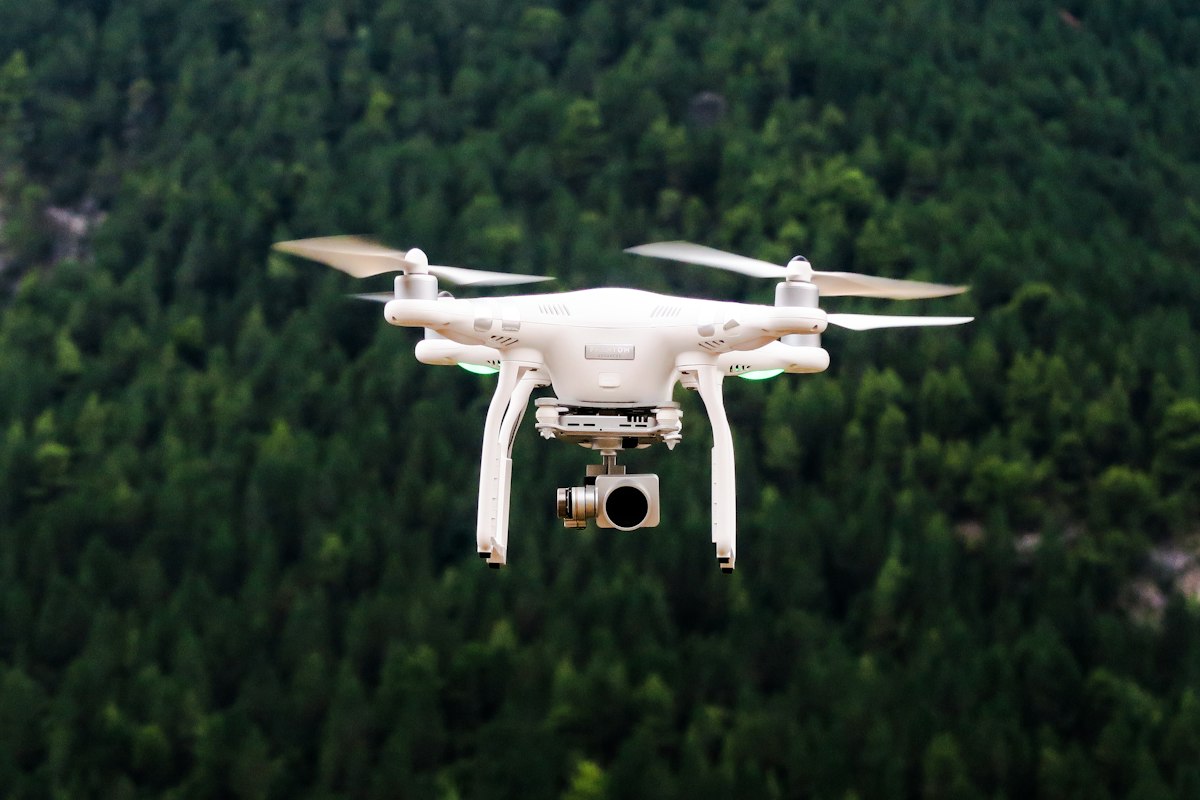
DJI Mini 5 Pro vs Mini 4 Pro: Which Sub-250g Drone Wins in 2026?
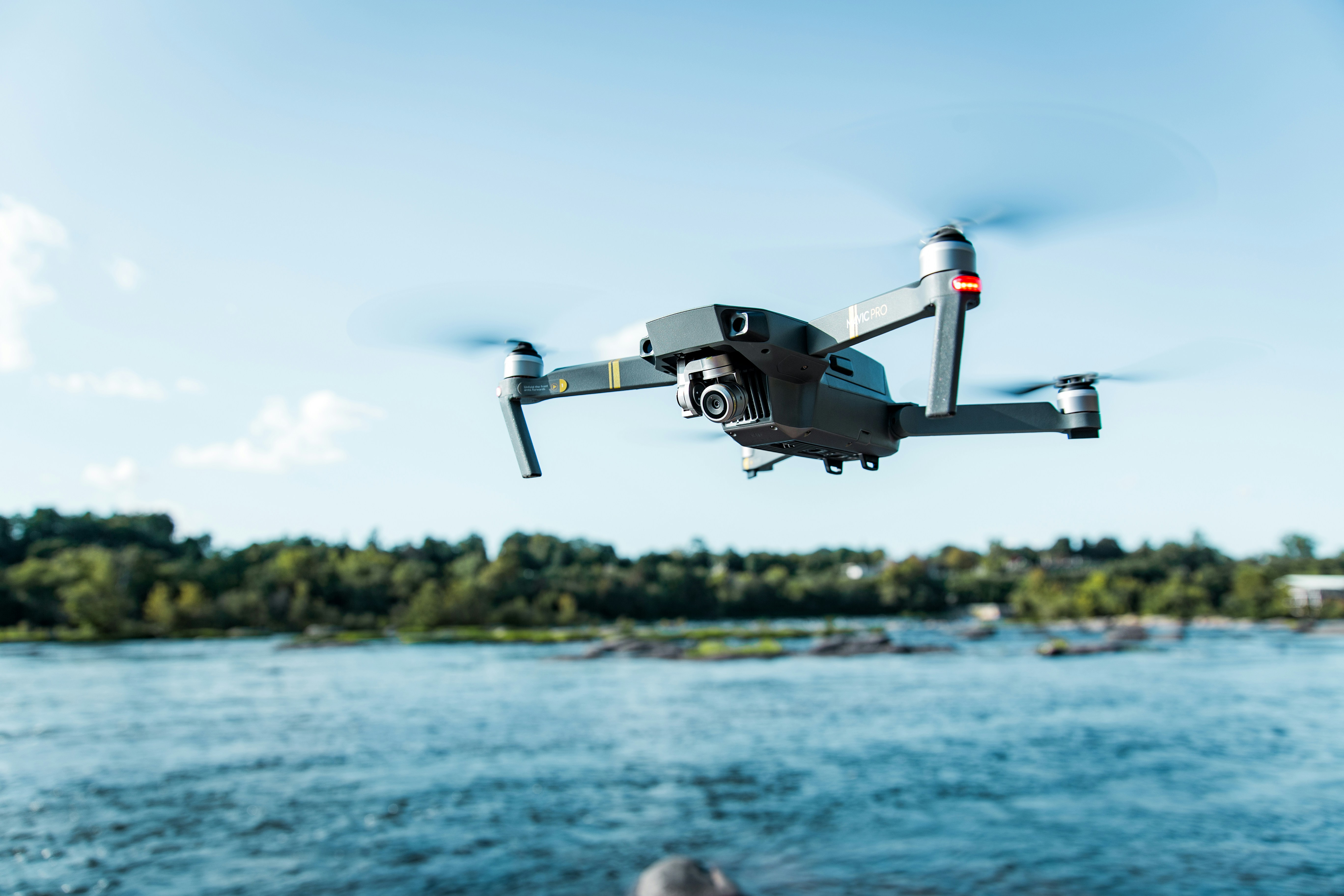
- Primary Signal: DJI Mini 5 Pro vs Mini 4 Pro: Which Sub-250g Drone Wins in 2026?
- Overview: DJI's newest sub-250g drone promises a bigger sensor and longer flight time, but the Mini 4 Pro is now much cheaper. Compare cameras, range, obstacle sensing, and real-world value ...
- Verification: Analyzed and compiled by FreeSky Aerial editorial monitoring desk.
The sub-250g class is the sweet spot for most drone pilots: light enough to dodge registration in many countries, small enough to carry anywhere, and now powerful enough for serious photography. DJI's Mini 4 Pro set the standard in this class, and the Mini 5 Pro arrives with a larger 1-inch sensor, longer flight time, and better low-light performance. The catch is price: the Mini 5 Pro costs roughly 40 percent more, while the Mini 4 Pro has dropped in price and is widely available. This comparison looks at the camera, flight performance, obstacle sensing, and everyday usability to answer the only question that matters: which one should you buy in 2026?
The headline difference is the sensor. The Mini 5 Pro uses a 1-inch CMOS sensor, a major step up from the 1/1.3-inch sensor in the Mini 4 Pro, and it shows in the files. Dynamic range is roughly one stop better, which means highlights in bright skies and shadows in dark forests both hold more detail. Low-light performance improves noticeably too, with cleaner footage at dusk and usable night shots that the Mini 4 Pro struggles with. Both drones shoot 4K video at up to 60 frames per second and 48-megapixel stills, and both record 10-bit D-Log M colour for grading. For daylight photography and social media, the difference is modest. For golden hour, twilight, and professional work, the Mini 5 Pro's sensor is a genuine upgrade.
The Mini 5 Pro flies for up to 36 minutes on a standard battery, about two minutes more than the Mini 4 Pro, and up to 52 minutes with the extended Intelligent Flight Battery Plus. In real conditions with wind, expect 28 to 30 minutes of useful flight from the Mini 5 Pro versus 25 to 27 from its predecessor. Both use DJI's O4 transmission system with a claimed range of 20 kilometres, though legal line-of-sight rules make that figure academic in most countries. Wind resistance is rated at 10.7 metres per second for both, but the slightly heavier Mini 5 Pro holds its position a little more steadily in gusts. The controller experience is identical if you buy the RC 2, with the same bright screen and the same quick-transfer feature for moving footage to your phone.
Both drones carry omnidirectional obstacle sensing, which is rare and valuable in this weight class. The Mini 5 Pro adds a forward-facing LiDAR sensor that improves detection of thin obstacles such as power lines and bare branches, the two things that most commonly bring small drones down. Its ActiveTrack 360-degree tracking is also more reliable, holding onto a moving subject through turns and partial occlusions where the Mini 4 Pro occasionally loses lock. Both drones support the same return-to-home logic and the same downward vision sensors for precise landing. For beginners flying in parks and gardens, the LiDAR upgrade is a meaningful safety improvement, though it does not replace careful flying. Neither drone is waterproof, so rain remains a hard no for both.
Buy the Mini 5 Pro if you shoot in low light, sell your photos, or plan to keep the drone for three years or more; the bigger sensor and LiDAR will age better. Buy the Mini 4 Pro if you fly mostly in daylight, post to social media, or want the best value, because it delivers 85 percent of the experience for roughly 60 percent of the price, and the money saved buys two extra batteries and a carry bag. Existing Mini 4 Pro owners should not upgrade unless low-light work is a real part of their flying; the improvement in daylight is small. First-time buyers who can afford the difference should choose the Mini 5 Pro, because the sensor and safety upgrades are the kind of improvements you notice every flight. Either way, buy the Fly More Combo: the extra batteries and charging hub pay for themselves within the first month.
Is the Mini 5 Pro under 250 grams? Yes, the standard version weighs 249 grams, which keeps it in the lightest regulatory class in most countries. Does the Mini 4 Pro still get firmware updates? Yes, DJI continues to support it with firmware and app updates. Can both drones shoot vertical video? Yes, both support true vertical shooting for social media. Is the Mini 5 Pro worth the extra money for a beginner? For most beginners, no; the Mini 4 Pro is the better value, and the money saved buys accessories. Which one is quieter? Both are similarly quiet, with the Mini 5 Pro marginally quieter thanks to redesigned propellers.
More from FreeSky Aerial