FPV Drones for Beginners: What to Know Before Your First Flight

- Primary Signal: FPV Drones for Beginners: What to Know Before Your First Flight
- Overview: FPV drones fly like nothing else — fast, agile and immersive. This guide explains what FPV is, what gear you need, and how to learn without crashing your drone on day one....
- Verification: Analyzed and compiled by FreeSky Aerial editorial monitoring desk.
First-person view, or FPV, is the most exciting way to fly a drone — and the most intimidating to start. Instead of watching your drone from the ground, you wear goggles and see what the drone sees, flying through gaps, diving down buildings and racing through forests at speeds a camera drone can never match. It is closer to flying than to photography, and it is addictive. It is also the part of the hobby where beginners crash the most, spend the most, and quit the fastest. A little knowledge before your first flight saves you all three.
What FPV actually is
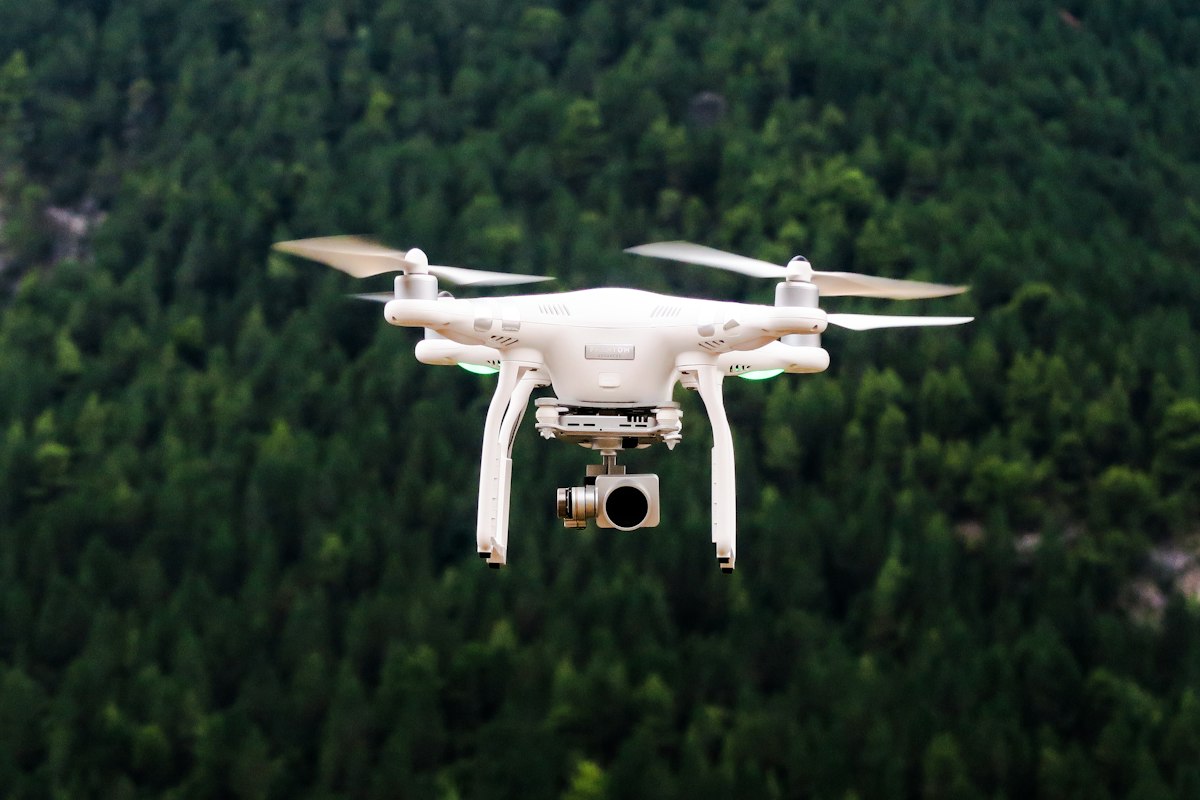
An FPV drone is a small, fast quadcopter with a camera that streams live video to goggles you wear. Unlike a camera drone, which hovers, stabilises itself and avoids obstacles, an FPV drone is fully manual: you control the throttle, the pitch, the roll and the yaw directly, and the drone does exactly what you tell it, including crashing. That manual control is the whole point — it gives you the agility to fly through a window, under a bridge or around a tree at speed, and the video feed makes it feel like you are in the cockpit. The learning curve is steep, but the reward is a kind of flying no other drone offers.
The gear you need to start
FPV needs more gear than a camera drone: the drone itself, a radio controller, FPV goggles, batteries, a charger and spare propellers. A beginner bundle — sometimes called a ready-to-fly kit — includes everything except the goggles, and it is the best way to start because the parts are guaranteed to work together. The DJI Avata 2 is the most beginner-friendly option, with stabilisation, obstacle sensing and a normal mode that flies like a camera drone until you are ready for manual mode. Traditional FPV drones are cheaper and more repairable, but they demand more knowledge to build and maintain. Whichever route you choose, budget for spare parts: you will crash, and that is normal.
Learn in a simulator first
The single best advice for any FPV beginner is to learn in a simulator before you fly a real drone. Simulators like Liftoff, Velocidrone and DRL cost less than a set of propellers, run on an ordinary computer with your radio controller connected, and let you crash a thousand times for free. Ten hours in a simulator teaches you the stick movements that would take months and many broken drones to learn in real life. Pilots who skip the simulator almost always regret it. Pilots who use it arrive at their first real flight already able to hover, turn and land — the three skills that keep a drone alive.
Your first real flights
When you move from the simulator to a real drone, start in an open field with no people, no trees and no obstacles — a football pitch is ideal. Fly low and slow, practise hovering, gentle turns and landing, and keep the drone close enough to see it without the goggles if you need to. Use the drone's beginner mode or angle mode, which self-levels, before you try acro mode, which is fully manual. And always fly with a spotter: someone who watches the drone with their own eyes while you wear the goggles, because you cannot see what is around you. The first ten flights are about survival, not style — the style comes later.
The rules for FPV flying
FPV has the same legal rules as any other drone flying, plus one extra: in the United States, you must have a visual observer — a spotter — when you fly with goggles, because the FAA requires the drone to remain in someone's visual line of sight. Your drone must be registered if it weighs over 250 grams, it must broadcast Remote ID, and you must follow the same altitude and airspace rules as any other pilot. Check your local rules too, because some countries restrict FPV more tightly than camera drones. Fly legally, fly with a spotter, and the hobby stays open for everyone.
More from FreeSky Aerial