Flying a Drone at the Beach: Rules, Wind and Saltwater Risks
- Primary Signal: Flying a Drone at the Beach: Rules, Wind and Saltwater Risks
- Overview: Beaches give spectacular drone shots and hide real risks: sea wind, salt spray, sand and hidden no-fly zones. Here is how to fly at the beach and bring your drone home....
- Verification: Analyzed and compiled by FreeSky Aerial editorial monitoring desk.
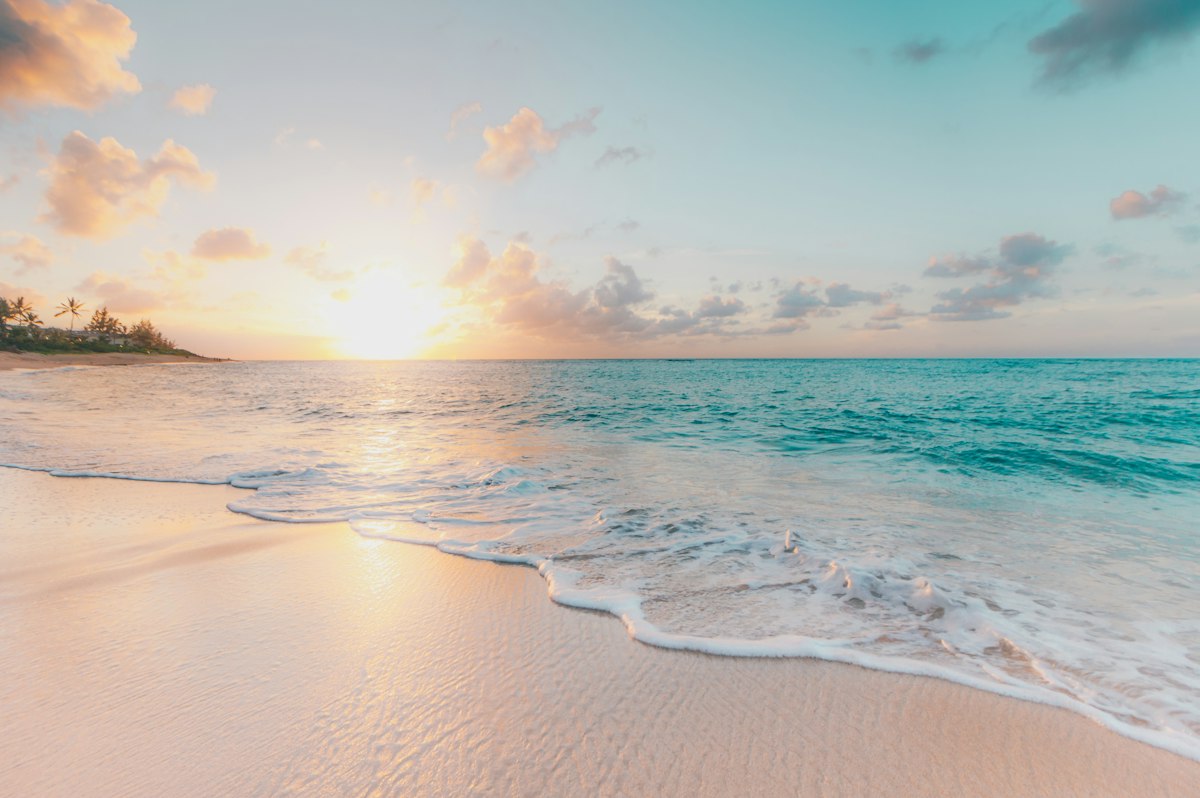
Beaches are the most popular place in the world to fly a drone, and also one of the easiest places to lose one. The shots are spectacular: turquoise water, white sand, a coastline curving into the distance. The risks are real too: strong sea wind, salt spray, sand in the motors, curious crowds, and a drone that lands in the water is gone forever. Flying at the beach is absolutely worth doing, as long as you prepare for the conditions instead of fighting them.
Wind, Salt and Sand: The Three Enemies
Sea wind is the first problem. It is stronger than it feels on the ground, it changes direction without warning, and it is much stronger at thirty metres than at eye level. Check the forecast for gusts, not just average speed, and do not fly if gusts exceed about two-thirds of your drone's maximum wind resistance. Salt spray is the second problem: it corrodes motors and electronics over time, so wipe the drone down with a dry cloth after every beach flight and never fly through spray near breaking waves. Sand is the third: a single grain in a gimbal motor can ruin a shoot, so launch and land from a flat board, a towel or a landing pad, never directly from the sand, and keep the drone in its case until you are ready to fly.
The Rules Most Beach Pilots Miss
Many beaches are in controlled or restricted airspace without any visible sign. Check the airspace map before every flight, because a beach near an airport, a military area or a national park may be a no-fly zone even though it looks empty. Some countries ban drones on all beaches, others require a permit, and a few allow flying only at certain hours. Crowded beaches are effectively off-limits in most places: the rules prohibit flying over people, and a busy beach is nothing but people. Fly early in the morning when the beach is empty, keep the drone over the water rather than over sunbathers, and never fly close to swimmers. If a lifeguard or a beach official asks you to land, land immediately and ask what the local rule is.
Getting the Shot Without Losing the Drone
The Best Time of Day to Fly at the Beach
The best beach drone footage is shot in the golden hour, the hour after sunrise and the hour before sunset, when the light is warm, the shadows are long, and the water turns gold. The beach is also emptiest at these times, which solves the biggest legal problem of beach flying, because there are fewer people to fly over and fewer complaints to deal with. Midday is the worst time: the light is flat and harsh, the beach is crowded, the wind is usually stronger, and the heat can push your batteries and your drone's electronics to their limits. Early morning has one more advantage: the air is usually calmer before the sea breeze builds, which means smoother footage and a safer flight. Set your alarm, fly at dawn, and you will come home with the shots that everyone else missed while they were still asleep.
Beach flying rewards preparation. Set the return-to-home altitude higher than the nearest cliff or building, because the drone needs a clear path back. Keep the battery above thirty percent at all times, since the wind on the way back is usually stronger than the wind on the way out, and a drone fighting a headwind burns battery fast. Use ND filters to keep the shutter speed low and the water looking smooth, and shoot in the golden hour when the light is warm and the shadows are long. Take off from a stable surface, keep visual line of sight, and remember that a drone over water has nowhere to land if something goes wrong. Fly conservatively, and the beach will give you the best aerial footage you will ever shoot.
More from FreeSky Aerial