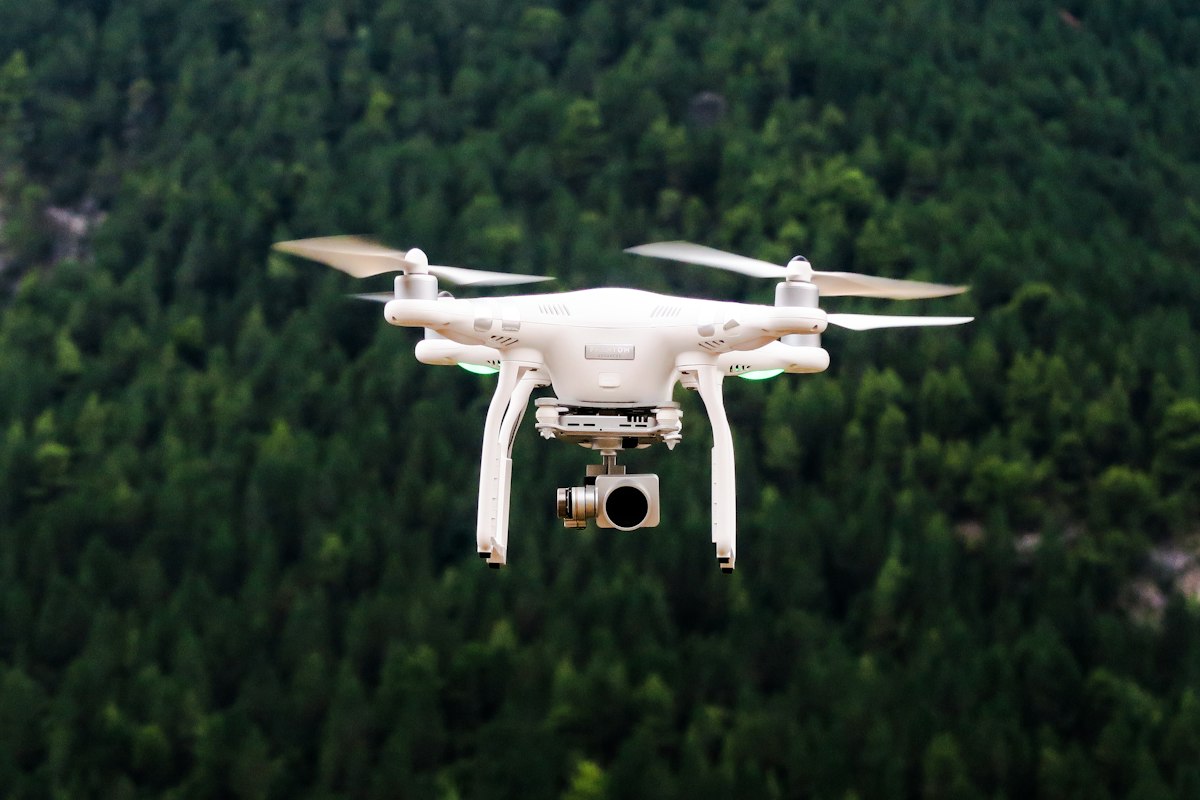
DJI Drone Ban Explained: What the FCC Decision Means for You in 2026
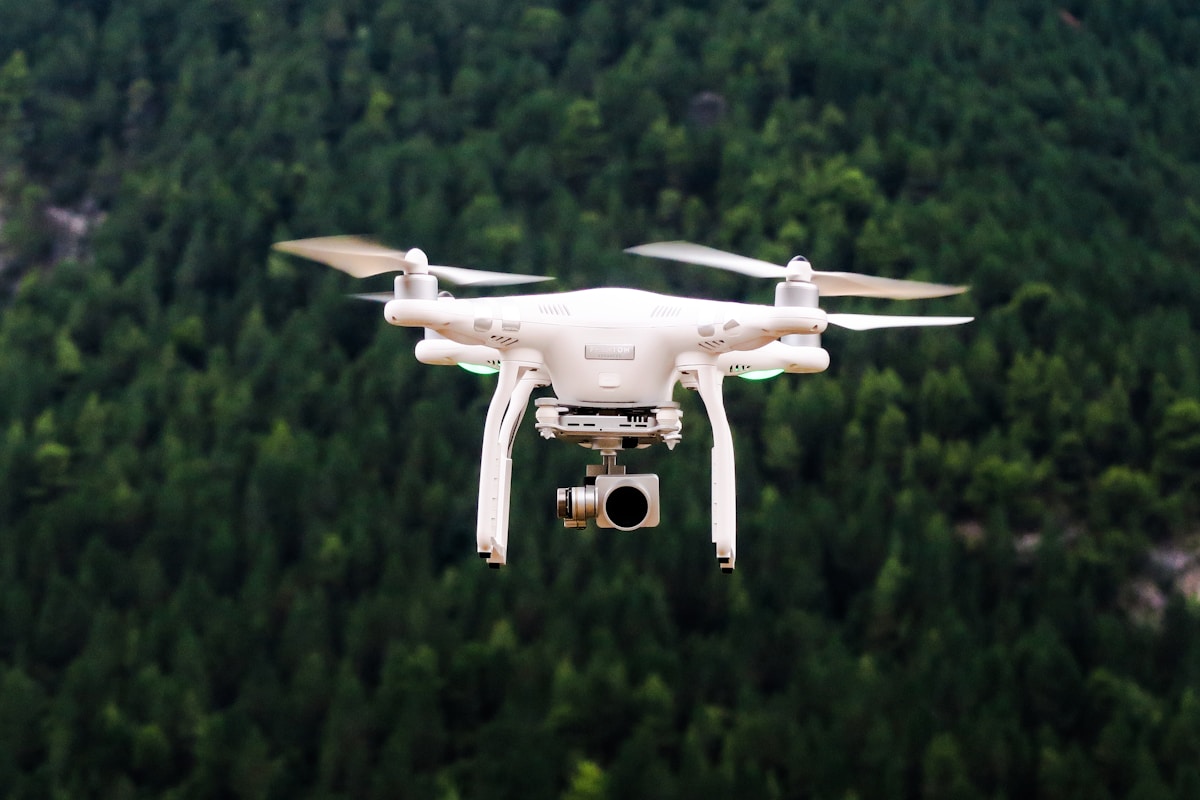
- Primary Signal: DJI Drone Ban Explained: What the FCC Decision Means for You in 2026
- Overview: The FCC added DJI drones to its Covered List in December 2025. This guide explains what is actually banned, what still works, and what photographers should do next....
- Verification: Analyzed and compiled by FreeSky Aerial editorial monitoring desk.
The DJI drone ban is the biggest story in aerial photography in years, and it is also one of the most misunderstood. Headlines say DJI is banned in the United States, but the reality is more specific — and for most drone owners, less dramatic. The Federal Communications Commission's decision in December 2025 affects new product authorisations, not the drones already in people's hands. If you own a DJI drone, you can almost certainly keep flying it. If you planned to buy the next DJI flagship in a US store, that plan needs rethinking.
What the FCC actually did
On December 22, 2025, the FCC released Public Notice DA-25-1086, adding drones and drone critical components produced in a foreign country to its Covered List. The mechanism is equipment authorisation: any radio-frequency device sold in the United States must hold an FCC grant, and the FCC will not issue new grants for covered foreign-made devices. That means new DJI models cannot receive the authorisation they need for US retail sale. The decision came one day before the deadline set by Section 1709 of the fiscal year 2025 National Defense Authorization Act, which required a national security audit of DJI.
What still works: your existing drone
Here is the part the headlines usually bury: the FCC action does not affect previously purchased drones. The FCC has said explicitly that it does not affect any previously-purchased drone, and existing DJI products — the Mavic 4 Pro, Mini 5 Pro, Air 3S, Avata 2 and every other previously certified model — retain their authorisations and remain importable and saleable. Software and firmware updates for previously authorised drones may continue at least until January 1, 2029, under a waiver. Owning, flying and reselling your current DJI gear stays legal under current FAA rules.
The exemptions and the court case
The picture is not entirely closed. In January 2026, the FCC exempted drones on the Blue UAS list and some products meeting a domestic-content test, and those exemptions now run to January 1, 2028. DJI filed a petition for reconsideration with the FCC in January 2026 and petitioned the Ninth Circuit for review in February 2026, and as of late 2026 no decision had been reached. The situation is fluid, and the rules could change again — but for now, the wall applies only to new product approvals after the December 2025 cutoff, not to the drones already flying.
What photographers should do now
If you own a DJI drone, keep flying it and keep it updated while updates remain available. If you were planning to buy a DJI drone, buy a model that already holds authorisation rather than waiting for a new one that may never reach US stores. If you are buying for professional work, consider the alternatives that are now getting serious attention: Skydio, Autel and other manufacturers outside the Covered List, and check whether your clients or your insurance require a specific brand. And keep your firmware current, because the update window is the one thing with a published end date.
The bigger picture for drone photography
The DJI decision is reshaping the drone market, but it has not ended drone photography. The used market for authorised DJI models is active, the alternatives are improving quickly, and the FAA rules for flying have not changed at all — registration, Remote ID and Part 107 still work exactly as before. The photographers who adapt fastest are the ones who treat this as a gear decision, not a crisis: check what is authorised, buy accordingly, and keep flying. The sky is still open; only the shopping list has changed.
More from FreeSky Aerial