Drone Photography at Golden Hour: Camera Settings That Make Aerial Shots Pop
- Primary Signal: Drone Photography at Golden Hour: Camera Settings That Make Aerial Shots Pop
- Overview: Golden hour is the best light in aerial photography, but it punishes wrong settings. Learn the exact camera settings, ND filter choices, and composition rules that turn warm evenin...
- Verification: Analyzed and compiled by FreeSky Aerial editorial monitoring desk.
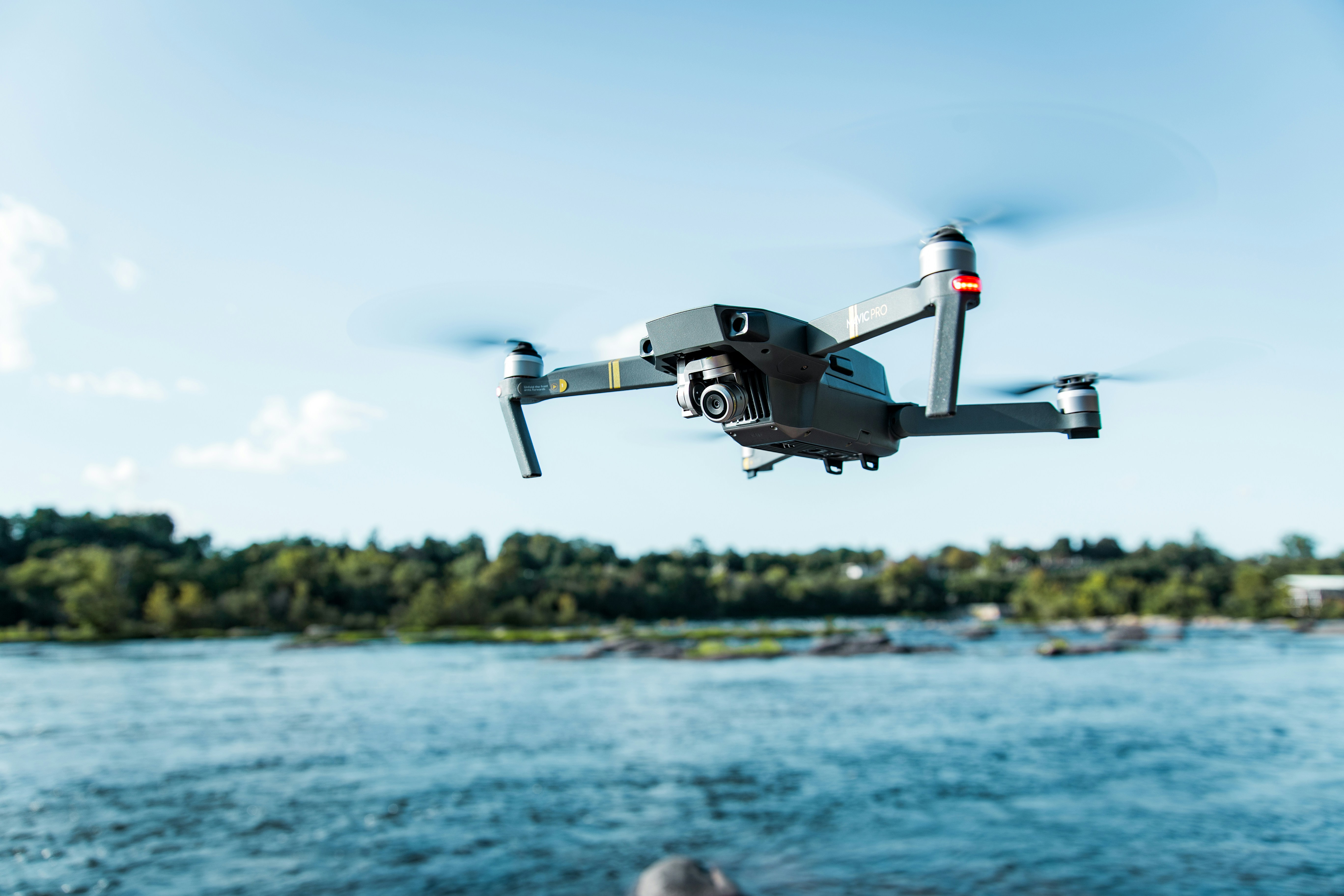
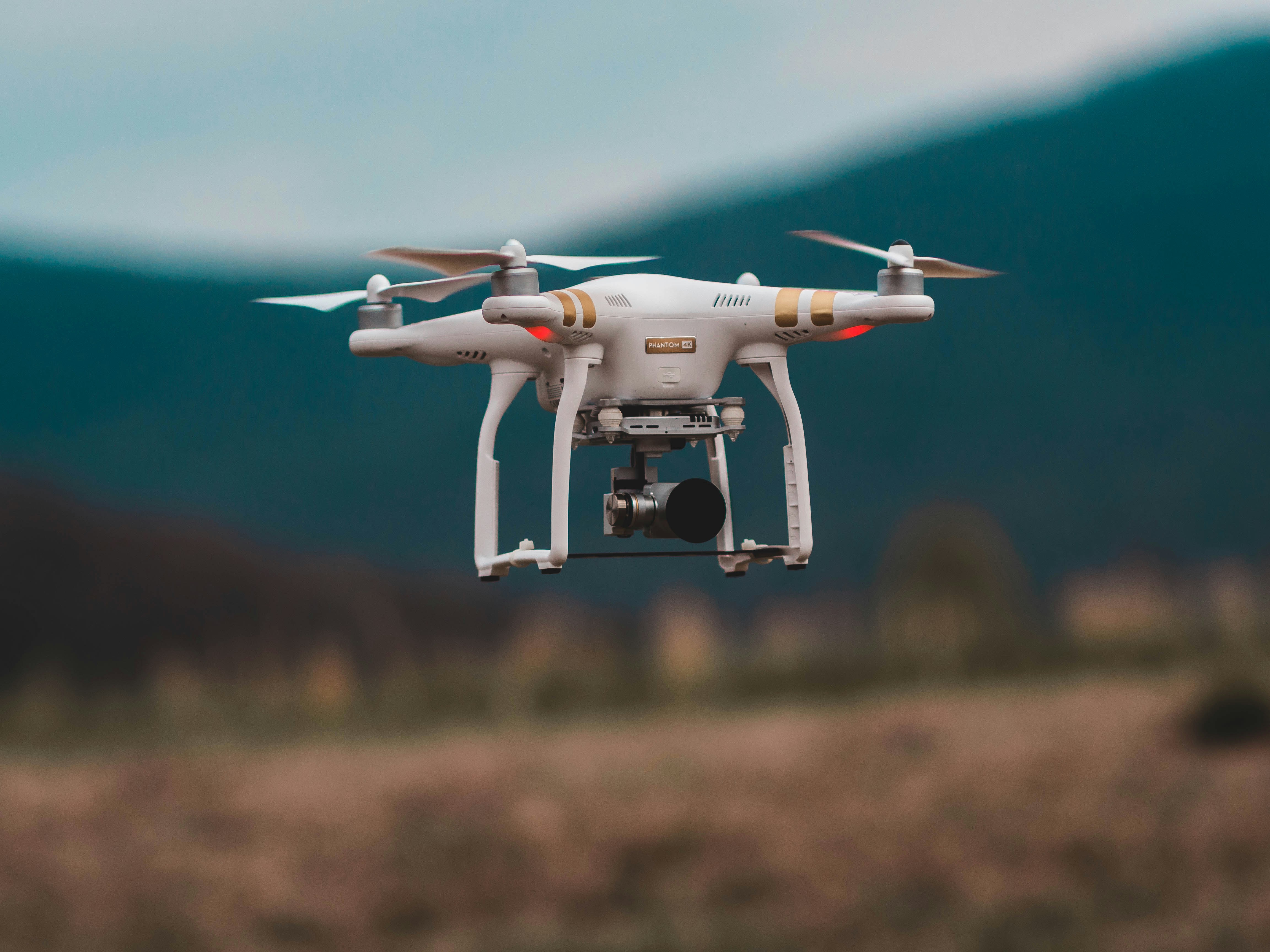
Ask any aerial photographer when they fly and you will get the same answer: the hour after sunrise and the hour before sunset. Golden hour light is warm, directional, and low, which means long shadows, glowing highlights, and a sense of depth that flat midday light can never deliver. But golden hour is also technically demanding. The light changes every few minutes, the dynamic range between a bright sky and a shadowed field is extreme, and the wrong shutter speed turns a beautiful scene into a blurry mess. This guide gives you the exact settings and techniques professionals use to make golden hour aerial photography work, whether you shoot stills or video.
The sun sits low in the sky during golden hour, which changes aerial photography in three useful ways. First, the light travels through more atmosphere, which scatters blue light and leaves the warm oranges and reds that make landscapes glow. Second, the low angle creates long shadows that reveal texture: a flat field becomes a pattern of ridges, and a forest canopy shows its three-dimensional structure. Third, the light is softer and less contrasty than midday sun, so your camera can hold detail in both the sky and the ground. The trade-off is time. True golden hour lasts 40 to 60 minutes depending on your latitude and the season, and the best colour often arrives in the last 15 minutes, so plan your flight path before you take off and work fast.
Shoot in RAW, always. A RAW file holds far more shadow and highlight detail than a JPEG, and golden hour is exactly the situation where you need it. Set your ISO to 100 for the cleanest image, and use aperture priority or manual mode with an aperture between f/2.8 and f/4 on most camera drones. For shutter speed, follow the reciprocal rule: keep it faster than 1/60th of a second to avoid motion blur from the drone's movement, and faster still in wind. Use exposure bracketing for high-contrast scenes: three shots at minus one, zero, and plus one EV give you the material for an HDR merge later. Set white balance to around 5500K or daylight rather than auto, so the warm tones stay consistent across your shots instead of being neutralised by the camera.
Video has one extra rule: shutter speed should be roughly double your frame rate, so 1/50th of a second at 25 frames per second or 1/60th at 30 frames per second. This gives the natural motion blur that makes video look cinematic. At golden hour, that slow shutter speed lets in too much light, which is why an ND filter is essential: an ND8 or ND16 usually works as the sun drops, and an ND32 is needed in the first minutes of golden hour. Shoot in a flat colour profile such as D-Log M or D-Cinelike so you can grade the warm tones in editing rather than baking them in. Fly slowly, no faster than 5 metres per second for reveal shots, and use gentle gimbal movements; fast pans at golden hour look rushed and amateurish.
Composition matters more than settings. Place the horizon in the upper or lower third, never in the middle, and use the sun itself as a compositional element: a sun star or a flare can anchor a shot, while a backlit subject creates a dramatic silhouette. Look for leading lines, a road, a river, or a fence line that draws the eye through the frame, and use shadows as shapes rather than problems. In editing, resist the temptation to push saturation too far; golden hour is already warm, and over-saturated oranges look artificial. Instead, lift the shadows slightly, add a touch of contrast, and warm the white balance by a few hundred Kelvin. Export stills as high-quality JPEGs and video at the highest bitrate your editor allows, because compression destroys the subtle gradients in a sunset sky.
What is golden hour exactly? The period shortly after sunrise and before sunset when the sun is low and the light is warm and soft. It typically lasts 40 to 60 minutes. Do I need an ND filter for golden hour stills? Not usually for stills, since you can use a fast shutter speed. For video, yes, to keep the shutter speed at double the frame rate. What is the best drone for golden hour photography? Any drone with a 1-inch sensor or larger and RAW support, such as the DJI Air 3 or Mavic 3 Pro. Can I fly at golden hour in winter? Yes, and winter golden hour lasts longer at higher latitudes, but cold reduces battery life, so keep batteries warm. Should I shoot into the sun? Carefully. Shooting into the sun creates dramatic silhouettes but can flare; use it sparingly and shield the lens with the drone's position.
More from FreeSky Aerial