Risks of Decompression Sickness and Venous Thromboembolism during Spaceflight and Patent Foramen Ovale Implications
Story summary
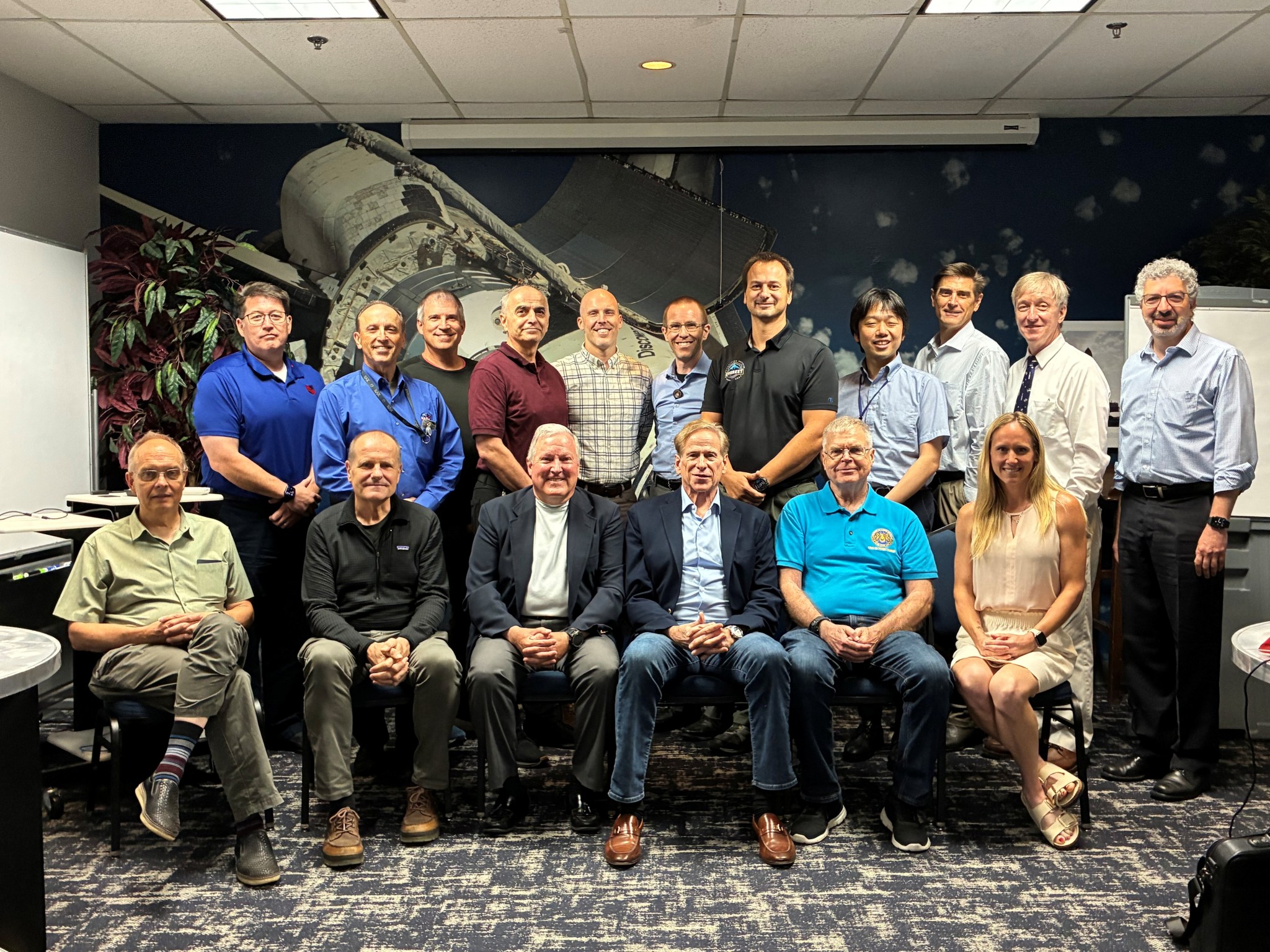
NASA’s Office of the Chief Health and Medical Officer formed a working group in August 2026 to review the most recent data related to extravehicular activity (EVA) prebreathe testing and decompression sickness (DCS) events, venous thromboembolism (VTE) in-flight occurrences, and patent foramen ovale
📌 Key Highlights & Takeaways
- NASA’s Office of the Chief Health and Medical Officer formed a working group in August 2026 to review the most recent data related to extravehicular activity (EVA) prebreathe testing and decompression sickness (DCS) events, venous thromboembolism (VTE) in-flight occurrences, and patent foramen ovale
The purpose of this working group was to assemble a panel of experts to review the most recent data related to extravehicular activity (EVA) prebreathe testing and decompression sickness (DCS) events, venous thromboembolism (VTE) in-flight occurrences, and patent foramen ovale (PFO) implication as they relate to NASA’s Artemis (lunar and beyond) missions. The recommendations from this working group are built upon and integrate the outcomes of the September 2024 Assessment of Patent Foramen Ovale (PFO) as Related to Decompression Sickness (DCS) in the Spaceflight Environment and During Ground Testing ( NASA/SP-20240010473 ), the April 2026 NASA Risk of Venous Thromboembolism in Spaceflight Working Group ( NASA/SP- 20260005258/REV1 ), and the updated DCS prevention standard reviewed by the DCS panel in NASA-STD-3001 Volume 2 Human Factors, Habitability, and Environmental Health ( NASA-STD-3001 Vol 2 Rev F ), with a specific focus on risk mitigation interventions such as PFO closure.
The following is a summary of the working group’s recommendations:
Share Details Last Updated Sep 22, 2026 Related Terms Office of the Chief Health and Medical Officer (OCHMO) Astronauts General Humans in Space International Space Station (ISS) Keep Exploring Discover Related Topics Human Spaceflight and Aviation Standards The Human Spaceflight and Aviation Standards Team continuously works with subject matter experts and with each space flight program to…
Mission-enabling assessment plays a crucial role in NASA’s long-term success by addressing essential questions requiring rapid response to support further…
Technical Briefs are available for standards that offer technical data, background, and application notes for vehicle developers and medical professionals.…
The Integrated Medical Model (IMM) is a sophisticated, stochastic (probabilistic) risk assessment tool used by NASA to evaluate the impact…
Editorial Text & Content Analyzer
Analyze real-time word count, reading speed, and text density metrics on the fly.
Source: NASA.
Read the full story at the original source ↗
For questions: mrsmithcons@gmail.com.
More from FreeSky Aerial