NASA Testing Aims at Supercooled Large Droplet Aviation Safety
Story summary
NASA is leveraging its expertise and enhancing its test facilities to help address a rare but persistent aviation hazard: icing that occurs when aircraft encounter unusually large, very cold water droplets in clouds. The problem, known as “supercooled large droplet icing,” occurs when aircraft fly t
📌 Key Highlights & Takeaways
- NASA is leveraging its expertise and enhancing its test facilities to help address a rare but persistent aviation hazard: icing that occurs when aircraft encounter unusually large, very cold water droplets in clouds.
- The problem, known as “supercooled large droplet icing,” occurs when aircraft fly t
NASA is leveraging its expertise and enhancing its test facilities to help address a rare but persistent aviation hazard: icing that occurs when aircraft encounter unusually large, very cold water droplets in clouds.
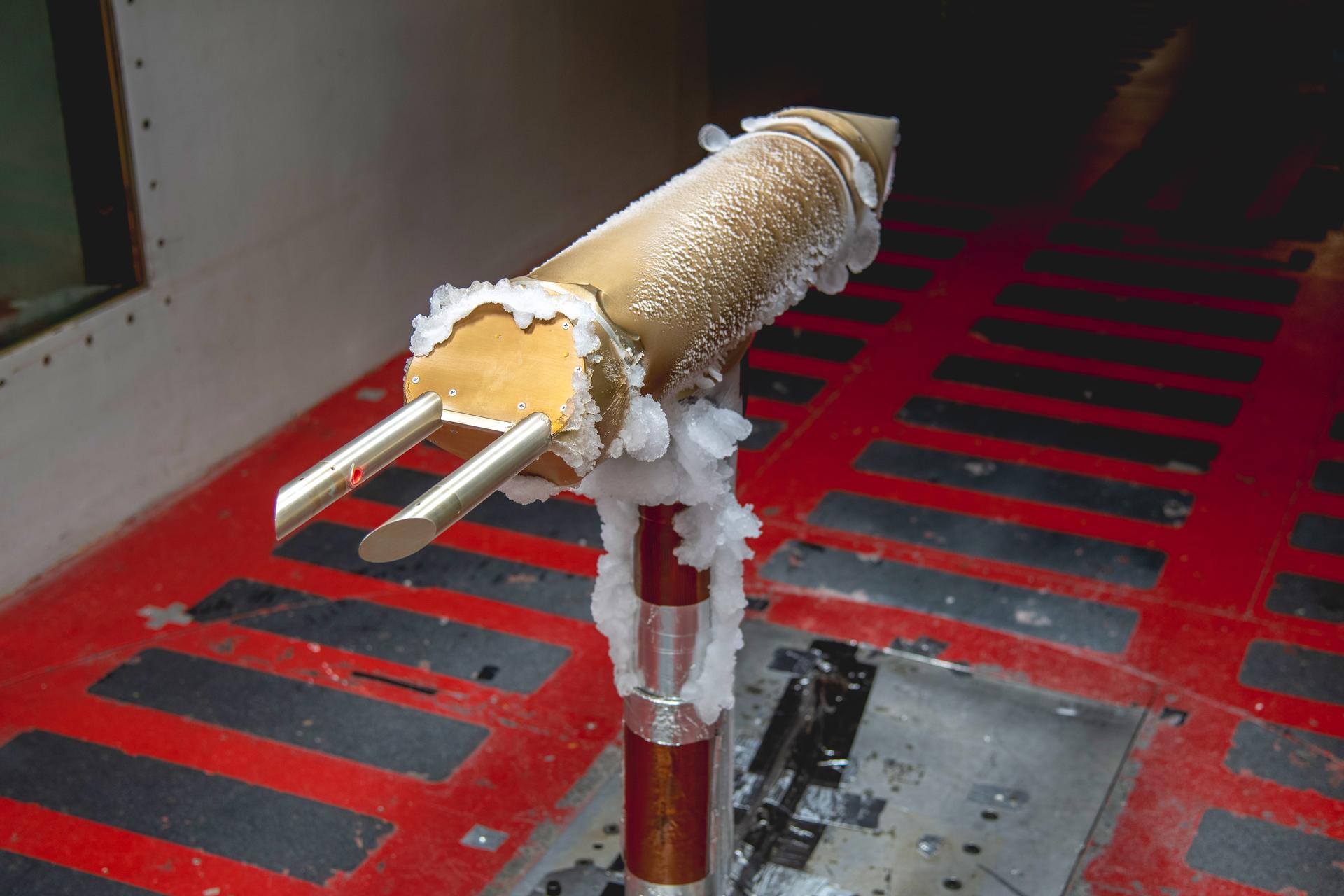
The problem, known as “supercooled large droplet icing,” occurs when aircraft fly through clouds containing unusually large drops of water that are very cold but remain liquid. When a plane passes through those drops, they can rapidly freeze to surfaces that are not protected from ice buildup.
With a series of tests in the Icing Research Tunnel at Glenn Research Center in Cleveland, NASA researchers are helping U.S. industry better understand the phenomenon.
Supercooled water is common in clouds – droplets can go below 32 degrees Farenheit but not freeze unless they encounter dust or other tiny particles around which they can crystalize. Aircraft are designed to encounter typical icing conditions where droplets range from 2 to 100 microns in diameter (for comparison, a human hair is about 70 microns wide). But in rarer cases, clouds can contain supercooled large drops up to 2,000 microns in diameter (if you’ve ever been caught in freezing rain, you’ve encountered these droplets at ground level). These much larger droplets can hit or splash to the aft of an aircraft, including areas behind conventional ice protection systems.
The aviation industry relies on engineering tools to help design their aircraft. Current tools work well for typical clouds, but engineers have questions about how well they account for the physics of supercooled large drops. To help answer those questions, NASA is working to enhance the equipment it uses to generate and measure experimental clouds for testing in the Icing Research Tunnel.
NASA researchers have experimented with brand new probes that help calibrate the sizes of the drops in the clouds the tunnel produces. The probes can “see” drops larger than 45 microns and perform a real-time analysis of their sizes. NASA will compare these results, a laborious technique of post-processing droplet size image data from the tunnel. The results will be mated to results from a different probe that measures droplets smaller than 45 microns. With this, the complete droplet size spectrum is known.
The test campaign marks an important milestone for the Subsonic Flight Demonstrator project, part of NASA’s Research and Technology Mission Directorate. Detailed analysis of the collected data continues, and NASA’s project team will share results with the broader aerospace community once complete.
Details Last Updated Oct 05, 2026 Editor Dede Dinius Contact Sarah Mann sarah.mann@nasa.gov Related Terms Aeronautics Glenn Research Center Integrated Aviation Systems Program Subsonic Flight Demonstrator Ultra-Efficient Aviation Explore More 2 min read NASA Model Wing Lights Up During First Pressure Sensitive Paint Tests Article 3 days ago 10 min read 2026-2027 DWU: Middle School Design Challenge Article 1 week ago 9 min read 2026-2027 DWU: High School Engineering Challenge Article 1 week ago Keep Exploring Discover More Topics From NASA Missions
Cryptographic Security & Key Generator
Generate entropy-tested high-security keys and encryption-grade tokens.
Source: NASA.
Read the full story at the original source ↗
For questions: mrsmithcons@gmail.com.
❓ Frequently Asked Questions (Aviation News Briefing)
What orbital telemetry or sensor data corroborates this Aviation News discovery?
Multi-spectral satellite imagery, radar altimetry, and space agency observational feeds provide calibrated observational data confirming the parameters of this event.
How does this observation impact current aerospace and geospatial modeling?
The recorded metrics refine atmospheric correction algorithms and orbital ephemeris models, enabling higher resolution tracking and trajectory accuracy.
When is the next telemetry downlink or public briefing scheduled?
Real-time space agency mission updates and satellite overpass data are ingested continuously through FreeSky Aerial tracking desks.
🎬 High-Bitrate Master Footage & Flight Telemetry
Uncompressed 4K aerial recordings, GPS flight logs, and camera profiles.
⚡ Stream Master Video NowMore from FreeSky Aerial

 🔭 FreeSky Cosmos
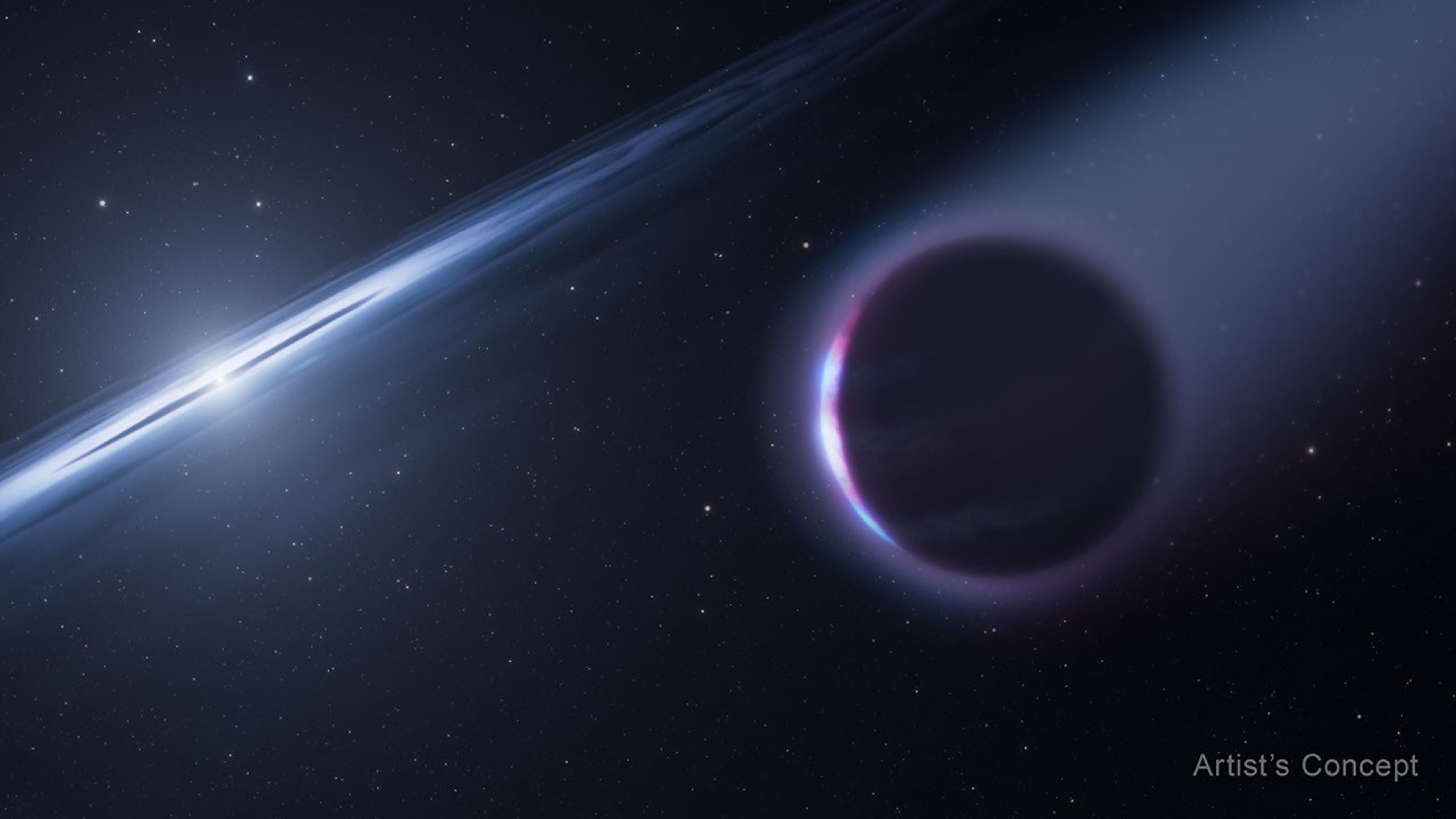
Suspected Second-generation Planet Solves NASA Hubble Cold Case
New analysis of archival Hubble data points to the possibility of “dead” white dwarf stars hosting second-gene...
From answering questions to carrying out complex tasks: The next phase of AI
From answering questions to carrying out complex tasks: The next phase of AI At the Google Cloud Summit in Doh...
 🤖 WinBar AI
Maine monitors sportsbook AI use as other states consider restrictions
Breaking coverage reported by Yogonet: Maine monitors sportsbook AI use as other states consider restrictions....
 ☁️ FreeSky Cloud
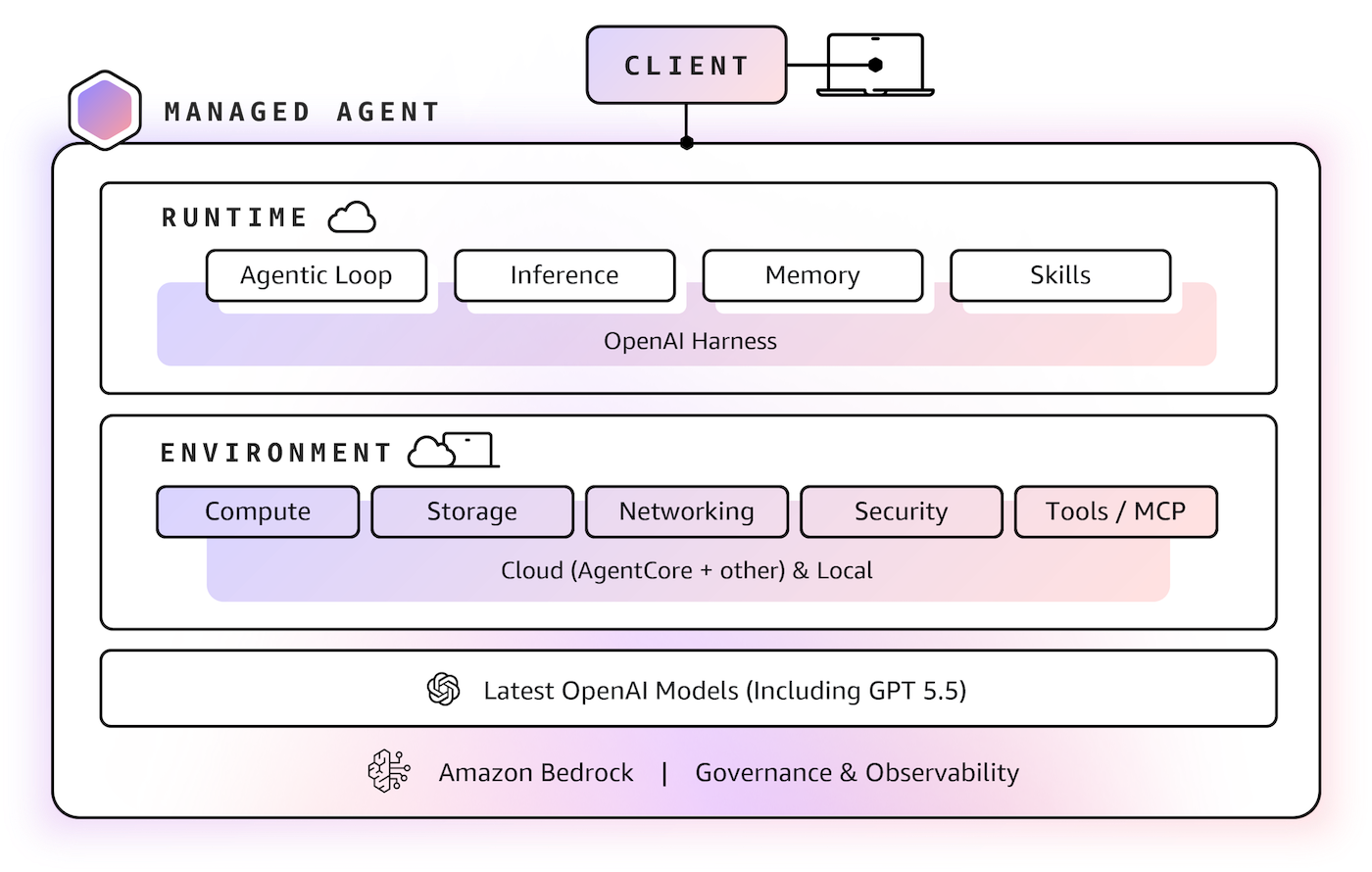
AWS Weekly Roundup: Amazon Bedrock Managed Agents powered by OpenAI, Q3 service availability updates, Kiro workflows, and more (October 5, 2026)
Last week, we announced a public preview of Amazon Bedrock Managed Agents powered by OpenAI, built on a custom...