How to Watch a Rocket Launch in Florida: Best Viewing Spots and Timing Tips
- Primary Signal: How to Watch a Rocket Launch in Florida: Best Viewing Spots and Timing Tips
- Overview: Florida's Space Coast hosts more launches than anywhere else on Earth. Learn the best free and paid viewing spots, how to read the launch window, and what to do when a launch scrub...
- Verification: Analyzed and compiled by FreeSky Aerial editorial monitoring desk.
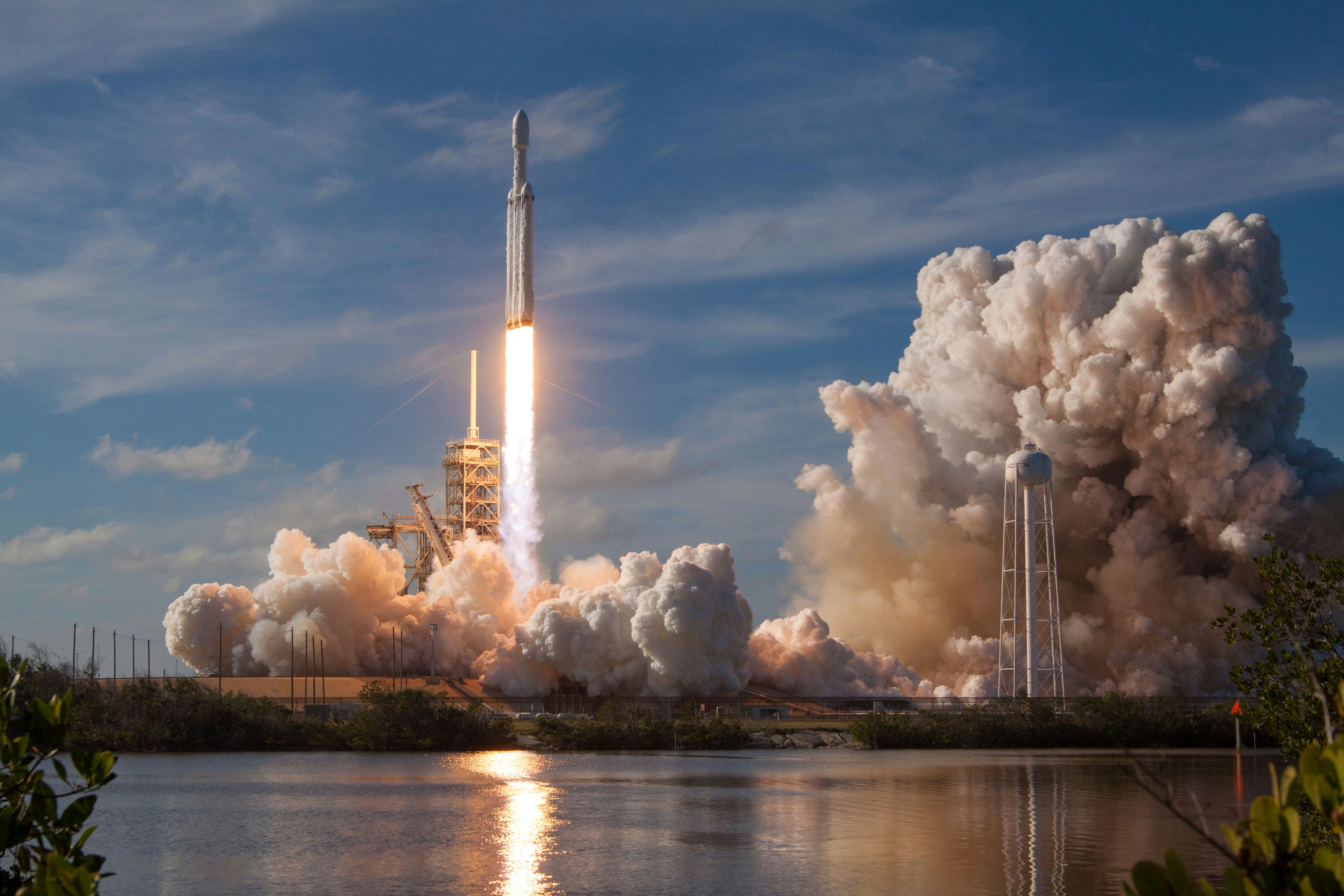
There is nothing quite like a rocket launch in person. The sound arrives a few seconds after the light, a deep rumble you feel in your chest, and a night launch turns the sky orange for miles around. Florida's Space Coast now hosts a launch every few days, with SpaceX, United Launch Alliance, and Blue Origin all flying from Cape Canaveral, so seeing one is easier than ever. But a successful trip takes planning: launches scrub often, viewing spots fill up hours early, and the best experience depends on where you stand. This guide covers the best places to watch, how to time your trip, and what to bring.
The closest free viewing location is Jetty Park at Port Canaveral, about 13 kilometres from the launch pads, with a clear view across the water and a $15 parking fee. Playalinda Beach, inside Canaveral National Seashore, offers a similar distance and a more natural setting, though it closes when the launch hazard area is active. For launches from Kennedy Space Center's Pad 39A, the best free spot is along the Indian River in Titusville, particularly Space View Park, which has bleachers and a direct line of sight. For night launches, any of these spots works well, but arrive at least two to three hours early for a popular launch, because parking fills up. Bring a folding chair, water, and sunscreen; there is little shade at most viewing sites.
The closest public viewing of all is from the Kennedy Space Center Visitor Complex, which sells launch viewing tickets for major missions. The Saturn V Center, reached by bus from the visitor complex, sits about 6 kilometres from Pad 39A and offers the most dramatic experience available to the public, with the countdown broadcast live. Tickets for these events cost $50 to $250 depending on the mission and sell out fast for crewed launches. The visitor complex also has the Apollo Saturn V Center, the Space Shuttle Atlantis exhibit, and the Rocket Garden, which make the trip worthwhile even if the launch scrubs. Book tickets as soon as they are released, and check the refund policy, because scrubbed launches are usually honoured for the next attempt.
A launch window is the period during which a rocket can lift off, and it can range from a few seconds to several hours depending on the mission. Crewed missions to the International Space Station have instantaneous windows, meaning a delay of even a minute causes a scrub. Weather is the most common cause of scrubs: lightning within 10 nautical miles, high winds, or thick clouds can all stop a countdown. Technical issues are the second cause, and they can appear at any point, including the final seconds. Roughly one in three launches scrubs on the first attempt, so plan for at least two days at the Space Coast if seeing a launch matters to you. Follow the launch provider's social media accounts for real-time updates, and have a backup plan for the day.
Photographing a launch is rewarding but tricky. For a daylight launch, use a shutter speed of 1/1000th of a second or faster and a telephoto lens of at least 200mm to fill the frame. For a night launch, use a tripod, a low ISO, and a long exposure to capture the light trail as the rocket climbs. A wide-angle lens captures the full arc of a night launch, which is one of the most spectacular photographs in rocketry. Bring ear protection for children, because the sound at close viewing sites can exceed 120 decibels. Pack water, snacks, a hat, and a portable phone charger, and download the launch tracking apps before you go, since mobile networks near the viewing sites can be overwhelmed by the crowds.
How often do rockets launch from Florida? In 2026, launches happen several times a week, mostly SpaceX Falcon 9 missions from Cape Canaveral. How close can the public get to a launch? The closest public viewing is about 6 kilometres from the pad at the Saturn V Center. Is watching a launch free? Yes, from public beaches and parks, though parking fees apply. What happens if the launch scrubs? Most paid viewing tickets are honoured for the next attempt, and public viewing spots remain open. What is the best time of year to watch a launch? Any time, but winter has the most reliable weather and the fewest afternoon thunderstorms.
More from FreeSky Aerial