Drone Insurance Explained: Do You Need Cover for Recreational Flying?
- Primary Signal: Drone Insurance Explained: Do You Need Cover for Recreational Flying?
- Overview: Drone insurance explained: when recreational pilots need cover, what it costs, and what a policy actually protects....
- Verification: Analyzed and compiled by FreeSky Aerial editorial monitoring desk.
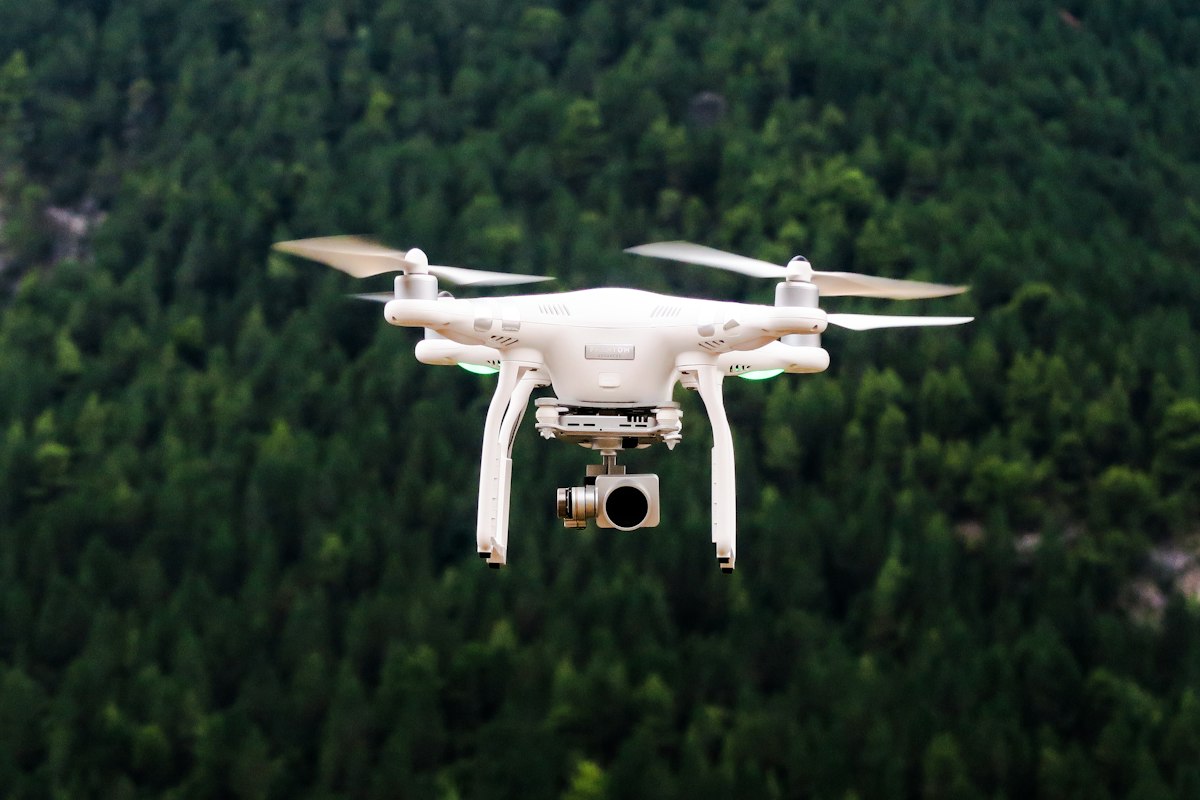
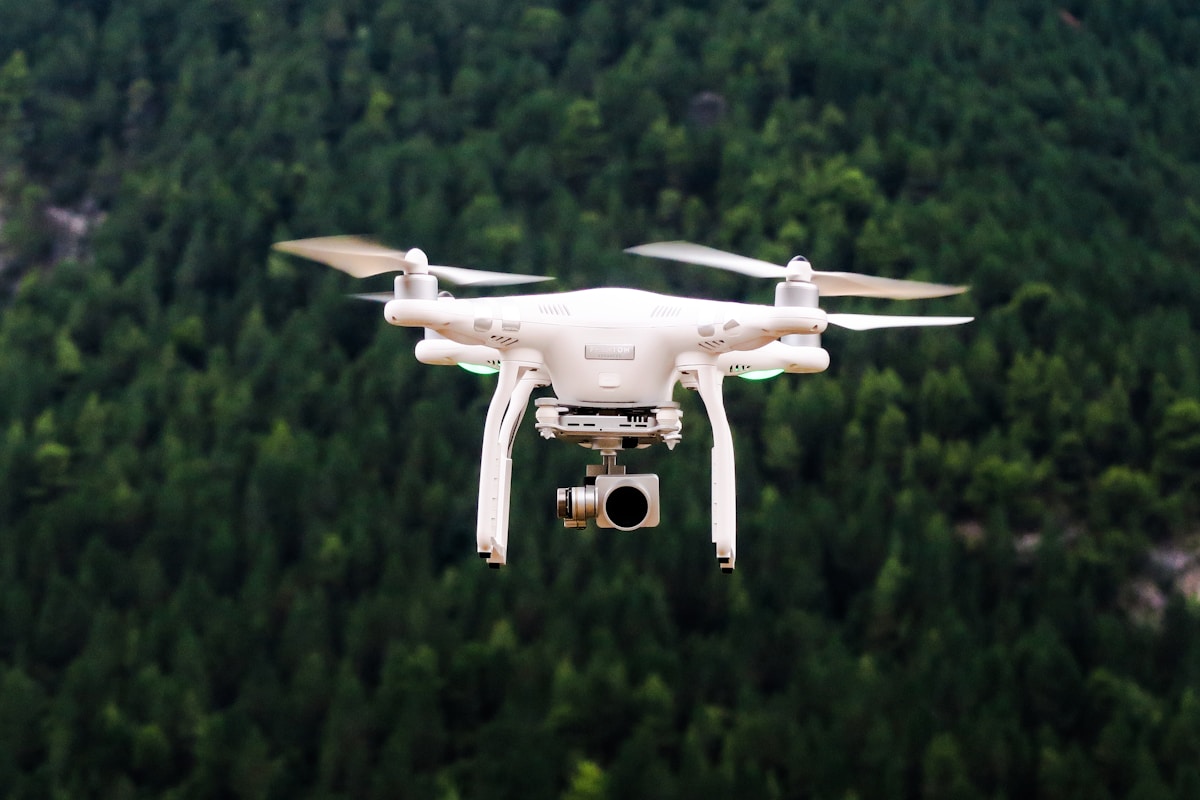
Drone insurance is the subject most recreational pilots ignore until something goes wrong: a crash into a car, a flyaway into a neighbour's roof, or a lost drone that cost $800. Some countries require insurance, some do not, but the real question is whether the risk is worth the premium. This guide explains when you need cover, what it costs, and what it actually protects.
When Insurance Is Required
Several countries require third-party liability insurance for drones over a certain weight, and Germany requires it for all drones. In the EU, the rules vary by country, so check the national authority where you fly. Commercial pilots almost always need insurance, and many clients require proof of cover before they hire you. Recreational pilots in the US are not legally required to hold insurance, but that does not mean the risk disappears.
What Liability Insurance Covers
Third-party liability insurance covers damage your drone causes to other people or their property: a crash into a car, a window, or a person. It does not cover damage to your own drone, which needs separate hull insurance. A typical liability policy covers $1 million in damages and costs $30-75 a year for a recreational pilot, which is cheap protection against a claim that could cost thousands. Check whether the policy covers you abroad, because many do not.
Hull Insurance: Covering Your Drone
Hull insurance covers damage to or loss of your own drone, and it usually costs 5-10% of the drone's value per year. It makes sense for expensive drones and for pilots who fly in risky places, but it is less valuable for cheap drones that cost less than the excess. Some manufacturers offer their own care plans, which cover crashes and water damage with a small excess, and these are often the simplest option for a new drone.
What Insurance Does Not Cover
Most policies exclude commercial use unless you pay for it, flights in restricted airspace, and damage caused by illegal flying. They also exclude wear and tear, and they may not cover flyaways if you cannot prove what happened. Read the exclusions before you buy, because a policy that does not cover your kind of flying is wasted money. Keep your flight logs, because insurers ask for them when you claim.
Do You Need It?
If you fly a cheap drone in open fields, insurance is optional but cheap peace of mind. If you fly an expensive drone, fly near people or property, or fly in a country that requires it, insurance is essential. For commercial work, it is non-negotiable: no client will hire an uninsured pilot. The cost is small, the protection is real, and the one time you need it, you will be glad you have it.
Drone Insurance Claims
Making a drone insurance claim is straightforward if you have the evidence: photos of the damage, the flight log, and the policy number. Most claims are processed in days, not weeks, and the payout covers the repair or replacement. The claims that are rejected are usually the ones where the pilot broke the rules, flew in a no-fly zone, or had no registration. Keep your flight logs, because they are the evidence that proves you flew legally. Insurance is a contract, and the contract is honoured when you hold up your end.
Key Takeaways
- Germany requires liability insurance for all drones; rules vary by country - Liability cover costs $30-75 a year for $1 million of protection - Hull insurance costs 5-10% of the drone's value per year - Commercial pilots need insurance; clients will ask for proof
Frequently Asked Questions
Do I need insurance to fly a drone recreationally? It depends on the country: Germany requires it, the US does not. Even where it is not required, liability cover at $30-75 a year is cheap protection against a costly claim.
Insurance is cheap peace of mind for a flying camera. Check your country's rules, cover liability first, and add hull cover for expensive drones.
More from FreeSky Aerial