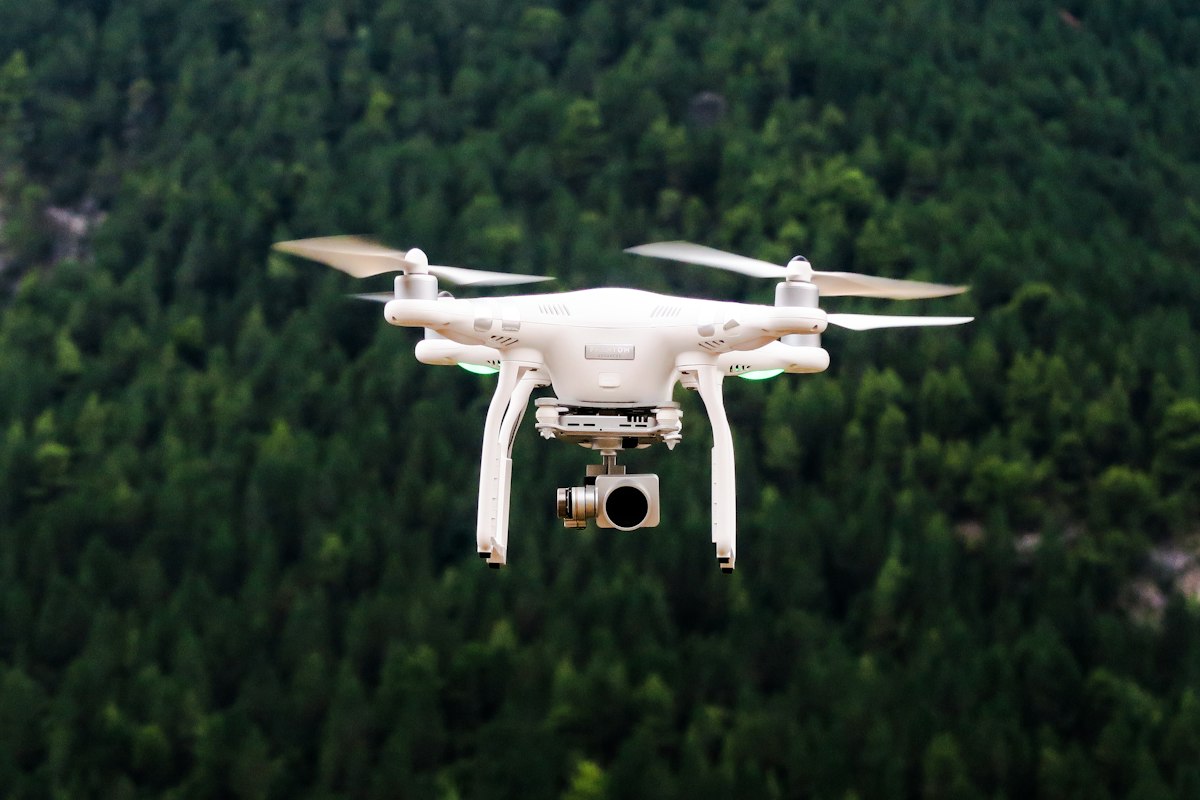
Best Travel Drones Under 250g in 2026: Fly Anywhere, Register Nowhere
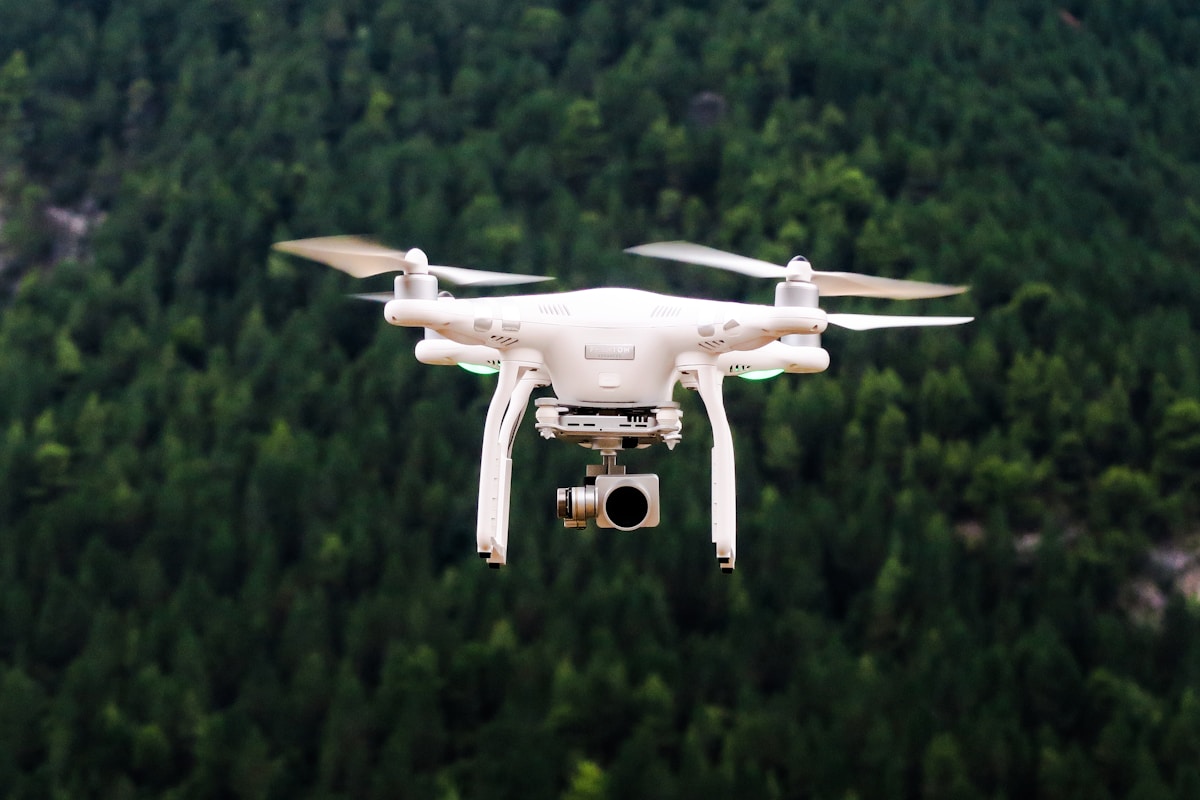
- Primary Signal: Best Travel Drones Under 250g in 2026: Fly Anywhere, Register Nowhere
- Overview: Drones under 250 grams skip FAA registration for recreational use and fit in a jacket pocket. This guide compares the best sub-250g travel drones in 2026 and explains the trade-off...
- Verification: Analyzed and compiled by FreeSky Aerial editorial monitoring desk.
The most useful number in drone travel is 250 grams. Drones under that weight do not require FAA registration for recreational use in the United States, they are exempt from Remote ID when flown recreationally, and they fit in a jacket pocket. In 2026, the sub-250g category has matured from a compromise into a genuine choice: the best small drones shoot 4K video, take 48-megapixel photos, and include obstacle avoidance that was once reserved for drones three times their size and price.
Why 250 grams matters so much
The 250-gram threshold is written into FAA rules: drones above it must be registered for 5 dollars and display a registration number, while drones below it are exempt for recreational flying. The same threshold appears in regulations around the world, including the European Union's drone categories, which makes sub-250g drones the easiest to travel with internationally. The practical benefit is not the 5 dollars — it is the paperwork, the rules and the friction that disappear. A sub-250g drone is the closest thing to a camera you can fly anywhere without thinking about registration.
The best sub-250g drones in 2026
The DJI Mini 4 Pro is the benchmark: 249 grams, 4K/60fps HDR video, 48-megapixel stills, and omnidirectional obstacle avoidance, all in a drone that folds to the size of a phone. The DJI Mini 4K is the budget option, offering the same weight and solid image quality at a much lower price, without the advanced obstacle sensing. The DJI Neo 2, at 135 grams, is the smallest and lightest, designed for quick selfies and follow-me shots rather than serious photography. Each one suits a different traveller: the Mini 4 Pro for serious photography, the Mini 4K for value, and the Neo 2 for portability above all else.
What you give up under 250 grams
Small drones make real compromises. Their cameras use smaller sensors, which means less detail in low light and less dynamic range than a larger drone. Their batteries are smaller, so flight times are shorter — typically 25 to 35 minutes per battery, and often less in wind. And they handle wind worse than heavier drones, which matters on coastlines and mountaintops. The question is whether those compromises matter for your travel photography: for social media, for a travel blog, or for memories, the image quality is more than enough, and the portability is worth more than the sensor size.
Travelling with a drone: the practical rules
Travelling with a drone is easy if you plan ahead. Carry the drone and its batteries in your hand luggage, never in checked baggage, because lithium batteries are restricted in the hold. Check the drone rules of your destination before you travel — many countries have their own registration, no-fly zones and import rules, and some require a permit before you arrive. Download offline maps for the area, charge your batteries before you go, and keep your drone's firmware updated. And remember that the 250-gram exemption applies to recreational flying: if you sell a single photo from your trip, the flight becomes commercial and Part 107 rules apply.
Which sub-250g drone should you buy?
Buy the Mini 4 Pro if photography is the point of your trip and you want the best image quality under 250 grams. Buy the Mini 4K if you want a capable travel drone at the lowest price and you can live without obstacle avoidance. Buy the Neo 2 if you want the smallest possible drone for quick shots and you already have a main camera for serious work. Whichever you choose, add a second battery and a small carrying case — the two accessories that make the biggest difference to how much you actually use the drone. A drone that is easy to carry is a drone that gets flown, and a drone that gets flown is the one that earns its place in your bag.
More from FreeSky Aerial